

Mike McDaniel makes hilarious admission on Chase Claypool trade
Mike McDaniel knows what he has in his Miami Dolphins, but he will certainly welcome Chase Claypool into the fray. He is trolling us again, and we love him for it!
2023-10-08 02:37

How to make sure your phone works when you travel internationally
You've got a brand-new passport and you're ready to finally leave your home country to
2023-07-24 09:28

Reyes hits walkoff grand slam to lead Red Sox to 6-2 win over Royals
Pablo Reyes hit a walkoff grand slam to break a ninth-inning tie and the Boston Red Sox recovered after blowing a two-run lead to beat the Kansas City Royals 6-2
2023-08-08 10:14

Jones, Stewart lead New York to first WNBA Finals in 21 years with 87-84 win over Connecticut
Jonquel Jones scored 25 points, including five in the final minute, and New York earned its first trip to the WNBA Finals in 21 years with an 87-84 win over the Connecticut Sun
2023-10-02 05:27

Spotify Island is coming to Roblox
Spotify has launched its own official area on 'Roblox'.
1970-01-01 08:00

Is TikTok's 'clean girl aesthetic' officially dead?
TikTok is a breeding ground for the next big thing. What was once predominantly a Gen Z dance app has since evolved into a catalogue of lifestyle habits repackaged under quirky names. Single? You’re ‘dating yourself.’ Attend the gym? You’re a ‘health girlie.’ Organised and minimal? You’re living the ‘Clean Girl Aesthetic’. With over a billion views under the hashtag, the Clean Girl Aesthetic has dominated the app for some time now – and it doesn’t seem to be going anywhere soon. It has since adopted other areas of life such as health and mindfulness. So, what is it? For the blissfully unaware, the Clean Girl is a TikTok trend in which everything about someone’s life appears minimal and effortlessly chic. It is portrayed as being low maintenance. A ‘Day in the Life’ generally starts with an early alarm, followed by a smoothie and minimal makeup for a dewy 'no make-up' glow. The Clean Girl Aesthetic has since welcomed Pilates under its wing, often finished with a dash of bedtime journaling for good measure. @mirellagir ???♀️ #morningvlog #morningroutine #selfcare #thatgirlaesthetic #pilates #cleangirlaesthetic #aestheticroutine Sign up for our free Indy100 weekly newsletter While the lifestyle trend is proving popular across social media, some have argued that it isn’t as effortless as what meets the eye. Critics claim it actually takes more time, effort and money with five minute glazed ‘makeup-less’ looks being tied to £500 treatments. The trend isn’t shy of controversy either, being credited to mostly white influencers. Some have highlighted that aspects of the aesthetic (specifically the ‘beauty’ tutorials) have roots in other cultures. That said, it’s always important to understand the origin of trends across TikTok and give credit where due. The trend has since had a face-off with ‘Dirty Girl Aesthetic’, with Julia Fox declaring on EmRata’s High Low podcast: "Clean Girl Aesthetic is out." The model added: "It’s about, Dirty Girl." She went on to elaborate in a candid clip uploaded to her page, raising concerns about the said ‘rules’ of TikTok trends. "Just so you guys know, ageing is fully in. Like, fully. Dirty girl. Ugly. Not wearing clothes that fit your body type. Just fully wearing everything you want," she told her followers. @juliafox Ooooo I know this is gonna make the broke boys mad #OLDISIN Now, if we strip it back to basics, remove the label and the aesthetically pleasing TikToks, the ‘beauty ideals’ and bouji products, we’re left with a handful of seemingly unproblematic healthy habits. But, are they really effective as TikTok hypes them up to be – or are they merely a part of yet another internet fad? I spent the last month finding out. Now, I pride myself on being a morning person so 5am starts can't be that challenging, right? Wrong. The 5am club is a simple concept to understand – but much more difficult to carry out. You essentially rise at the ungodly hour in the name of productivity. During your time of solitude, you complete house chores, read, grab some breakfast and journal before starting the working day. Days 1-3 felt like a novelty and were filled with optimism and drive: journalling away, whipping up smoothies and taking long, hot showers. Then came along days 3-5 and my body was crying out for those additional two extra hours in bed. The 'snooze alarm' was being abused – and by day 7, I officially called it a day. I have full respect for the 5am rise and shiners, and admire that it's some people's bag – but it's a solid no from me. I ended up bored and restless. Not to mention, the constant reminder I could do all of these things at the end of the day with the same level of energy. Sadly, the first week of journalling my feelings, thoughts and emotions were dedicated to bitching about how tired I was from the dreaded iPhone alarm. But, once the two hours sleep were added back into my routine, we were onto a winner. It soon transformed into a mini mental health journey, allowing me to really gauge certain triggers and delve into feelings a lot deeper. One of the most surprising and unexpected finds for me was connecting the dots between sleeping and eating habits, prompting me to experiment with foods that perhaps weren't giving me the best time. It also allowed me to set my intentions for the day and helped me to stay on track with different areas of life, including fitness. Being the forgetful – and sometimes erratic – person I am, it really helped me slow down, unwind and actually remind me to follow through my my 'to do' lists. This brings me to Pilates: The latest fitness trend taking social media by storm – thanks to the likes of Hailey Bieber, Lori Harvey and Kourtney Kardashian. Even Harry Styles has been spotted giving the Reformer machine a go. You'll soon be humbled by what appears slow, effortless movements – as I learnt at The Health Lab. "Celebrity fitness secrets used to be kept under lock and key but now the more you share the bigger your community," Faye Bennett, Health Lab's studio manager and instructor told Indy100. "Pilates does come with a certain aesthetic as it is commonly very clean movements which appeal to the eye (disclaimer: it’s not always like that!)." "It is a sustainable style of fitness that you can ultimately do every day with no harm to joints. It’s low impact and the results are truly visible," Faye continues. "The short answer is, it works." Truth is, Pilates is far from a new concept and has been practiced since the 1920s. German-born Joseph Pilates worked as a circus performer, boxer and self-defence instructor in England in his early years, before serving as an orderly in an Isle of Man hospital where he helped patients unable to walk. He did so by attaching bed springs to hospital beds, later birthing the famous apparatus seen in most Pilates studios today. "I invented all these machines... it resists your movements in just the right way so those inner muscles really have to work against it. That way you can concentrate on movement. You must always do it slowly and smoothly. Then your whole body is in it," he famously once explained. Complete with 10 Reformer machines in an aesthetically-pleasing studio in the heart of Manchester, the Health Lab may look like an Instagrammer's playground – but it's much more than pretty pictures. You will put in work, through low-intensity movements that will leave you aching in places you didn't even think possible. Hand-in-hand with incredible instructors, experts and a passion for Pilates, I soon learnt there was much more to the phenomenon that meets the eye. Being a loyal high-intensity exerciser over the years, I initially couldn't wrap my head around how subtle slow-paced movements could make a difference to my body. I couldn't have been any more wrong. After a month of training 3-4 times a week, I noticed improvements in my posture, strength and flexibility. It also had a surprising effect on my mental health– especially when it comes to anxiety – as it really taught me to prioritise and focus on breathing techniques. "There’s an age old saying that 'you’re only as old as your spine,'" Faye says. "Pilates is both restorative and strengthening. It improves your posture and alignment so that when you do work out you can access those deep layers of muscle in charge of building strength from the inside out." Faye explains that the leaner muscles become, the faster the metabolism and protected joints become. "This means you will be less prone to injuries and generally feel more ease as you move. This comes from increased flexibility and mobility. We focus an awful lot on the core in pilates which gives you the ability to hold yourself taller, which takes pressure away from your spine and releases tension enabling a strong healthy spine. A healthy spine makes you feel younger, more agile and stronger." While Reformer Pilates can initially look and feel daunting, sessions are guided by well-informed instructors who are on hand to offer help and modifications suited to everyone's individual needs. It's pretty easy to grasp after just one session. "Just know, if you are finding that pilates burn or feeling a little bit wobbly, the rest of the class is too so you are never alone no matter what your experience level is," Faye adds. While my Clean Girl month failed in some areas (a girl loves her sleep), Pilates and journalling are two new positive additions I'll be taking forward with me. They've provided both mental and physical benefits, by adding routine, clarity and a clearer, more settled mindset overall. Maybe TikTok is onto something, after all. To find out more information about The Health Lab classes, click here. Have your say in our news democracy. Click the upvote icon at the top of the page to help raise this article through the indy100 rankings.
2023-06-11 22:06

Kainga: Seeds of Civilization Release Date Information
Release date of the new city builder game, Kainga: Seeds of Civilization.
1970-01-01 08:00

Total GivingTuesday donations were flat this year, but 10% fewer people participated in the day
The nonprofit organization GivingTuesday estimates that donors gave $3.1 billion this year on what has become one of the most important fundraising dates for U.S. nonprofits, the Tuesday after Thanksgiving
2023-11-30 09:09

Larger Than Life Master Chief "HALOgram" Seen Worldwide
Paramount+, the global streaming service from Paramount Global, announced a multi-market partnership with DBLTAP parent company Minute Media, Wavemaker and
1970-01-01 08:00
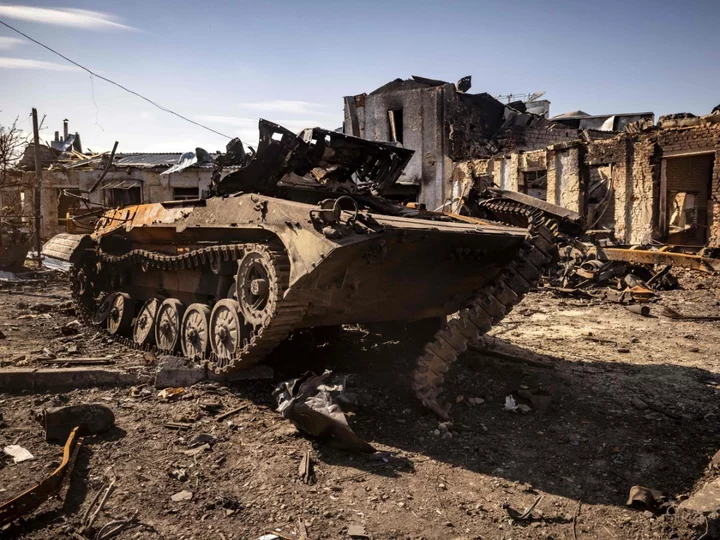
20 miles from the Russian border, one town struggles to move on from bloody occupation by Putin’s forces
Nobody believed the Russians would really invade, says Yuriy Bova, mayor of the small Ukrainian town of Trostyanets, just 20 miles from the Russian border – but 24 February 2022 will forever be etched in his mind. As Russian tanks trundled across the border in the early hours of the morning, there were no Ukrainian troops in Trostyanets – in Ukraine’s eastern Sumy region – and the residents of the town knew the enemy would arrive within hours. Bova says they tried as best they could to slow down the Russian advance. Felling trees onto the roads through the rolling hills and forests surrounding Trostyanets, brought one column of invading vehicles to a halt for two days. However, it wasn't enough. “There weren’t just four or five armoured vehicles, as we had imagined. Instead, there was another column with more than 100 vehicles, including up to 60 tanks and armoured personnel carriers, 20 troop-carrying trucks plus fuel tankers,” Bova says. The Russians rumbled into Trostyanets on the first day of the invasion, beginning a nightmare for the town’s 21,000 inhabitants. I'd heard about the plight of the town a month later, on 27 March – when it was freed from Russian occupation. In the intervening weeks, much of the town was destroyed, 49 of its people were killed and 13 others believed “disappeared” by the occupiers. I was in another area of Ukraine – and knew nobody in Trostyanets – but started to dial numbers I could find. The first person to answer was on a number for the “Hotel Trostyanets". The woman who answered, Tetyana Shevchenko, the hotel’s owner had just returned to her town. I could hear her trying to muffle her sobbing as she told me about how the hotel had been utterly trashed. Everything that could be stolen, such as TVs, fridges and air-conditioners, had been looted, while beds, furniture, even doors had been smashed. However, even while absorbing the destruction at the business she and her husband spent years building, Tetyana said she felt lucky compared to others whose relatives had been killed or homes had been reduced to piles of charred rubble. Such a refusal to surrender to despair is a trait that was to become ever more apparent across Ukraine. I finally managed to visit Trostyanets recently, more than 15 months into a war Moscow appeared sure would only last weeks. Hotel Trostyanets was easy to find on the town’s main street, standing intact as part of a row of burned and battered husks of buildings. The town, founded in 1660, contains onion-domed churches and a fortress enclosed by a stone white-painted wall, built in the mid-18th century. During the occupation, the Russians positioned heavy artillery inside, calculating – correctly – that Ukrainian forces would not target a structure listed as a historic treasure. The building was unscathed by Ukrainian shelling but its walls are peppered with bullet holes from machine-gun fire in a bile-filled farewell by the fleeing Russians. Every street bears some scars. The railway station and shops, restaurants and residential buildings that had fringed a large square and park are a scene of total devastation, with most of the structures blasted beyond redemption. The park is a churned-up mixture of tarmac and soil. Eerily perched at its centre, atop a high concrete pedestal, is a Second World War-era Soviet T-34 tank. One of its treads, hit by shellfire, trails limply. When the Russians arrived, they commandeered the hotel and kicked Tetyana out. She said they immediately set out to inspire terror in the town, whose people were often beaten or detained, without rhyme or reason. Many men were forced to strip at gunpoint and stand on the street throughout freezing nights, she says. “They intimidated people, looted shops. Soon they started rounding people up for torture. They used the basement at our railway station as a torture chamber, where they did whatever they wanted,” Tetyana adds. “They understood that we were frightened of them and they behaved even more arrogantly, they enjoyed it.” Two of her friends, a married couple, were riding bikes when the Russians shot at them without warning, says Tetyana. The woman died but the Russians “wouldn’t let her body be moved for burial and she lay there until the Russians left”. Tetyana is active in local politics and was head of the local election commission. She feared the Russians would eventually come for her and she and her daughter managed to leave in mid-March to western Ukraine. Both their husbands had previously left and were in the Ukrainian military. Tetyana and her husband started repairing their hotel as soon as the Russians left, using their savings – as well as help from the local authorities. She gives a wry smile as she shows a photo of the door of room number six, where a Russian scrawl indicates a Russian commander had stayed. The door will be part of a planned museum about the town’s occupation. The situation on the battlefield is now somewhat different. Ukraine has been pushing a counteroffensive to take other territory occupied by Russia in the south and east, and the border area not far from Trostyanets has become the centre of cross-border incursions by pro-Ukrainian forces. The bulk of these have been carried out by Russian partisans seeking to cause trouble for president Vladimir Putin. The Russian Belograd region, between two and three hours’ drive from Trostyanets into Russian territory, has faced shelling, as well as the raids. But Trostyanets had seen its own version of guerrilla activity during the Russian occupation. The mayor, Bova, relays how it worked. A powerfully-built compact man, Bova was born in Trostyanets and was formerly a businessman. He was first elected as a councillor when he was 24 and has been the town’s mayor for 18 years. British and American intelligence had warned the Ukrainian government that the Russians had prepared detailed lists of people in government, military, police, education, social activists, businesspeople and others they suspected would help organise resistance and who were marked for arrest or execution. Bova says: “I had to decide whether to stay in my office and wait to be arrested and taken away or perhaps killed. That would have been madness. Weapons were in short supply – we had just four machine guns. So we couldn’t fight with that.” He and his comrades established contact with the Ukrainian 81st Brigade operating in the area and they asked his people to provide intelligence on what was going on inside Trostyanets. “They said that would be much more valuable than any fight we could have put up at that time,” says Bova, who became commander of Trostyanets’s territorial volunteer forces. Some of the Ukrainian partisans stayed inside the town while Bova and others operated from bases in forests close to Trostyanets, gathering detailed information about the Russian forces – including where they ate and slept and where their heavy weapons and armoured vehicles were at any time. They also helped guide Ukrainian artillery firing at Russian positions. Ukrainian intelligence believes one of the first of the many Russian generals to be killed during this invasion died in Trostyanets. Bova secretly visited the town twice to show the partisans he was close by and boost morale. On 21 March last year, they and Ukrainian regular forces launched an attack on the occupying forces in an attempt to liberate the town. But after a fierce firefight they had to withdraw. Bova says quite a few Russians were killed but so was one of the partisans. However, Ukrainian forces were encroaching on the town and the demoralised Russians, fearing being surrounded, fled on the night of 27 March across the border into Russia. Bova speaks to me inside his office at the town’s main administration building which, he says, like other public and community buildings in the town, had been looted and wrecked by the Russians. “The Russians smashed and destroyed everything. Three days before they left they fired some 30 tank shells into our main hospital... They also deliberately destroyed residential buildings. It was pure malice.” Bova suspects the 13 “disappeared” people were among those tortured beneath the railway station. Two prisoners were found alive in the basements as the Russians fled. They told of victims who bled to death after their fingers were cut off. Anguish flickers across Bova’s face as he recalls how the first thing the torturers demanded while beating their captives was his whereabouts. Since the town was liberated, Bova says he has worked tirelessly to rebuild Trostyanets. Electricity, water and heating systems were destroyed or ripped out. The town’s firefighting vehicles, ambulances, buses and any movable equipment was stolen. He said the Russians took even basic toolkits and wrecked what they could not take. He says all the tasks had to be performed in parallel – a huge logistical puzzle – and Bova reached out to and has been contacted by 130 organisations and groups around the world eager to help rebuild Trostyanets. In addition, scores of individuals have helped, many turning up unannounced to donate funds or supplies or roll up their sleeves to assist. He says everything from food, clothing and medicines to hospital apparatus, emergency vehicles and buses needed to be replaced “to return some semblance of normality”. “Today there are no homeless people in Trostyanets living under a tree,” he says. “Everyone has some roof over their heads.” But the tension never really leaves. The enemy is never out of reach, being so close to the border. Bova has a vision to rebuild Trostyanets using innovative designs from around the globe – taking into consideration factors such as the needs of elderly or disabled people and employing energy efficient and green technologies kind to the environment. “We know that we can’t invent everything ourselves when searching for new concepts,” he says. Therefore, he believes, to rebuild their country, Ukrainians need to forge partnerships with groups and individuals around the world to learn their approaches on incorporating culture, education parks and recreation into town planning. To that end he has traveled to the US, where among other projects he is seeking to adapt for Trostyanets “a new philosophy of park design” being developed by the city of Chattanooga in Tennessee. And last month he was in London for “The Ukraine Recovery Conference 2023” which was co-hosted by the UK and Ukraine and aimed at ensuring Ukraine can come back stronger from the devastation it has faced. Bova believes rebuilding Ukraine must begin even before the fighting is over. “We’ve mastered swiftly the technology of the new [Western] weapons we’ve been given. This is a people who didn’t break despite the horrors inflicted by the Russians and our nation is capable of swiftly mastering the technologies and ideas to rebuild our country.” He says so many people have died to ensure Ukraine survives and that it is “a duty to make every one of those sacrifices count – by building a new future they would be proud of and not recreating the past.” Read More The Body in the Woods | An Independent TV Original Documentary The harrowing discovery at centre of The Independent’s new documentary Sunak ‘discourages’ cluster bomb use after Biden agrees to send them to Ukraine Thousands march in Bosnia to mark 1995 Srebrenica genocide as ethnic tensions linger on Ukraine's president hails the country's soldiers from a Black Sea island to mark 500 days of war
2023-07-08 20:52
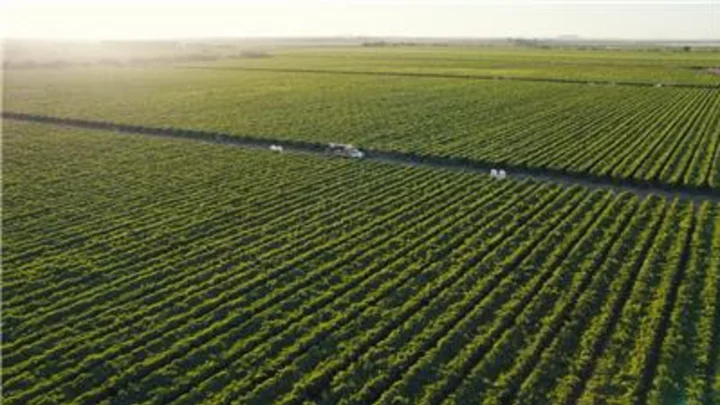
Majority of Produce Stakeholders Say Weather Unpredictability and Input Costs are Negatively Impacting Business Worse Than Last Year
LOS ANGELES--(BUSINESS WIRE)--Oct 16, 2023--
2023-10-16 20:02

Greece’s Eurobank Plans to Expand Overseas Wealth Management
Eurobank Ergasias Service and Holdings SA plans to expand its activities to new markets including Saudi Arabia, Dubai,
2023-07-07 14:00
You Might Like...
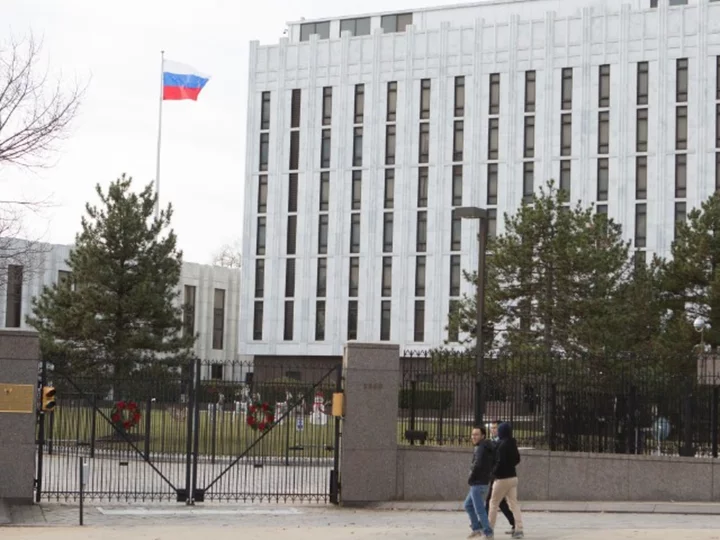
US expels 2 Russian diplomats after Moscow expelled American diplomats last month
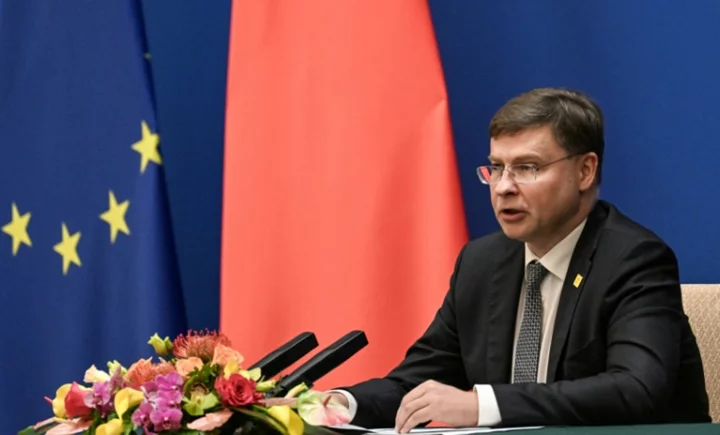
EU trade chief warns China data laws could have 'unintended consequences'
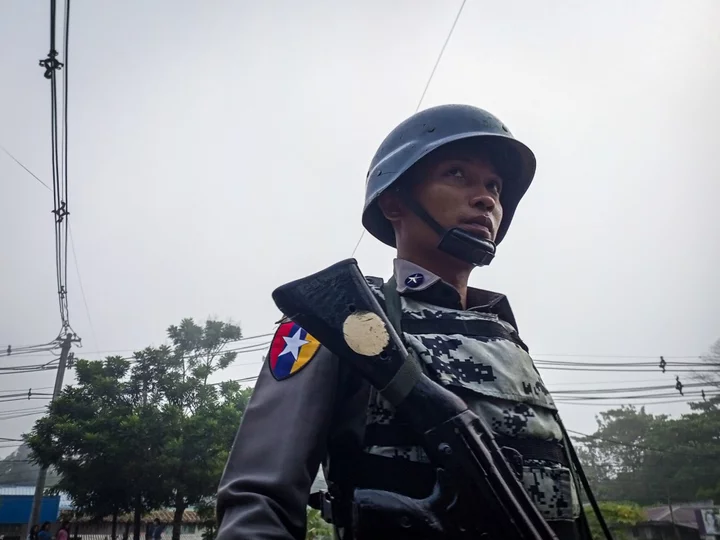
Myanmar Junta Extends State of Emergency, Delaying Election Plan
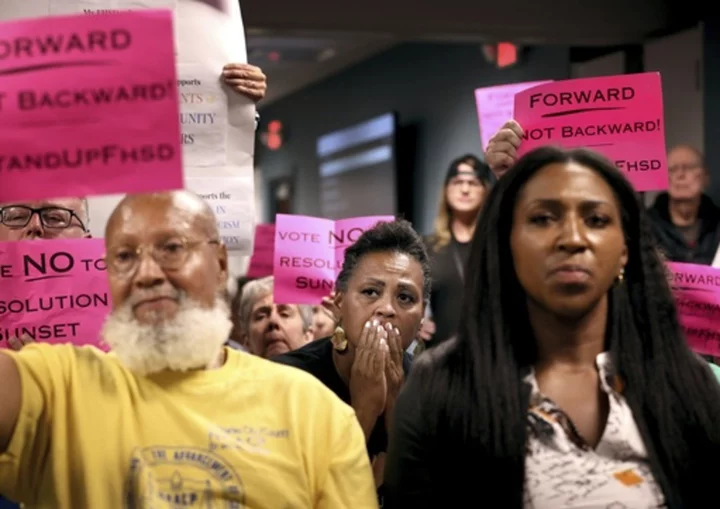
School board in Missouri, now controlled by conservatives, revokes anti-racism resolution
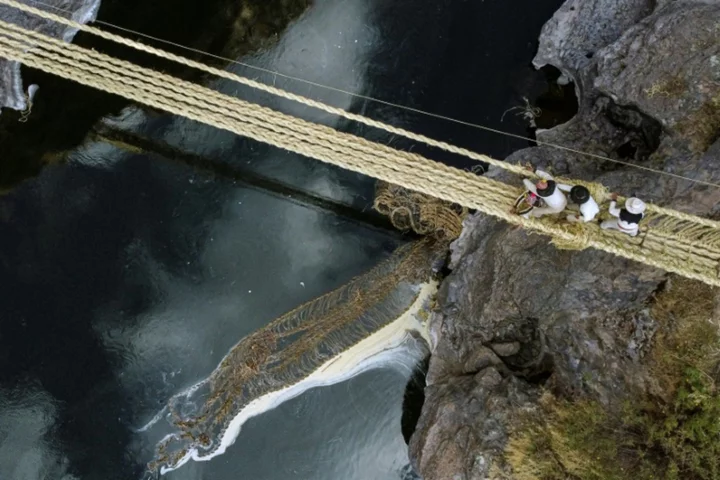
Gravity-defying: revamping an Inca rope suspension bridge
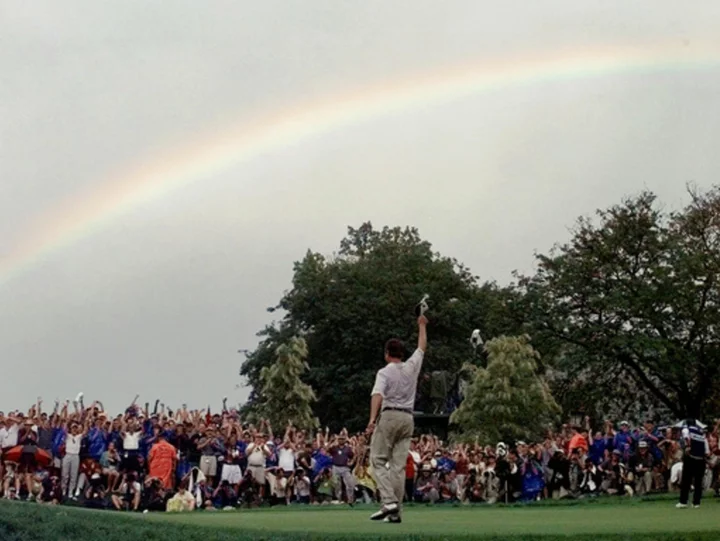
Associated Press photographer Elise Amendola, who documented decades of sports and news, dies at 70

The stark warning behind the global heat map that has gone viral amid 'hell on Earth'
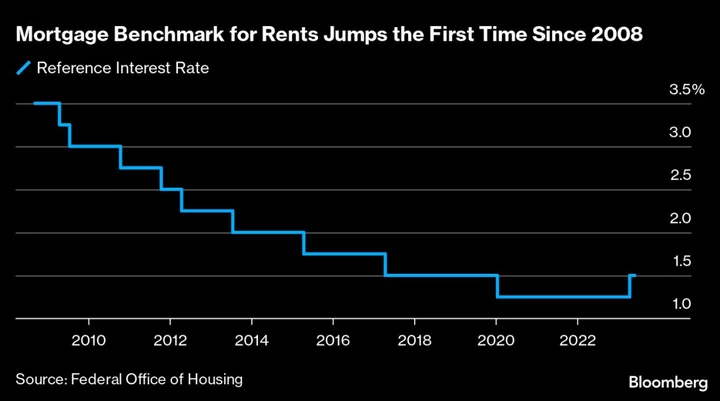
Swiss Face Rent Hikes With First Mortgage Gauge Jump in 15 Years