

5 bold predictions for the 2023-24 ACC Men’s Basketball season
The ACC Men’s Basketball season is set to be bold and exciting in 2023-24. Get ready for predictions, player performances, and potential upsets for Duke, UNC, Miami, Louisville and more.
2023-10-24 00:35

Sophia Strahan returns to social media with sweet snap as dad Michael Strahan's absence from 'GMA' continues
Michael Strahan has been missing from social media and 'GMA' for nearly two weeks sparking fan concerns
2023-11-11 15:17
Study finds ‘deepfakes’ from Ukraine war undermining trust in conflict footage
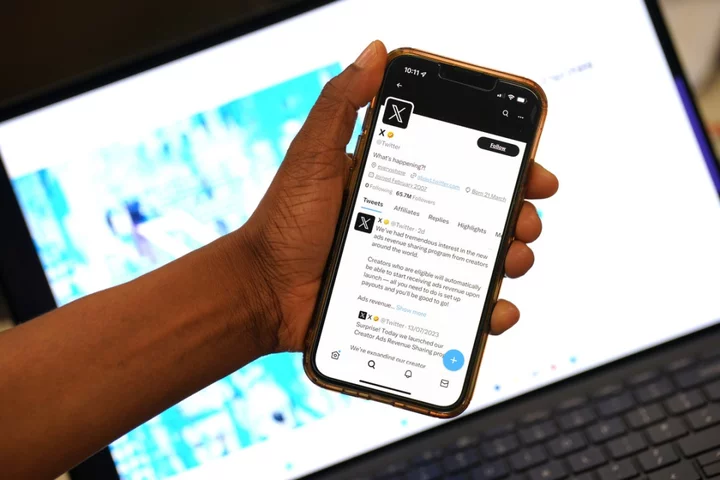
A first ever study of wartime “deepfake” videos has found the fake content undermined viewers’ trust in conflict footage to the point they became critical of all footage coming from warzones. The study, from researchers at University College Cork (UCC), is also the first of its kind to find evidence of online conspiracy theories which incorporate deepfakes. Deepfakes are artificially manipulated audio-visual material. Most deepfake videos involve the production of a fake “face” constructed by Artificial Intelligence, that is merged with an authentic video, in order to create a video of an event that never really took place. Although fake, they can look convincing and are often produced to imitate or mimic an individual. The study, titled A new type of weapon in the propaganda war, analysed close to 5,000 tweets on X (formerly Twitter) in the first seven months of 2022 to explore how people react to deepfake content online. The Russia-Ukraine war presented as the first real-life example of deepfakes being used in warfare. The researchers highlight examples of deepfake videos during this war including the use of video game footage as evidence of the urban myth fighter pilot “The Ghost of Kyiv”, and a deepfake of Russian president Vladimir Putin, showing the Russian president announcing peace with Ukraine. The study found deepfakes often undermined users’ trust in the footage they were receiving from the conflict to the point where they lost trust in any footage viewed. As well as the threat coming from the fake content itself, researchers found genuine media contact was being labelled as deepfakes. The study showed that the lack of social media literacy led to significant misunderstandings of what constitutes a deepfake, however, the study also demonstrated that efforts to raise awareness around deepfakes may undermine trust in legitimate videos. Therefore, the study asserts, news media and governmental agencies need to weigh the benefits of educational deepfakes and pre-bunking against the risks of undermining truth. John Twomey, UCC researcher, said much of the misinformation analysed in the study “surprisingly came from the labelling of real media as deepfakes”. “Novel findings about deepfake scepticism also emerged, including a connection between deepfakes fuelling conspiratorial beliefs and unhealthy scepticism,” he said. “The evidence in this study shows that efforts to raise awareness around deepfakes may undermine our trust in legitimate videos. “With the prevalence of deepfakes online, this will cause increasing challenges for news media companies who should be careful in how they label suspected deepfakes in case they cause suspicion around real media.” Mr Twomey added: “News coverage of deepfakes needs to focus on educating people on what deepfakes are, what their potential is, and both what their current capabilities are and how they will evolve in the coming years”. Dr Conor Linehan, from UCC’s School of Applied Psychology, said researchers “have long feared that deepfakes have the potential to undermine truth”. “Deepfake videos could undermine what we know to be true when fake videos are believed to be authentic and vice versa,” he said. This study is part of broader work by UCC’s School of Applied Psychology examining the psychological impact of deepfakes. Read More More than 500 potential cyber attacks logged every second, BT says AI being used to create child abuse imagery, watchdog warns ChatGPT and other chatbots ‘can be tricked into making code for cyber attacks’ Tinder adds Matchmaker feature to let friends recommend potential dates Google and Meta withdraw from upcoming Web Summit ‘Game-changing’ facial recognition technology catches prolific shoplifters
2023-10-26 02:13

Canada’s Economy Sheds Jobs But Wage Growth Stays High
Canada’s economy unexpectedly shed jobs last month, signaling a softening labor market at the beginning of the second
2023-08-04 21:03
9 actually useful things you can do to support teens this exam season
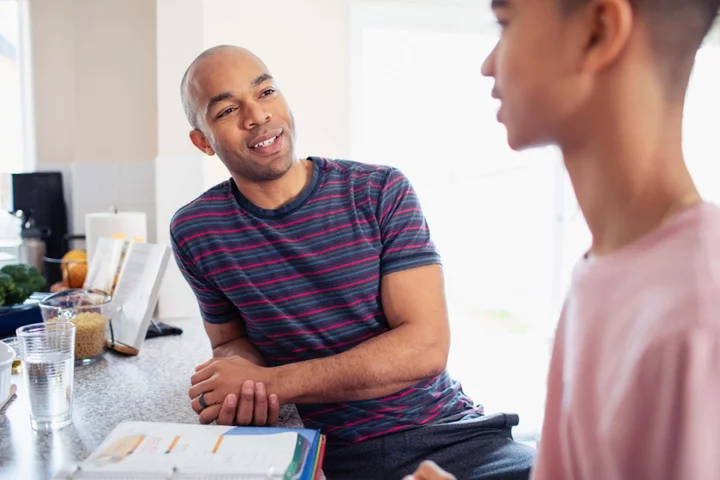
Exam season is underway, and many teenagers might be feeling overwhelmed about the important tests they’re facing over the next few months. “Sitting exams is often one of the most overwhelming and high pressure experiences teens face, and students often put immense pressure on themselves,” says Lara McIvor, a revision expert at Save My Exams. “For parents with children taking exams, it can be difficult to know how best to support their child without being too involved or under-supportive. “As parents and teachers, it should be our mission to ensure students have access to clear support systems, coping mechanisms and study techniques over these challenging few months, and we should all be better educated in the warning signs of stress in teens.” And Matt Buttery, CEO of the Triple P Positive Parenting Programme, adds: “This can be a stressful time, but the good news is that parents can support young people and help remove some of the pressure around exam season. By setting a positive example and encouraging them, you can help ensure they remain happy and healthy, as well as reach their full academic potential.” So what can parents and carers do to actually make the whole exam experience better for teens? 1. Encourage them to chat with you Encourage open communication, and if your teen seems stressed, ask if they’d like to talk through revision together, or more broadly discuss their concerns, suggests Buttery. “It’s important your child knows you’re there for them if they need you,” he stresses. 2. Set up a quiet study area Ensuring your child has an optimum place to study without distractions is vital to their success, McIvor says. “Often concentration can wane, so making sure there are limited external distractions – such as loud music or TV – will allow for the best results and prepare them for their silent exams,” she says. 3. Don’t just rush to make them feel better It’s vital to acknowledge what teenagers are feeling, rather than just trying to make it go away, stresses psychologist Dr Audrey Tang. “One of the most important things anyone can do is validate their right to feel as they do,” she explains. “We’re not very good at sitting with anxiety and often rush to try and make it go away or to feel better, and this can lead us to quick fixes which can include unhealthy behaviour choices such as not bothering to try, often led by unhealthy thoughts like ‘If I don’t try, I can’t fail’.” 4. Help teenagers unpack their feelings Encourage teens to analyse or unpack how they’re feeling about their exams and revision, advises Tang. “If we take a moment to respect our feelings, and try to unpack exactly what we’re worrying about, we may be able to work out what we need to do next,” she explains. For example, is your teen’s anxiety caused by them not understanding some things, and if it is, which specific bits are causing the problem? Or is it linked to knowing their parents are stressed and not wanting to add to it, and if that’s the case, are other services available? “When we begin to unpack our feelings, rather than suppress or deny them, we have a better idea of what action is going to help us the most,” Tang explains. 5. Help with visual prompts Creating an ongoing learning environment throughout the exam period is key, says McIvor. She suggests sticking notes with key quotes, equations, etc on them around the house in places where your child can always see them. “This can be really useful for some students as it allows for constant exposure to materials,” she explains. 6. Avoid ‘toxic positivity’ If a teenager says things like, ‘I’m so stupid’, or ‘I’m rubbish at everything’, it’s natural for parents to tell them they’re brilliant, observes Tang. “Unfortunately, this has the effect of not validating those emotions, and the opportunity to understand what they’re trying to say is lost,” she explains. “A better way to navigate that discussion would be to acknowledge the feeling with something like ‘I’m really sorry you’re feeling that way’, and asking for more information.” 7. Be a good role model Role modelling healthy ways to manage your own anxiety is hugely important, stresses Tang. “Why would you expect a young adult to listen to you if you aren’t showing in your own practice that what you’re suggesting works?” she asks. And Buttery advises parents to lead by example by staying positive and calm when talking about exams. “Avoid using phrases such as, ‘You must be nervous’,” he says, “As you may risk accidentally making an otherwise calm child more stressed. Children learn a great deal about how to manage their behaviour and deal with difficult situations from their parents. By demonstrating calm and resilient behaviour, parents can have a positive influence on their children’s ability to cope with adversity.” 8. Try stressbusting techniques together Tang suggests practising self-care or stressbusting techniques together, such as affirmations with deep breathing. One technique, she says, is to get your child to note down everything they need to do and its relative importance on a pie chart, where the size of the slice shows the importance of the activity. Then ask them to draw on a scale of zero in the centre, to 10 on the outside, where they are in each segment. “This gives them a visual representation of what they need to do, and where they are, as well as an indication of the areas they’re neglecting, and how important those areas are,” she says. “By having everything on one pie chart, it might feel a lot more manageable.” 9. Maintain the family routine Ensuring family dinners and other rituals remain part of daily life can help teenagers cope with exam stress, as routine is predictable and reassuring at a time of pressure and uncertainty. Maintaining structure can also help your child plan their downtime, stresses Buttery, who adds: “It’s important to ensure they’re taking time to relax and unwind, whether by watching their favourite TV show, playing a game, or hanging out with friends.” Read More Charity boss speaks out over ‘traumatic’ encounter with royal aide Ukraine war’s heaviest fight rages in east - follow live Children In Need removes Pudsey’s bandana to show not all challenges are visible Is your child too anxious to go to school? What’s the link between the menopause and anxiety?
1970-01-01 08:00

New Twitter CEO says she is excited to help to transform Twitter
Newly appointed Twitter CEO Linda Yaccarino said in a tweet on Saturday that she has been inspired by
1970-01-01 08:00

Timbaland, Justin Timberlake and Nelly Furtado dropping new collaboration next week
Timbaland is dropping his first collaboration with Justin Timberlake and Nelly Furtado in 16 years.
2023-08-24 19:00

The best eBay Plus Weekend Australia deals – Live now
eBay Australia's biggest sales event of the year, the eBay Plus Weekend, has kicked off,
2023-05-25 08:00

MrBeast surprises fans with unpredictable finale in latest video: 'Every Country On Earth Fights For $250,000!'
MrBeast gathered participants from all over the world for his new video
2023-08-20 15:50

TSX falters at open as financials, materials drag
Canada's main stock index lagged at open on Thursday, hurt by losses in materials and financials stocks as
2023-08-03 21:45

Brandi Ascione Joins Underscore Marketing as EVP, Managing Director
NEW YORK--(BUSINESS WIRE)--Jul 18, 2023--
2023-07-18 22:16

Woke up to sounds of explosion: UK doctor in Gaza
British doctor Abdul Qadir Hammad was in Gaza a day before Hamas launched its deadly attack on Israel.
2023-10-10 14:10
You Might Like...

Warzone Faces Cheating Epidemic After Season 5 Update

West Ham walk off pitch after alleged racial abuse in seven-a-side tournament

Bryan Kohberger: Internet backs prosecution's move to seek death penalty for Idaho murder suspect, says 'he deserves it'
China's AgBank posts 3.48% rise in first-half profit

US sanctions deputy leader of Sudanese paramilitary force over human rights abuses

Canady's 1-hitter leads Stanford past Washington, into Women's College World Series semifinals

Collier and McBride lead Lynx to a 90-81 win over Wings, tightening playoff race

Exclusive-IAEA chief Grossi hints at discord among Fukushima report experts