
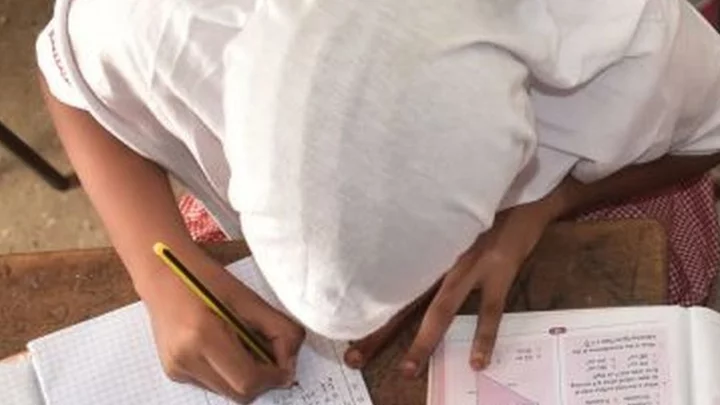
Kenyan publisher recalls book after uproar over Prophet Muhammad image
Muslims complained it was blasphemous to ask students to colour in a picture of the Islamic prophet.
1970-01-01 08:00
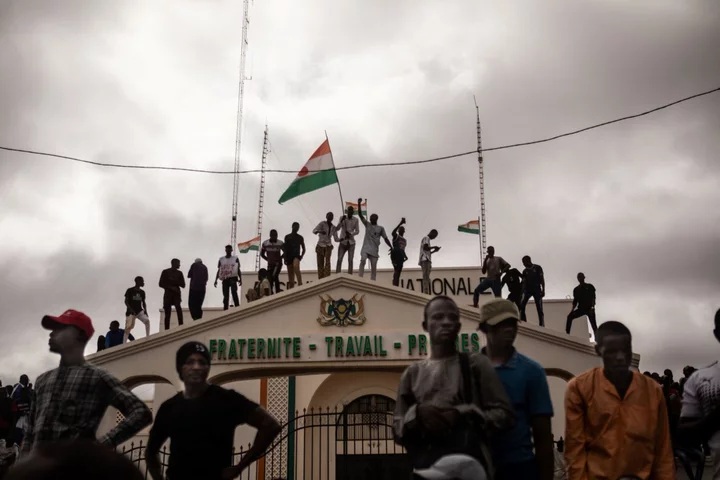
US Suspends Niger Aid After Coup While Keeping Military Presence
The US formally designated Niger’s military uprising a coup — a move that will halt counter-terrorism cooperation and
1970-01-01 08:00

World Bank’s New Chief Says Institution Must Be Bigger, Better
Ajay Banga, the World Bank’s new president, said the lender must become bigger as well as better at
1970-01-01 08:00

'They're wonderful together': Ocean's prequel producer Josey McNamara excited for Margot Robbie and Ryan Gosling reunion
Film producer Josey McNamara is looking forward to 'Barbie' stars Margot Robbie and Ryan Gosling reuniting on the 'Ocean's' prequel movie.
1970-01-01 08:00
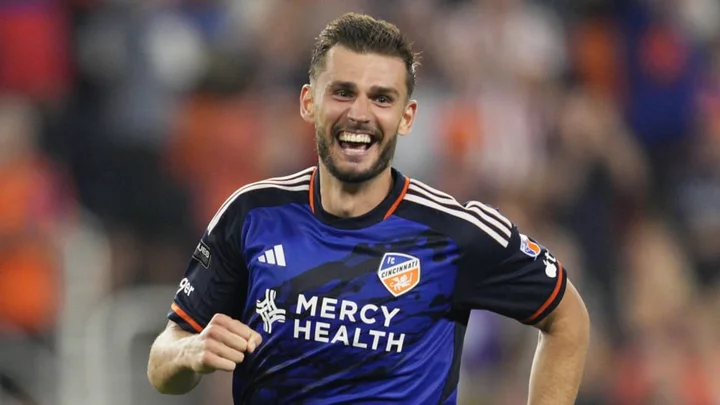
Matt Miazga admits FC Cincinnati wanted Inter Miami revenge
Matt Miazga admits revenge was on the mind of FC Cincinnati's players ahead of their 1-0 win over Inter Miami on Sunday.
1970-01-01 08:00
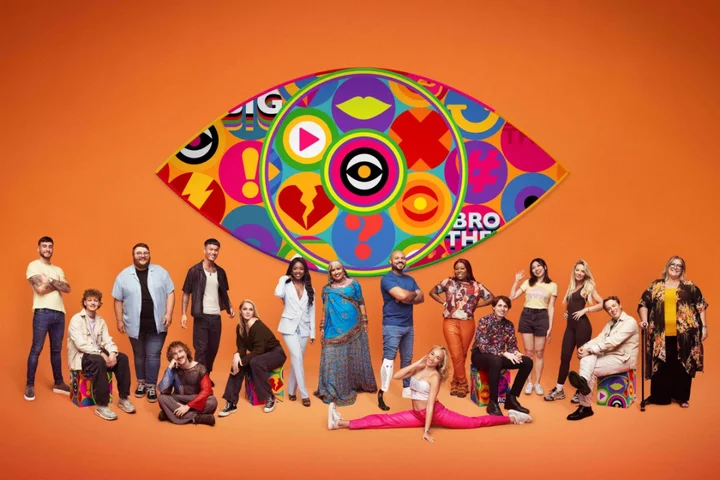
The psychology of Big Brother: How to survive in the house
Big Brother has returned to British TV for the first time in five years. Hosted by AJ Odudu and Will Best, the ITV reality show has kicked off with 16 housemates living together in a custom-built home without access to the outside world – all in a bid to win £100,000. Since Big Brother first aired on Channel 4 in 2000, it’s become known as the ultimate social experiment. Here are a few tips from psychologists on how the new contestants can survive being cooped up in a house with a group of strangers, under the continuous monitoring of Big Brother… The psychology of Big Brother For Dr Rachael Molitor, a psychologist and lecturer at Coventry University, the psychology behind Big Brother involves “the intricate interplay of 24/7 surveillance on human behaviour, participant isolation from the outside world, and psychological challenges around newly formed and integral social friendships and group dynamics”. Although it may be deemed similar to other TV programmes, such as Love Island or The Traitors, where contestants also live together in a new home, Big Brother is different. “It has a unique stance, in that the contestants are not a cookie cutter of a particular type of person needed for the show’s storyline,” Molitor said. “With Love Island and My Mum Your Dad, the contestants needed to be single and of a certain age or criteria. With Big Brother, we can see a number of varying contestants, all with different backgrounds and personalities.” However, Molitor notes that Big Brother is “less of a psychological observational experiment” and “more of a TV entertainment viewing opportunity – and edited as such”. She said: “The environment provides a rich opportunity for the study of human behaviour, social dynamics, and the psychological effects of living in a controlled, highly competitive and monitored setting.” How can contestants survive in the Big Brother house? For Molitor, the key to survival is for contestants to be themselves. “Due to the length of time contestants will be on the show, it’s important to build strong genuine relationships. Effective communication supports the positive experience of all housemates,” Molitor added. Dr Sarita Robinson, associate dean of psychology and humanities at the University of Central Lancashire (UCLan) agrees, and said: “Like with any group of people in an enclosed space, inter-group conflict is likely to occur. “Rather than reacting immediately to something that has annoyed you, it is best to walk away and wait for 15 minutes. It’s amazing how a little bit of time can take the heat out of a situation for the contestants.” How can they protect their mental health? Taking care of your mental health isn’t always the easiest thing to do on a reality TV show, Robinson suggested. “Due to social evaluative stress that relates to what people think of us, this can have a marked impact on our physiological stress levels if we think people are making negative judgements about us.” But things have changed since the show first aired. “With the new care of duty plan, contestants can ask for help when needed and get mental health and wellbeing support prior to, during and after the show has ended,” Molitor said. Whilst in the house, there are a few “small health-enhancing behaviours” contestants can do. These include “getting enough sleep, exercise and healthy eating to support their health and wellbeing throughout”, Molitor advised. Robinson also warned against behaviours that might impact your state of mind. “If people start to stress their brains by drinking alcohol, having poor quality sleep, restricting their food intake or changing their normal use of things like nicotine, caffeine or medication like antidepressants, it can have an impact on the brain,” Robinson said. “For example, if you don’t get a good night’s sleep your brain will struggle to work as well as it usually does, which can cause problems with emotion regulation. The knock-on effect of this might make you more likely to be grumpy and have a row with someone.” Big Brother airs nightly on ITV2 and ITVX, excluding Saturdays. Read More How to support someone coming out in their 30s and beyond Israel-Hamas conflict: How to talk to teenagers about distressing news stories Autumn décor ideas for a seasonal refresh Why you shouldn’t tidy your garden too much in autumn World Mental Health Day: 5 ways to beat anxiety and change your life Alternative veg to grow for next season
1970-01-01 08:00

PGMOL chief reveals how referees will avoid Luis Diaz blunder in the future
PGMOL chief Howard Webb reveals how Premier League referees will avoid blunders similar to Luis Diaz's disallowed goal at Tottenham in the future.
1970-01-01 08:00
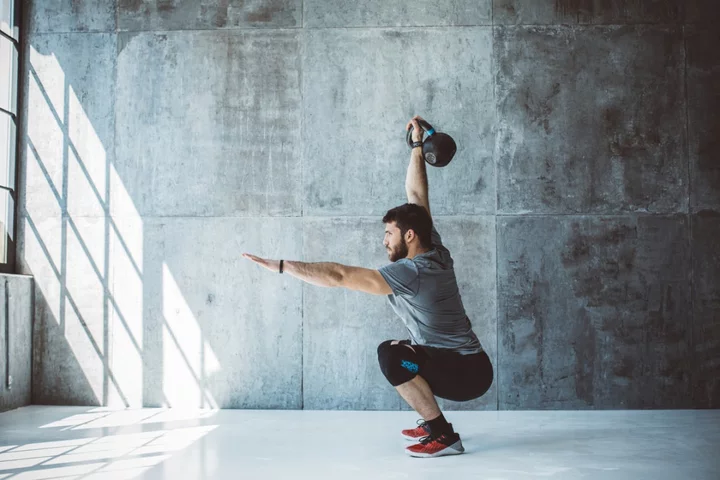
Sports culture is ‘intimidating’ and putting people off working out, study finds
Intimidating sports culture is putting millions off working out – as many are feeling alienated by the exercise industry. A poll of 2,000 adults who don’t exercise found 68 per cent feel too embarrassed to go to the gym because they don’t fit the mould of the “typical” gym goer. More than three-quarters (78 per cent) don’t find sports adverts motivating and 33 per cent say adverts actually put them off working out. However, 55 per cent would be more likely to exercise if they saw everyday people in sports adverts. And 20 per cent would be more inspired to do something active if there were more realistic expectations set by the industry. A further 29 per cent say sports brands aren’t relatable to them, and a quarter think exercise culture is intimidating. While 49 per cent wish they had more confidence to exercise. The research was commissioned by ASICS as part of its ‘New Personal Best’ campaign, which is calling out performance-obsessed exercise culture in partnership with mental health charity Mind. Gary Raucher, European vice president for the sportswear brand, said: “The sports industry has been telling us for years that the only thing that matters is a faster time, a longer distance, a higher score, and more reps. “Although it’s aimed at motivating people, our research shows it’s having the reverse effect and instead creates an intimidating culture that’s putting people off exercise – something we’re committed to change.” As part of the research, survey respondents were shown a series of marketing images from sportswear and athletic brands and asked to comment on how the pictures made them feel. Just over one in 10 (12 per cent) said the images made them feel ‘inferior’, 13 per cent felt intimidated and for seven per cent, the images even made them feel depressed. It was found 16 per cent typically come across these types of images on social media, with 42 per cent admitting seeing boastful exercise posts makes them feel like a failure – even before they’ve started exercising. Hayley Jarvis, head of physical activity at Mind, added: “For people who don’t exercise, taking that first step can be daunting, especially if they’re also experiencing a mental health problem. “When you add the pressure of performance so often seen in sports marketing or on social media, for some it can feel impossible to get started as they don’t feel like they’re ‘good enough’. “Getting active can play a vital role in helping us stay and live well with mental health problems.” The survey, which was conducted via OnePoll.com, also found 23 per cent of non-exercisers feel too embarrassed to start now, and nearly one in five (18 per cent) worry people would judge them as they are too unfit. Over three quarters (77 per cent) admitted they are aware of the mental health benefits of exercise. But despite 61 per cent saying they have either personally experienced a mental health problem or know someone who has, it is still not motivation enough to get them moving. Mental health activist and TV personality Dr Alex George, who is supporting the ASICS campaign, said: “As someone who is passionate about the benefits of exercise on mental health, it’s upsetting but unsurprising that people feel excluded and alienated by the sports industry. “I too have felt intimidated and insecure after comparing my performance and results to others. “People need to know that regardless of the type of exercise they do, or the times or distances they achieve, any movement benefits mental health and is something that should be celebrated.” The ‘New Personal Best’ campaign features everyday people and is encouraging them to share their own ‘personal best’ images on social media using the hashtag #NewPersonalBest on World Mental Health Day, 10th October. One of which is Tom Durnin, whose inspirational story caught the sports brand’s attention when he finished in last place at the London Marathon 2023. He said: “For me, it was all about crossing that finish line no matter how long it took me. I run purely because it makes me feel good, I don’t worry about my time or being the slowest. “I never thought I’d ever be the face of a sports campaign but I’m honoured to be partnering with ASICS to encourage more people to move for their mental health. “If my story can inspire at least one person to take the first step that’s all I could ask for.” Read More Brits reveal advice they would give their younger selves - including investing in property Girls in UK have much lower confidence than male peers, study finds Average person completes 90 online tasks a day Israel-Hamas conflict: How to talk to teenagers about distressing news stories How to get rid of bedbugs: Signs and symptoms amid threat of UK invasion How to support someone coming out in their 30s and beyond
1970-01-01 08:00

China wants to be a peace broker in the Middle East. How has it responded to the Israel-Gaza war?
When Palestinian President Mahmoud Abbas visited Beijing in June, China vowed to contribute "Chinese wisdom, Chinese strength" to resolve the long-standing conflict between the Palestinians and Israel.
1970-01-01 08:00

Embattled Swedish Landlord SBB Falls After Goldman Slashes Price Target
SBB, the landlord at the center of Sweden’s property crisis, fell as much as 10.2% in Stockholm after
1970-01-01 08:00
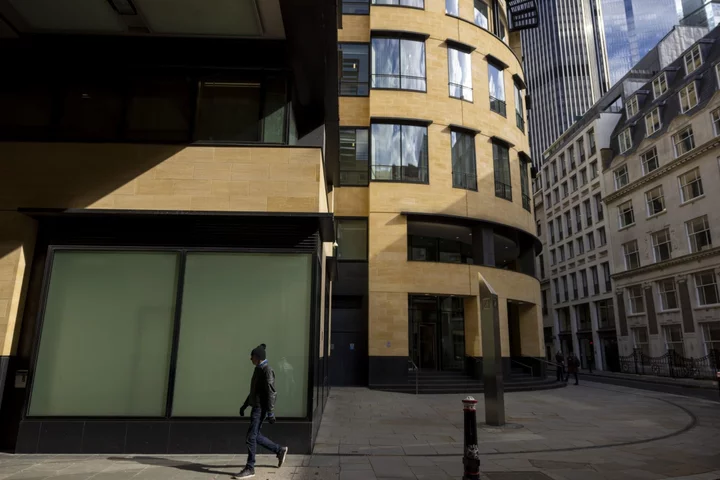
Lehman Brothers’ US Parent Fights Deutsche Bank Over UK Cash
Deutsche Bank AG squared off against the US parent company of Lehman Brothers in a London court this
1970-01-01 08:00

Former Hamas chief calls for protests, neighbours to join war against Israel
DOHA Former Hamas chief Khaled Meshaal called for protests across the Muslim world on Friday in support of
1970-01-01 08:00