

What is ALS and what are the causes?
Sandra Bullock’s longterm partner Bryan Randall has died at the age of 57 after a three-year battle with amyotrophic lateral sclerosis (ASL). His family shared a statement confirming that Randall “passed away peacefully” on Saturday (5 August), adding that he “chose early to keep his journey with ALS private and those of us who cared for him did our best to honour his request”. The statement, sent to People magzine, continued: “We are immensely grateful to the tireless doctors who navigated the landscape of this illness with us and to the astounding nurses who became our roommates, often sacrificing their own families to be with ours.” Bullock and Randall first met in 2015 and made their first public appearance together the following year. The model-turned-photographer’s family has asked for donations to be made to the ALS Association and the Massachusetts General Hospital. ALS affects nerve cells in the brain and spinal cord, its name coming from the Greek and referring to a wasting away of the muscles responsible for controlling voluntary movement caused by a lack of nourishment, the fault of a genetic mutation. As the ALS Association explains: “Motor neurons reach from the brain to the spinal cord and from the spinal cord to the muscles throughout the body. The progressive degeneration of the motor neurons in ALS eventually leads to their demise. “When the motor neurons die, the ability of the brain to initiate and control muscle movement is lost. When voluntary muscle action is progressively affected, people may lose the ability to speak, eat, move and breathe. “The motor nerves affected when you have ALS are the motor neurons that provide voluntary movements and muscle control. Examples of voluntary movements are making the effort to reach for a smartphone or step off a curb. These actions are controlled by the muscles in the arms and legs.” Early symptoms of the disease, according to the US National Institute of Neurological Disorders and Strokes (NINDS), include: muscle twitches in the arm, leg, shoulder or tongue; cramps; tight or stiff muscles; muscle weakness; slurred or nasal speech; and difficulty chewing and swallowing. “The first sign of ALS usually appears in the hand or arm and can show as difficulty with simple tasks such as buttoning a shirt, writing, or turning a key in a lock,” the NINDS explains. “In other cases, symptoms initially affect one leg. People experience awkwardness when walking or running, or they may trip or stumble more often.” There is currently no cure for ALS but the US Food and Drug Administration has approved four drugs to treat the condition and ease the discomfort of sufferers: Riluzole, Nuedexta, Radicava and Tiglutik. It was first discovered by French neurologist Jean-Martin Charcot in 1869 and is also commonly known as Lou Gehrig’s disease in memory of the celebrated New York Yankees baseman (1903-41) who also suffered from it. While ALS affects all demographics, it is most common among people aged between 55 and 75 and, according to some studies, disproportionately affects former members of the armed forces, perhaps because of exposure to harmful toxins during their service careers although this has not been definitively substantiated. The ALS Association reports that, in 90 per cent of cases of ALS, there is no family history of the genetic mutation that causes the disease and, in the 5-10 per cent of cases in which there is, only a 50 per cent possibility exists of its being passed on. For more information, please visit the websites of the ALS Association or the National Institute of Neurological Disorders and Strokes. Read More Roberta Flack announces she has ALS and finds it ‘impossible to sing’ NIH to fund unproven ALS drugs under patient-backed law ALS drug wins FDA approval despite questionable data Brain’s appetite control centre different in overweight or obese people – study Areas with lower bird diversity ‘have more mental health hospital admissions’ Greg Rutherford rushed to hospital ‘screaming and clawing at his skin’
1970-01-01 08:00
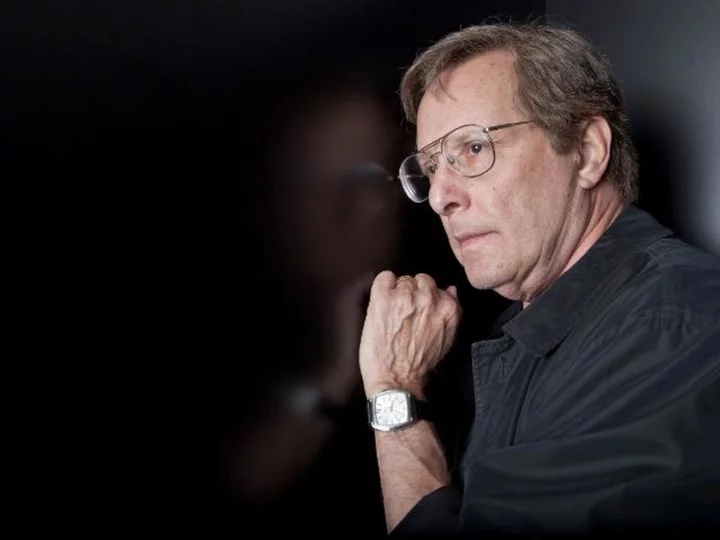
William Friedkin, 'Exorcist' director, dead at 87
William Friedkin, director of iconic 1970s films including "The French Connection" and "The Exorcist," has died, his wife Sherry Lansing, the former CEO of Paramount Pictures, told The Hollywood Reporter on Monday.
1970-01-01 08:00

Brain’s appetite control centre different in overweight or obese people – study
The brain’s appetite control centre is different in the brains of people who are overweight or live with obesity, a new study suggests. The researchers said their findings add further evidence to the relevance of brain structure to weight and food consumption. Current estimates suggest that more than 1.9 billion people worldwide are either overweight or obese. And, according to the Office for Health Improvement and Disparities, almost two-thirds of adults in the UK are overweight or living with obesity. This increases the risk of developing health issues like type 2 diabetes, heart disease and stroke, cancer and poorer mental health. The last two decades have given us important insights about appetite control and how it may be altered in obesity Professor Paul Fletcher, University of Cambridge A number of factors influence how much people eat and what they eat, including genetics, hormone regulation, and the environment they live in, researchers say. However, it is not entirely clear what happens to the brain to tell us that we are hungry or full. Past studies have shown that the hypothalamus – a small region of the brain about the size of an almond – plays an important role. Dr Stephanie Brown, from the Department of Psychiatry and Lucy Cavendish College, University of Cambridge, said: “Although we know the hypothalamus is important for determining how much we eat, we actually have very little direct information about this brain region in living humans. “That’s because it is very small and hard to make out on traditional MRI brain scans.” Professor Paul Fletcher, the study’s senior author, from the Department of Psychiatry and Clare College, Cambridge, said: “The last two decades have given us important insights about appetite control and how it may be altered in obesity. “Metabolic researchers at Cambridge have played a leading role in this. “Our hope is that, by taking this new approach to analysing brain scans in large datasets, we can further extend this work into humans, ultimately relating these subtle structural brain findings to changes in appetite and eating and generating a more comprehensive understanding of obesity.” The majority of evidence for the role of the hypothalamus in appetite regulation comes from animal studies, which indicate complex interacting pathways within the hypothalamus, with different cell populations acting together to tell us when we are hungry or full. To get around this researchers used an algorithm developed using machine learning to analyse brain scans taken from 1,351 young adults across a range of BMI scores. They looked for differences in the hypothalamus when comparing individuals who are underweight, healthy weight, overweight, or living with obesity. According to the findings, the overall volume of the hypothalamus was significantly larger in the overweight and obese groups of young adults. The researchers describe a significant relationship between volume of the hypothalamus and body mass index (BMI). The differences were most apparent in those sub-regions of the hypothalamus that control appetite through the release of hormones to balance hunger and fullness. While the exact significance of the finding is unclear, one explanation is that the change relates to inflammation, the researchers suggest. Eating a high-fat diet could trigger inflammation of our appetite control centre Dr Stephanie Brown, University of Cambridge Previous animal studies have shown that a high-fat diet can cause inflammation of the hypothalamus, which in turn prompts insulin resistance and obesity. In mice, just three days of a fat-rich diet is enough to cause this inflammation. Other studies have shown that this inflammation can raise the threshold at which animals are full – in other words, they have to eat more food than usual to feel full. Dr Brown added: “If what we see in mice is the case in people, then eating a high-fat diet could trigger inflammation of our appetite control centre. “Over time, this would change our ability to tell when we’ve eaten enough and to how our body processes blood sugar, leading us to put on weight.” More research is needed to confirm whether increased volume in the hypothalamus is a result of being overweight or whether people with larger hypothalami are predisposed to eat more in the first place. It is also possible that these two factors interact with each other, causing a feedback loop, the study published in Neuroimage: Clinical, and supported by the Bernard Wolfe Health Neuroscience Fund, Wellcome and the NIHR Cambridge Biomedical Research Centre, with additional funding from Alzheimer’s Research UK, suggests.
1970-01-01 08:00

Areas with lower bird diversity ‘have more mental health hospital admissions’
Areas with lower bird diversity appear to have a higher number of hospital admissions related to mental health conditions, research suggests. Experts analysed data from ebird – an online database of bird observations by citizen scientists – to estimate diversity across the US state of Michigan. The team then combined this with hospital admissions for anxiety and mood disorders in the state. The findings, published in the journal Geo: Geography And Environment, showed lower bird diversity to be a significant predictor of higher numbers of hospital admissions for mental health conditions, highlighting the complex relationship between the disorders and biodiversity crises. It is critical we take a holistic approach to our mental health and nature Dr Rachel Buxton The researchers said that while income and the presence of green spaces were the strongest predictors of anxiety and mood disorder-related admissions, there were also independent “significant associations” between mental health and bird diversity. Lead author Dr Rachel Buxton, assistant professor at the Institute of Environmental and Interdisciplinary Sciences at Carleton University in Canada, said: “Often we consider nature as representing the amount of green space near homes or the distance to the nearest park, but the link between species diversity and health is underexplored. “Our study shows that if species diversity can affect mental health at the severe end of the spectrum (hospitalisations), it is possible that the decline in biodiversity across the globe may be intricately connected with our anxiety and mood on a day-to-day basis. “It is critical we take a holistic approach to our mental health and nature. “Investing in nature should not be viewed as a luxury, but a necessity, and evaluated in the context of the support for wellbeing it offers individuals and communities living in urban or nature-scarce environments. “Restoring and conserving diverse bird communities could be one avenue to improving mental health in cities and factored into urban restoration projects and public health policies.” Last year, researchers from King’s College London found that watching birds or listening to birdsong was linked to mental wellbeing, with effects lasting up to eight hours. The Institute of Psychiatry, Psychology & Neuroscience (IoPPN) team said at that time that the links between birds and mental wellbeing were not explained by co-occurring environmental factors such as the presence of trees, plants or waterways.
1970-01-01 08:00

Italy’s Windfall Profits Tax on Banks Spooks Markets
Italy’s right-wing government spooked markets with an unexpected tax on banks’ windfall profits, sending the country’s leading lenders
1970-01-01 08:00
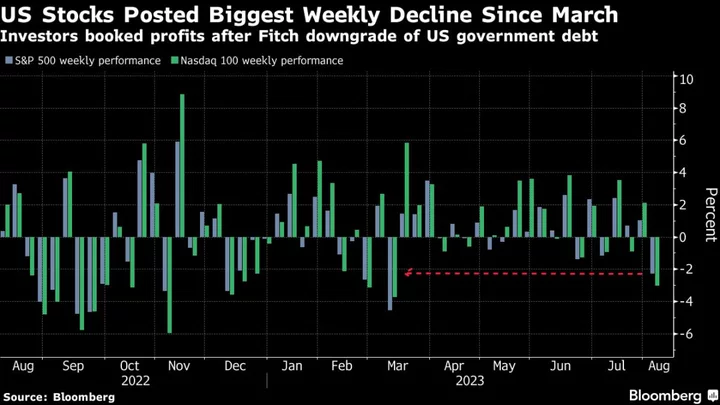
Citi’s Montagu Says US Stocks Can Rise as Positioning Risk Drops
The “orderly” pullback in US stocks last week has reduced the risk of a chaotic selloff and set
1970-01-01 08:00
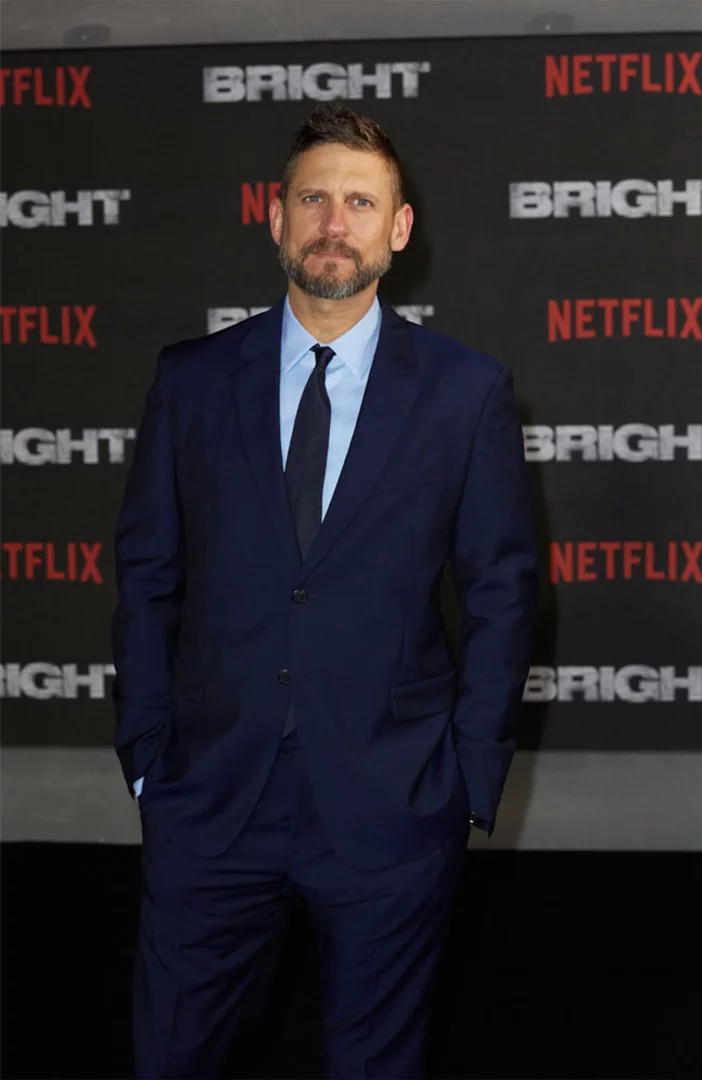
David Ayer: James Gunn told me my Suicide Squad cut will have its time to be shared
'Suicide Squad' director David Ayer has told how DC co-chief James Gunn has told him that his cut of the 2016 movie will have its "time to be shared".
1970-01-01 08:00

Glencore Mid-Year Profit Plunges 50% as Commodity Prices Retreat
Glencore Plc reported a steep drop in first-half profit and slashed returns to its shareholders after disappointing Chinese
1970-01-01 08:00

Why has Ireland got so much surplus cash?
The Republic of Ireland is predicted to have a €65.2bn (£56.3bn) budget surplus by 2027.
1970-01-01 08:00

Rachel Morin’s chilling Facebook post before mother-of-five found dead on Maryland hiking trail
Rachel Morin shared a post on Facebook that hinted at her possible affinity for thrill months before she was found dead along a forest trail in Maryland. The mother-of-five was last seen around 6pm on Saturday when she allegedly went out for a run on the Ma and Pa Trail in Bel Air. The 37-year-old failed to return home that night and her boyfriend reported her missing, according to Harford County sheriff Jeffrey Gahler. Morin’s vehicle was found in the parking lot at the entrance to the popular walking route on Sunday morning and hours later, at around 1pm, a member of the public discovered a woman’s body close to the trail. Morin shared a post in February that read: "Risk can be dangerous, but routine can be deadly. Comfort has killed more dreams than daring ever did." Authorities on Sunday night said they have opened a homicide investigation as they awaited formal identification and cause of death from the medical examiner’s office. Rebekah Morin, the victim’s devastated sister, claimed on a GoFundme page that her sister's death was "not accidental" and she did not go "willingly". Morin's 27-year-old boyfriend, Richard Tobin, broke his silence on Sunday night, saying he would “never do anything to her”. “Yes I have a past but I also have 15 months clean and have changed as a person. Please,” Mr Tobin wrote on Facebook. Court records showed Mr Tobin has two arrests for second-degree assault, and separate arrests for violating restraining orders, malicious destruction of property and drug possession dating back to 2014. Mr Tobin has also faced charges of being a fugitive from justice, resisting arrest and disorderly intoxication, according to Maryland judiciary case search records. He is, however, not been named as a suspect, or accused of any wrongdoing in connection with the homicide inquiry. “Right now detectives continue to work the case as aggressively as they possibly can and we will leave no stone unturned,” Sheriff Gahler told reporters. “I hope that changes in the coming hours, but at this point in time, there is not a suspect.” Read More Rachel Morin – update: Boyfriend of missing mother-of-five speaks out as homicide probe launched Rachel Morin was found dead on a popular Maryland hiking trail. Her sister says she ‘did not go willingly’ Homicide investigation launched as body found after mother-of-five vanished on Maryland hiking trail
1970-01-01 08:00

Former Republican official in Georgia subpoenaed over Trump efforts to change election result
A former Republican lieutenant governor of Georgia has received subpoenas to speak before a grand jury in Fulton County this month, according to a new report. Geoff Duncan – a sharp critic of Donald Trump’s efforts to upend Georgia’s election results – was subpoenaed to testify before the grand jury, according to sources familiar with the investigation into the 2020 election interference in Georgia that were cited by CNN. In a recent interview with CNN, Mr Duncan had committed to testifying in front of the grand jury, saying he’ll “be there to answer the facts as I know them and to continue this process of trying to discover what actually happened during that post-election period of time”. “We can never repeat that in this country. Certainly, I never want to see that happen in my home state of Georgia, a lot of good peoples’ lives were uprooted, and a lot of people’s reputations have been soiled,” he said. The former Republican official said he would be “willing to testify and tell the truth in as many settings as I possibly can”, when asked whether he would be willing to testify in any other related trials. Last week, Mr Duncan likened picking Donald Trump to be the 2024 GOP nominee to “peeing in your pants”. The former Republican official attacked the ex-president in an appearance on CNN. “Nominating Donald Trump for the Republican Party is a lot like peeing in your pants, right?” Mr Duncan said. “It’s gonna feel good for a couple of seconds, but then you wake up and realise the realities of what you just did.” “We’re gonna get beat in the general [election] because we picked the wrong candidate. We couldn’t get out of our own way,” he continued. Meanwhile, Mr Duncan chose not to discuss when he might appear before the grand jury. “I don’t want to infringe on any details of the investigation, so I’ll leave that offline and off of this commentary here. But I’m committed to telling the truth – I know a number of people are around this process.” Read More Republicans are talking up the possibility of impeaching Biden. Is it what voters want to hear? Trump posts another attack on judge ahead of first court deadline Jack Smith accuses Trump of aiming to try election case in media after he opposed protective order - latest Trump and Biden tied in hypothetical 2024 rematch: poll Mississippi candidates for statewide offices square off in party primaries Jack Smith accuses Trump of wanting to try Jan 6 case in media in fight over evidence
1970-01-01 08:00

Stability AI’s Lead Threatened by Departures, Concerns Over CEO
Late last year, Stability AI Ltd., a startup based in London, was at the center of the AI
1970-01-01 08:00