
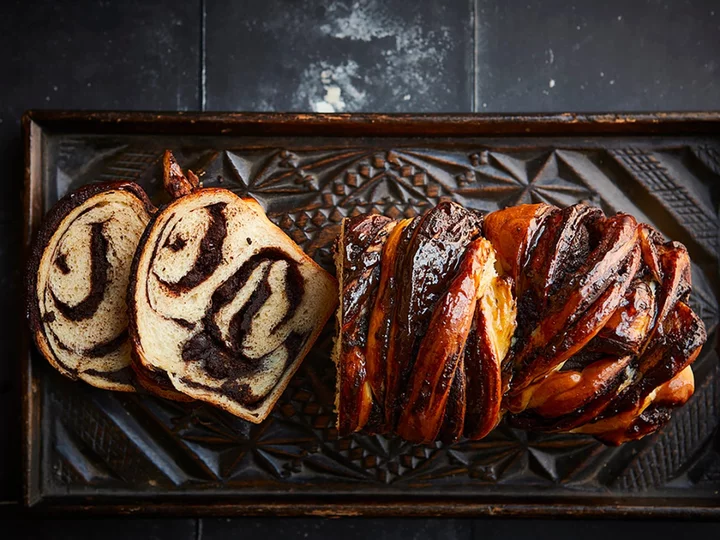
How to pull off a traditional German babka chocolate braid
What looks more stunning than the randomly swirling bands of dark chocolate in this loaf of white sweet bread? This style of braiding is known in many countries, and is used with different fillings as well,” says former contestant on The Great British Bake Off, Jurgen Krauss. “Always an eye-catcher, it used to be a special treat on our Saturday afternoon coffee table. The rich spices and citrus zest in combination with chocolate make this truly a great braid for any special occasion.” Babka chocolate braid Serves: 15 Ingredients: For the dough: 190g bread flour 140g white spelt flour or plain flour, plus extra for dusting 6g instant yeast 1 pinch salt 40g caster sugar 180ml whole milk 1 medium egg 40g unsalted butter, softened Zest of 1 lemon Zest of 1 orange ½ tsp ground cardamom For the filling: 100g dark chocolate (54% or 70% cocoa solids, to taste) 60g unsalted butter 60g soft light brown sugar 2 tsp ground cinnamon ½ tsp ground cloves 30g cocoa powder Unsalted butter, melted, or apricot jam for glazing Method: 1. For the dough, put all the ingredients in a bowl and, using your hands or a stand mixer fitted with the dough hook, mix the ingredients until evenly distributed. Then knead the dough for several minutes until it has a smooth and silky texture. Cover with a tea towel or a plastic bag and leave to prove at room temperature for about one hour. Check with the poke test that the dough is ready. 2. Meanwhile, prepare the filling. Put the chocolate, butter and sugar into a pan and melt over low heat. Once liquid, take the pan off the heat and add the cinnamon, cloves and cocoa powder. It’s OK if the filling looks grainy. 3. Line a 950g loaf tin with baking paper. 4. On a lightly floured surface, roll out the dough to a rectangle measuring about 50 x 30cm. Spread the chocolate filling over the dough rectangle, leaving 2cms of the far short edge uncovered. Roll up the dough rectangle, starting at the near short edge. Seal the seam by pinching it. 5. Place the roll on a work surface with the seam facing down and, with a sharp knife, cut the roll lengthwise into halves. Twist the halves together to form a rope. You can do this starting at one end and twist this half of the roll, and then do the same for the other half; this way you don’t have to manipulate the whole length at once. 6. Place your hands palm down on the ends and, with a scooping movement, bring the ends to meet underneath the middle of yourrope. Transfer this into the lined tin, and cover with a tea towel or a plastic bag. Leave to prove for 30 minutes to one hour until the Babka is well risen and the dough starts to feel fragile; a gentle touch with a finger will leave a dent that only slowly recovers. 7. Preheat the oven to 170C fan/gas mark 5. 8. Bake the babka for 30-40 minutes. 9. Melt the butter for glazing or heat the apricot jam with a teaspoon of water. Brush the babka with melted butter or jam as soon as it is out of the oven. Leave to cool for about 15 minutes, then carefully remove from the tin and baking paper. 10. Let the babka cool completely before eating. Stored in an airtight container it will last for three days. ‘German Baking: Cakes, Tarts, Traybakes And Breads From The Black Forest And Beyond’ by Jurgen Krauss (published by Kyle Books on 31 August, £26). Read More The dish that defines me: Evelin Eros’s rum cake ‘It started with a radish’: Chef Simon Rogan reflects on restaurant L’Enclume at 20 The true story – and murky history – of Portuguese piri piri oil ‘My depression stopped me doing what I loved most in life – cooking’ What Bake Off’s Jurgen Krauss really thinks of his shock elimination Quick, moist and flavourful: Jurgen Krauss’s marble cake
1970-01-01 08:00
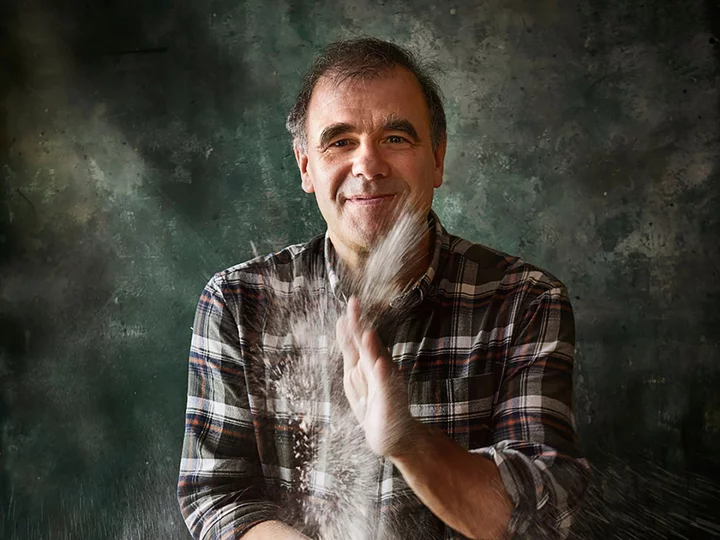
What Bake Off’s Jurgen Krauss really thinks of his shock elimination
Jurgen Krauss’s elimination from the 2021 Great British Bake Off caused such a scandal, Ofcom received 115 viewer complaints. The lovable German baker was seen as a top competitor, winning three star baker prizes before being booted off in the semi-finals. Nearly two years on, Brighton-based Krauss, 58, has no hard feelings – but he did see the uproar coming. “I had a feeling there would be complaints – a feeling that people would take it very seriously,” he says. But he still has only good things to say about the show, noting the “overwhelmingly positive reaction was quite amazing”, and crediting the experience with boosting his baking skills massively. He speaks particularly fondly about the period before the competition started, when the contestants were in a bubble and testing their recipes. “We had nine weeks to prepare one signature and one showstopper each week and submit the recipe – that was really a huge time for growth,” he says. He calls this a period of “non-stop new ideas, non-stop new processes”, adding with a wry laugh: “Most of the things I’d done in the tent I’d never done before, and some of them I’ve never done since, [and] I’m not sure I’ll ever do them again. It was tough – it was amazing.” Many of the bakes Krauss made on the show were inspired by his childhood in the Black Forest, Germany. This formed the start of his new cookbook, aptly called German Baking: Cakes, Tarts, Traybakes And Breads From The Black Forest And Beyond. “During Bake Off, the briefs of all these signature bakes often included references to childhood that really reconnected me to my culinary home, to the Black Forest and the cooking of my parents, the things I liked to eat as a child or teenager, or while I was studying.” Some of Krauss’ favourite food memories growing up are from the period before Christmas. “My brother and I, we were always in the kitchen with my mother, we were always part of cooking and baking Christmas – the time before Christmas was always amazing,” he remembers. “It was fun, getting hands sticky in dough and tasting it all, and using ingredients like kirsch [brandy made from cherries]. I didn’t think much of it, being able to make cakes like cheesecakes or Linzer torter [a spiced tart that would kick off the Christmas period in Krauss’ household]. “But then much later, after the move to England [in 2003], I really took a deep dive into making bread. After 10 years or so, I really was craving German bread.” From apple marzipan tarts to the classic Black Forest gateau, Krauss’ book is an ode to his childhood and where he grew up. “Black Forest is an interesting region, because it has influences from France and Austria,” Krauss explains. “It had a varied history. It was Austrian for almost 200 years – you get dark breads, but rye isn’t such a dominant grain as it is in other German areas. That’s the Austrian influence – you get a lot more wheat and you get things like pancakes and dumplings, more than in other German areas, which is clearly inspired by the Austrian kitchen. “You have also a huge influence from France and Alsace in terms of day-to-day cooking, so it’s a bit of a conglomerate.” Despite its name, Krauss suggests the Black Forest gateau was actually invented in Dortmund – a city around five hours’ drive away from his home. “But it has become iconic because on the borders of the Black Forest in the Rhine Valley there are huge orchards and cherries grow very well there. Making kirsch has a long tradition, making fruit brandies has a long tradition in the Black Forest because of that.” Other recipes in the book include the Flammkuchen, or what Krauss describes as “kind of a Black Forest pizza”. “It’s an unleavened bread, so you could say it’s a matzah with sour cream on it, and you can put lardons on it, onions, or you can make it sweet with cinnamon sugar and apple slices. It’s really so easy – you can have it ready in 20 minutes, from start to finish. You just need to have an oven that goes really hot.” While the book is all about traditional German baking, Krauss has added the occasional modern twist. He says animal products are prominent in German cooking, “And they don’t run very strongly through my bakes in the book, because I wanted to make it appealing to a very wide audience. So I didn’t use lard, where a traditional Black Forest baker would probably use lard or lardons – things like that. I definitely scaled back on that. You would make dumplings or doughnuts in lard, you would fry them in lard – this sort of thing has lost its appeal over the last few years I think.” While he’s still known to many as “Jurgen from Bake Off”, Krauss says he’s come a long way since the show. “I feel much more in command of things,” he muses. “It feels a lot easier for me to change things. I got to a stage in bread baking where I can go fancy and know the outcome will be OK. I never had that with sweet things before Bake Off. “But now I can see how to change ingredients and how recipes work in general – so that’s a huge change.” ‘German Baking: Cakes, Tarts, Traybakes And Breads From The Black Forest And Beyond’ by Jurgen Krauss (published by Kyle Books on 31 August, £26). Read More How to save money in the kitchen according to top chefs The chef who hated food as a child Discovering Sierra Leonean flavours in South London The dish that defines me: Evelin Eros’s rum cake ‘It started with a radish’: Chef Simon Rogan reflects on restaurant L’Enclume at 20 The true story – and murky history – of Portuguese piri piri oil
1970-01-01 08:00
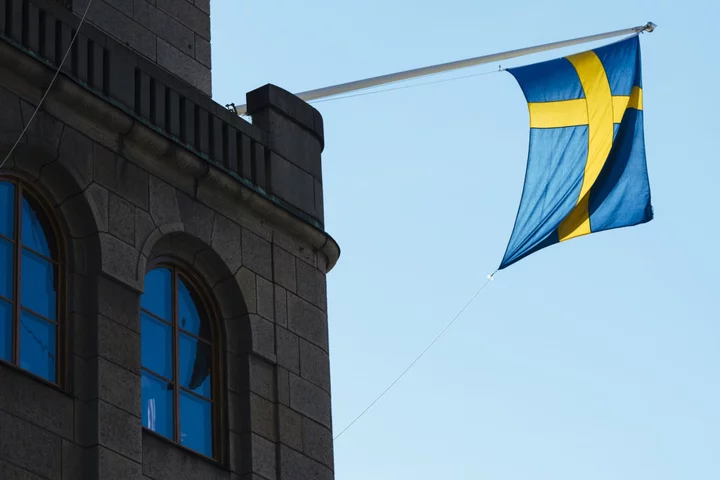
Sweden’s Biggest Nuclear Reactor Will Be Offline Until Sept. 15
Sweden’s biggest nuclear reactor will be offline for more than two weeks after suffering an unplanned outage early
1970-01-01 08:00
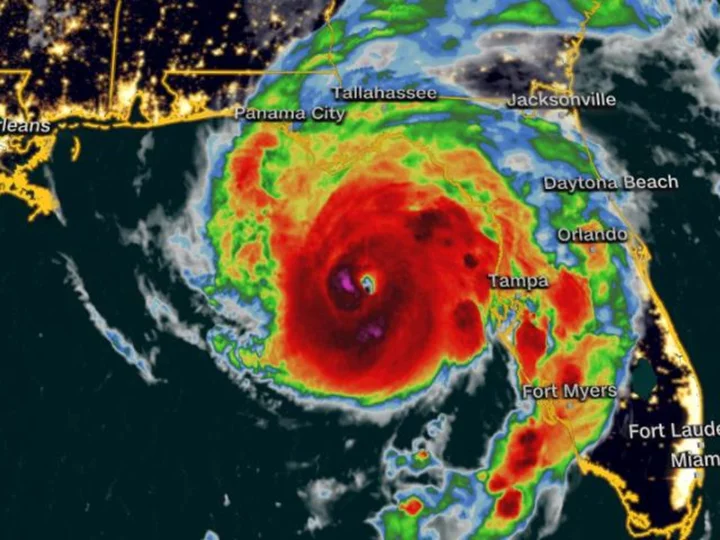
Hurricane Idalia threatens to hit Florida as a catastrophic Category 4 storm Wednesday morning, and conditions are already deteriorating
Hurricane Idalia could crash into Florida's west coast as "an extremely dangerous Category 4" hurricane Wednesday morning, forecasters said -- a potentially catastrophic collision for a state that's already seeing coastal flooding and deteriorating conditions ahead of landfall.
1970-01-01 08:00

Soldiers Seize Power in OPEC Member Gabon After Election
Soldiers seized power in OPEC member Gabon, the BBC reported, four days after the central African nation held
1970-01-01 08:00
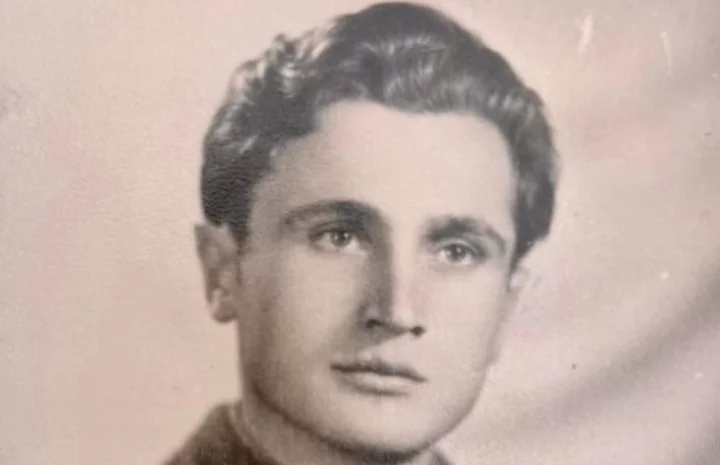
Kidderminster war veteran remembered after death, aged 100
Lt Edmund Szymczak, who was shot three times in World War Two, went on to help Polish people in the UK.
1970-01-01 08:00

Canada warns LGBT travellers of US risks
The Canadian government warns that some US states have enacted laws that may affect LBGT people.
1970-01-01 08:00
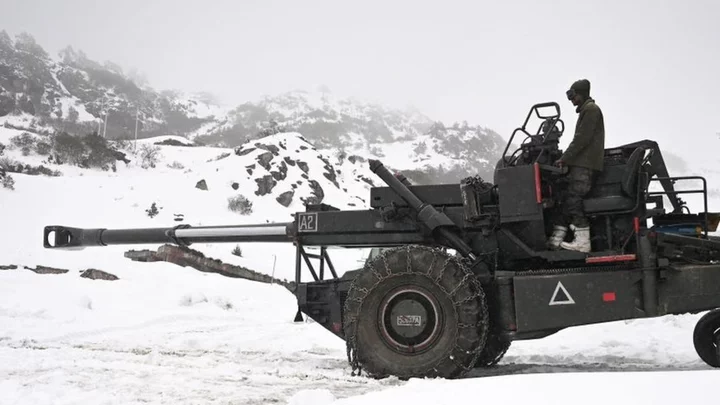
China map: India lodges 'strong protest' over territory claims
India says a new map released by China "lays claim" to its territory.
1970-01-01 08:00

Super Typhoon Lashes Taiwan Before Heading to Hong Kong
Super Typhoon Saola pummeled the south of Taiwan early Wednesday with strong winds and heavy rain, shutting offices
1970-01-01 08:00

Army officers say they are taking power in Gabon
Army officers go on TV to say they are annulling the results of the recent presidential election.
1970-01-01 08:00
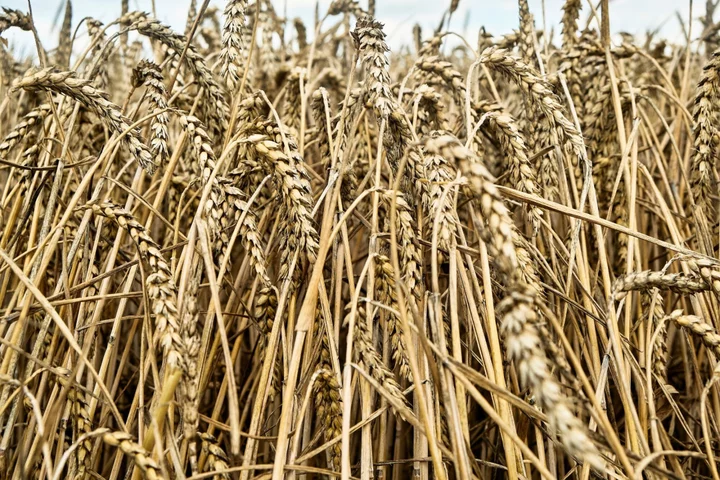
Wheat Edges Higher as Hostilities Escalate Again in Black Sea
Wheat rose from the lowest level since early June as hostilities between Ukraine and Russia ramped up again
1970-01-01 08:00

Singapore Money Laundering Case Embroils City’s Banking Giants
Some of the biggest local and international banks in Singapore are becoming embroiled in one of the city-state’s
1970-01-01 08:00