

What can you actually do to help prevent cancer, as 12% believe coffee is carcinogenic?
A new poll has found that 12% of people still believe that drinking coffee is carcinogenic. The new poll – conducted by the World Cancer Research Fund (WCRF), which surveyed 2,092 adults via YouGov – looked into the different ways people live, and whether it impacts their risk of cancer. The research found that 86% of people believed smoking increased the risk of cancer, while 60% said that being overweight could do the same. 47% thought being physically inactive can be detrimental, and 59% believed a poor diet can up the odds. Almost 59% said alcohol can increase a person’s risk and 55% said processed meat could be a risk factor. WCRF launched its poll to highlight its free eight-week interactive programme Activ8, to provide people with tips on making healthier food and drink choices, and finding different ways to be more active. Cancer Research UK wrote on their website that “not all cancers can be prevented, but there are things you can do to reduce your risk”. A person’s risk of cancer depends on many different things, for example, someone’s genes or age. But according to the charity, four in 10 UK cancer cases could be prevented. “The world around us doesn’t always make it easy to be healthy – but small changes to your daily routine can add up.“ The WCRF agreed and has said that around 40% of cancer cases could be prevented through factors including eating a healthy diet, keeping physically active, maintaining a healthy weight, not smoking and being safe in the sun. Dr Helen Croker, assistant director of research and policy at the WCRF, said: “These poll results show that many people aren’t aware of some of the steps they can take to help protect themselves from cancer. “For example, it’s interesting to see that 12% of Brits believe drinking coffee increases cancer risk, when in fact we have strong evidence that it reduces the risk of liver and womb cancers, and some evidence that drinking coffee could decrease the risk of other cancers, including mouth and skin. “For cancer prevention, there’s no reason for most people not to drink coffee, but for those who do, we recommend not adding sugar or other sweeteners, and drinking it in moderation.” Read More Charity boss speaks out over ‘traumatic’ encounter with royal aide Ukraine war’s heaviest fight rages in east - follow live A-Level results: How to be the emotional support your teen really needs These are the cheapest school uniforms on the high street – according to Which? Half of anxiety and depression cases in new and expectant mums are missed: 7 signs a new mum needs help
1970-01-01 08:00

North Korea: Taekwondo athletes believed headed to Kazakhstan
It will mark the first overseas appearance of North Korean athletes since the pandemic.
1970-01-01 08:00
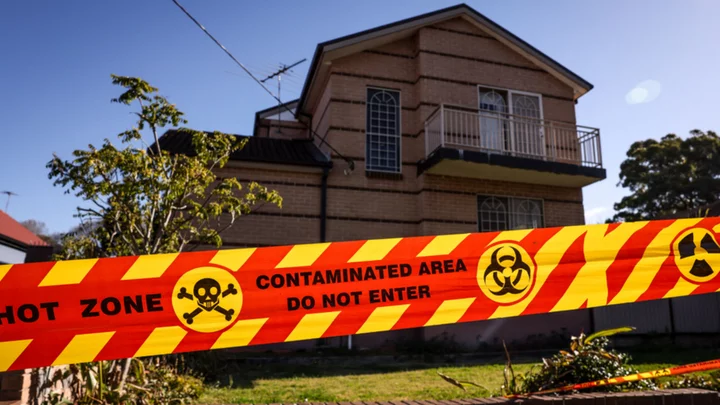
Radioactive material found as Australian border force raid Sydney home
Roads were sealed off in Arncliffe after discovery of "low level isotopes" during a search.
1970-01-01 08:00

US Marine charged with sexual assault weeks after missing teen was found in Camp Pendleton barracks
A US Marine at California's Camp Pendleton has been charged with sexual assault weeks after a missing 14-year-old was discovered in the military base's barracks, according to a charging document.
1970-01-01 08:00

North Korea prepares for military actions in protest of U.S. three-nation summit -S.Korea
By Ju-min Park and Soo-hyang Choi SEOUL North Korea may launch an intercontinental ballistic missile or take other
1970-01-01 08:00
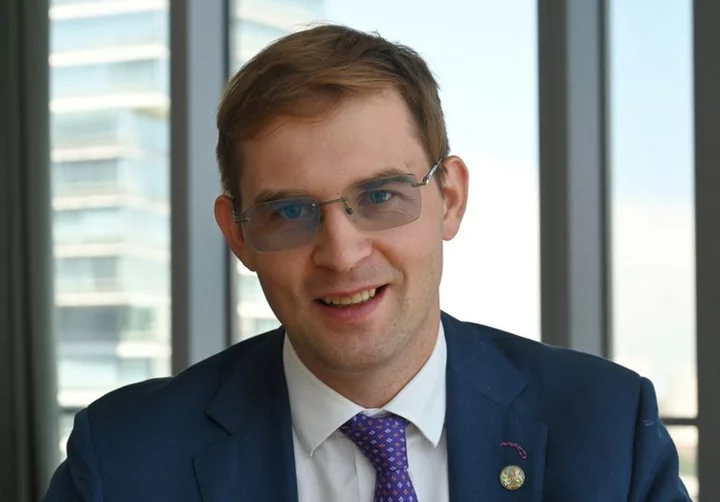
Hindenburg target Freedom Holding to keep working with non-sanctioned Russians
By Mariya Gordeyeva ALMATY Kazakhstan-based Freedom Holding, the latest target of Hindenburg Research, plans to keep working with
1970-01-01 08:00
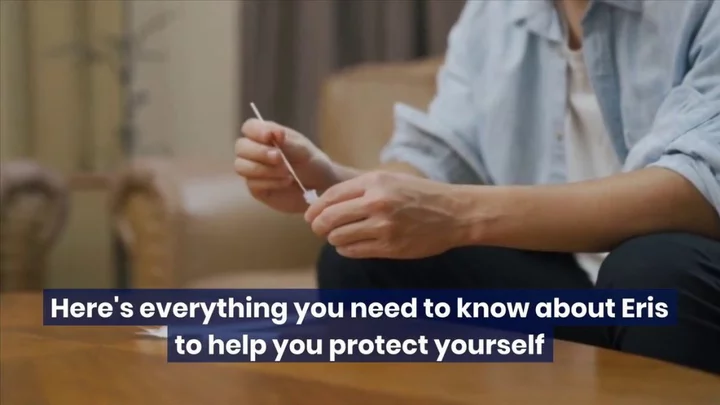
Man's legs turn purple in rare Covid complication
The effects of long Covid are still being uncovered by experts, and now doctors have been studying a rare complication that saw a man’s legs turn purple. A new research paper has been released which looks into the case of a 33-year-old man who had been infected with Covid 18 months earlier and experienced difficulties when standing up. His legs would turn purple when he did so, as well as tingling and itching, but things would return to normal when he lay down. The odd condition was diagnosed as POTS dysautonomia. This was determined after his pulse was found to rise to 127 beats per minute when standing, as well as feeling shaky and unsteady on his feet. The paper leads on from previous studies, which detected POTS in 20 people after they developed a Covid-19 infection. According to the new study published in The Lancet, there is "evidence is growing of a link between long Covid and POTS dysautonomia”. The paper’s co-author Dr Manoj Sivan said in a statement: "This was a striking case of acrocyanosis in a patient who had not experienced it before his Covid-19 infection. "Patients experiencing this may not be aware that it can be a symptom of long Covid and dysautonomia and may feel concerned about what they are seeing. Similarly, clinicians may not be aware of the link between acrocyanosis and long Covid." Dr Sivan added: "We need to ensure that there is more awareness of dysautonomia in long Covid so that clinicians have the tools they need to manage patients appropriately." Sign up to our free Indy100 weekly newsletter Have your say in our news democracy. Click the upvote icon at the top of the page to help raise this article through the indy100 rankings.
1970-01-01 08:00

Takealot Starts Cape Town Rapid Delivery Before Amazon Comes
Takealot, South Africa’s leading online retailer, is introducing delivery within an hour for items ranging from phone chargers
1970-01-01 08:00

Burger King follows McDonald's in cutting tomatoes from its India menu
Tomatoes are off the menu in India as Burger King becomes the latest fast food chain to be impacted by rising prices of the culinary staple.
1970-01-01 08:00
Tomb Raider games group Embracer lags forecast, maintains outlook
By Jesus Calero and Marie Mannes STOCKHOLM (Reuters) -Swedish games developer Embracer on Thursday reported slightly weaker than expected operating
1970-01-01 08:00

Streaming services now cost more than cable TV
The combined cost of popular streaming services like Netflix and Disney Plus is now more expensive than traditional cable television, according to new analysis. Recent price rises to all of the main streaming platforms for ad-free subscriptions have pushed the cost above the average cable TV package of $83 per month for the first time. Calculations by the Financial Times found that a bundle of the top US streaming services – including Disney+, Hulu, Netflix and Peacock – rose in price from $73 to $87 over the last year. Some of the price rises of streaming services have been considerable, going way above the rate of inflation. Netflix raised the price of its basic advertisement-free monthly subscription from $9.99 to $15.49, representing a 55 per cent increase. Disney Plus saw an even bigger increase for its ad-free subscription price, nearly doubling from $7.99 per month to $13.99. “From a business point of view, streaming was going to have to move in this way – the price point was going to have to go up,” David Rogers, a professor at Columbia Business School and expert in digital business, told the FT. “This was accelerated by the fact that we no longer have cheap debt to flood the market with streaming content.” These rising costs, combined with an increasingly fractured streaming ecosystem, have helped contribute to a major surge in online piracy over the last year. Figures published earlier this year by research firm Muso revealed that the most popular form of piracy is websites that host free streams of films and TV series, which account for 80 per cent of all illegal content consumption. Visits to these sites rose by nearly 9 per cent last year, with early data suggesting that this trend will continue into 2023. Several illicit streaming sites offer similar functionality to the legitimate platforms like Netflix, however they typically do not have any restrictions on the content you can watch. Security experts have warned, however, that such sites may pose a risk to visitors, while links shared on social media sites can often lead to fake versions of these illicit sites that seek to steal financial and other sensitive data. Read More Free streams to watch Barbie spread online amid security warnings Hozier would consider striking over AI threat to music industry Google is getting ready for the ‘quantum apocalypse’ X now sorts posts on accounts based on number of likes, not by chronology
1970-01-01 08:00

Currency Traders Hang on Every Word as Tokyo Jawbones Yen
Traders are scrutinizing every word from Japanese currency officials with renewed intensity as nine straight days of declines
1970-01-01 08:00