
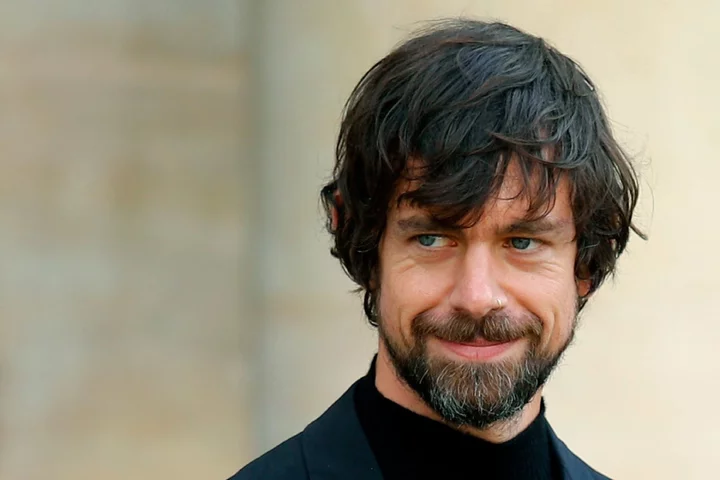
Jack Dorsey says Indian government threatened to ‘shut Twitter down’ and raid staff homes
Twitter co-founder Jack Dorsey has accused the Indian government of putting pressure on the social media company to block accounts critical of the government amid the long-running farmers’ protest in 2021. Mr Dorsey, who was still the platform’s chief at the time before its takeover by Elon Musk, said India placed “many requests” during the months-long farmers protests. “India for example, India is one of the countries which had many requests around farmers protests, around particular journalists which were critical of the government,” the former Twitter chief, who stepped down from the company’s board last year, said in a new interview with the YouTube channel Breaking Points. “It manifested in ways such as ‘we will shut Twitter down in India’… ‘we would raid the homes of your employees’, which they did; ‘we will shut down your offices if you don’t follow suit’. And this is India, a democratic country,” Mr Dorsey said. The protests in 2021 forced the Indian government to repeal laws that would have seen the biggest reforms to Indian agriculture in decades. Farmers drove tractors from agrarian states surrounding Delhi to block traffic on major roads into the capital city. Amid the protests, the Indian government allegedly threatened to punish Twitter employees with fines and jail terms of up to seven years for failing to suspend accounts deemed critical of the Modi administration. It demanded that Twitter block over a thousand accounts, including those tweeting under the hashtag “ModiPlanningFarmerGenocide”, arguing that the phrase was inflammatory. Following this, the social media company made over 250 accounts inaccessible to its India-based users, including that of the investigative news magazine The Caravan. The move was later reversed after a major public outcry. Twitter told the Indian government at the time that it would not comply with the directive to ban some accounts and tweets as they either constituted “free speech” or were “newsworthy”. Mr Dorsey compared India’s behaviour to that of Turkey. “We had so many requests from Turkey. We fought Turkey in their in their courts and often won but they threatened to shut us down constantly,” he said. Indian IT minister Rajeev Chandrashekar rejected the former Twitter chief’s claims that the Modi government put pressure on the social media company, calling it “an outright lie,” and “an attempt to brush out that very dubious period of Twitter’s history.” “Twitter under Dorsey and his team were in repeated [and] continuous violations of India law. As a matter of fact they were in non-compliance with law repeatedly from 2020 to 2022 and it was only June 2022 when they finally complied,” Mr Chandrashekar said. The minister alleged that Twitter had a problem accepting the “sovereignty of India law,” and behaved “as if the laws of India did not apply to it”. “No one went to jail nor was Twitter ‘shut down’ ... India as a sovereign nation has the right to ensure that its laws are followed by all companies operating in India,” Mr Chandhrashekar said. “During the protests in January 2021, there was a lot of misinformation and even reports of genocide which were definitely fake,” the minister said, adding that the Indian government “was obligated to remove” them from the platform as it had the potential to “further inflame the situation based on fake news”. Mr Dorsey also commented on Twitter’s regime under Tesla and SpaceX chief Elon Musk, calling some of his moves “fairly reckless”. After taking over Twitter in October, Mr Musk proceeded to cut costs at the company and slash over three quarters of the firm’s workforce. “I think it set up a dynamic where he had to be very hasty, he had to be impatient, and he had to move as quickly as possible with features even if they weren’t fully thought out... It all looked fairly reckless,” Mr Dorsey said. Read More Twitter’s new chief echoes Elon Musk’s goal in first memo to employees Put ‘public good’ at heart of AI and new tech, Starmer to say Elon Musk is hilariously shut down by his ‘favourite’ podcast Bluesky, championed by Jack Dorsey, was supposed to be Twitter 2.0. Can it succeed? Jack Dorsey endorses Robert F Kennedy Jr for president Jack Dorsey says Twitter ‘went south’ after company’s sale to Elon Musk
1970-01-01 08:00

Valneva’s Chikungunya Vaccine Shows Immune Response
French vaccine maker Valneva SE’s experimental shot for chikungunya, a mosquito-borne disease spreading worldwide, produced an immune response
1970-01-01 08:00
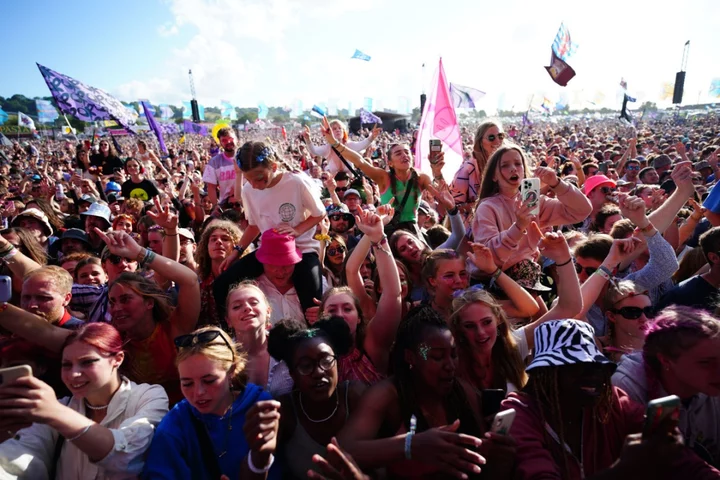
How to take care of your mental health at festivals
Festival season is upon us, with Glastonbury taking place near the end of June. While we’re well versed in how to take care of our physical health at a festival (yes, you really should take a hat in case the sun comes out), what about the mental health side of things? Mike McAdam, 38, co-founded Blink Mental Health, which provides mental health support at festivals. After his mental health deteriorated in 2017, McAdam found his condition was too serious for primary care, but not extreme enough for secondary care. He accepts there are lots of brilliant charities and campaigns encouraging people – particularly men – to talk about their mental health and reach out if they need it, but “it’s incredibly difficult to get help”, he suggests. This is where the idea for Blink came from – the ultimate aim is to set up a ‘Blink Bank’ providing money for private therapy for those who are stuck on waiting lists. McAdam accepts that is “really ambitious and would cost millions”, so as a starting point, Blink provides wellbeing at festivals. Blink is going to six festivals this summer – including Boomtown and Wilderness – where it will set up dedicated tents which McAdam calls “a place to relax, get away from things [and] take your mind off the festival”, with bean bags and mindful activities such as colouring and jigsaw puzzles. Blink also offers between 12 and 18 hours a day of free talking therapy with fully qualified and accredited psychologists or psychotherapists. “It’s not just about diagnosed mental health conditions, everyone should look after [their] mental health,” McAdam says. He suggests festivals are a great place to open up conversations around mental health. “At festivals, people tend to explore new experiences – whether that’s food, music, dance or activities – so one reason we go to festivals is because people want to explore new experiences, [and] we find them more open-minded to talk and access therapy,” he says. Plus, he accepts festivals can be “full-on”, and don’t always have “that space where you can chill out”. While McAdam suggests early intervention is key when dealing with mental health, there are some things you can do to do yourself if you’re going to a festival this summer… Be prepared Before heading off to the festival, McAdam recommends being as prepared as possible. This could include “taking earplugs, a decent sleeping bag, making sure we have clothes for all weathers if we can”, he says. “Because if you can’t get a decent night’s sleep, if you’re absolutely freezing, that will affect your physical and mental health.” Lowri Dowthwaite-Walsh, senior lecturer in psychological interventions at UCLan, agrees with the importance of planning ahead. “If you have any vulnerabilities, such as pre-existing mental health difficulties or known triggers, plan ahead for how you can manage these,” she says. “By having a plan of what to do in the event of feeling low or anxious, you’ll be able to enjoy your time more and be more relaxed.” Stay well-fed and watered McAdam recommends taking a water bottle you can refill throughout the festival, and adds: “Try and eat regularly.” He suggests it can be “very, very easy to forget about eating or drinking [water]” at a festival, or you might not want to buy much food as it can be expensive on-site. However, taking your own snacks and bottle could go a long way to helping you be as comfortable as possible. Dowthwaite-Walsh adds: “Long days, warm weather and alcohol consumption can dehydrate you and this can lead to headaches, feeling fatigued and struggling to concentrate and make good decisions” – which means drinking plenty of water is crucial. Camp wisely “Try and camp with people you feel safe with,” is McAdam’s advice. And if you’re going to a festival with different options for camping – for example, Wilderness has a quiet camping area – choose the place that suits you best. If you’re going solo, McAdam says: “Try and find the area that may suit your needs.” Be drink and drug-aware “Alcohol and drugs have a direct impact on your mental health, so it’s important to discuss your choices with friends and people you trust. You can also get support from first responders at the festival if you have issues with any substances,” says Dowthwaite-Walsh. Take the pressure off “There’s a huge, huge thing about fear of missing out”, McAdam says. “They’re extremely exciting places, [with] so much going on. “There won’t be an opportunity to explore and see everything that you may want to, so as hard as it is, please do not try and put too much pressure on yourself trying to get around everything you want to see.” This could “burn you out and add additional stress”, he says, so McAdam recommends being “realistic about what you can see”. Stay connected If you are with friends, Dowthwaite-Walsh recommends staying connected. “Being able to enjoy yourself with friends helps to deepen the experience of a festival but also keeps you safe physically and psychologically,” she suggests. She also recommends living in the moment as much as you can. “Have fun, enjoy the moment and savour it. Taking pictures to share with family and friends is a great way to create memories, but also remember to live in the moment and soak up the full experience” Read More Charity boss speaks out over ‘traumatic’ encounter with royal aide Ukraine war’s heaviest fight rages in east - follow live 5 of the best lawnmowers How should we be talking to our daughters about money? STI cases at record highs: 6 things everyone needs to know about sexually transmitted infections
1970-01-01 08:00

Elliot Page cast in Close To You
'The Umbrella Academy' actor Elliot Page has been cast alongside Hillary Baack in Dominic Savage's "beautiful" new film 'Close To You'.
1970-01-01 08:00
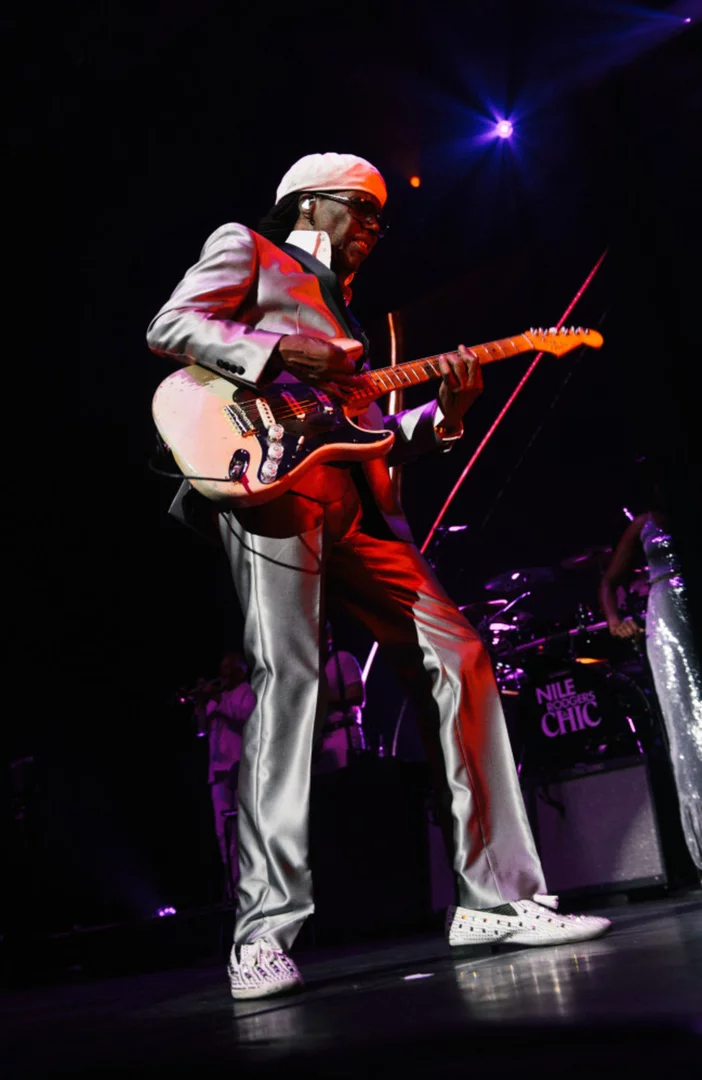
Nile Rodgers supports the idea of AI in music
Chic guitarist Nile Rodgers thinks the use of AI in music could lead to "something wonderful".
1970-01-01 08:00
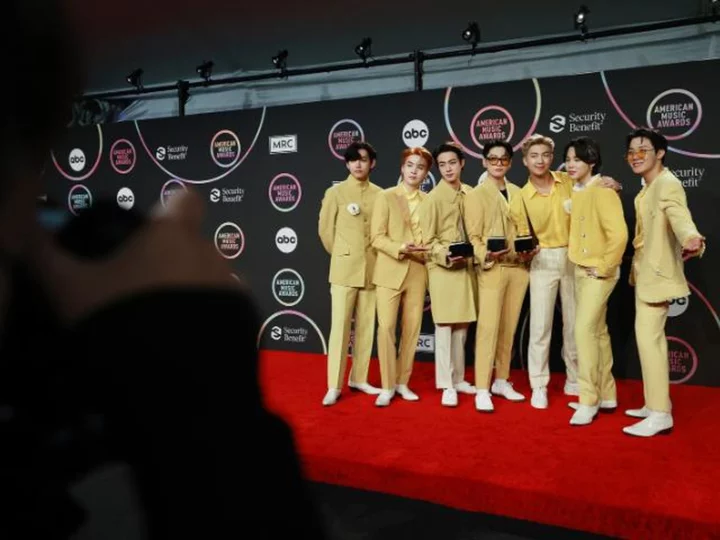
BTS 10 years on: Superfans make pilgrimage to Seoul to celebrate the K-pop band that conquered the globe
BTS has racked up more than 20 Guinness World Records, won several global awards, championed Asian representation in the global music industry and paved the way for other K-pop acts to follow in their footsteps.
1970-01-01 08:00
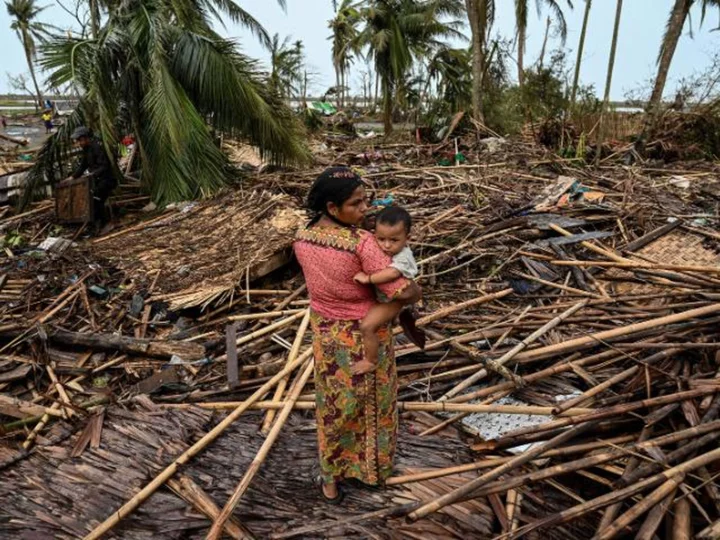
Myanmar junta suspends aid access to a million people in state devastated by Cyclone Mocha
Myanmar's ruling junta has suspended humanitarian access to western Rakhine state, where more than a million vulnerable people are in urgent need of aid a month after a powerful cyclone devastated the region, the United Nations said.
1970-01-01 08:00
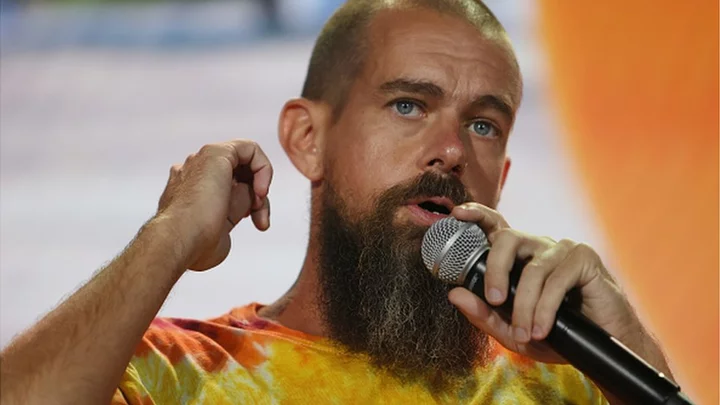
Jack Dorsey: India threatened to shut Twitter and raid employees
Former Twitter CEO Jack Dorsey's allegations have been denied by the Indian government.
1970-01-01 08:00
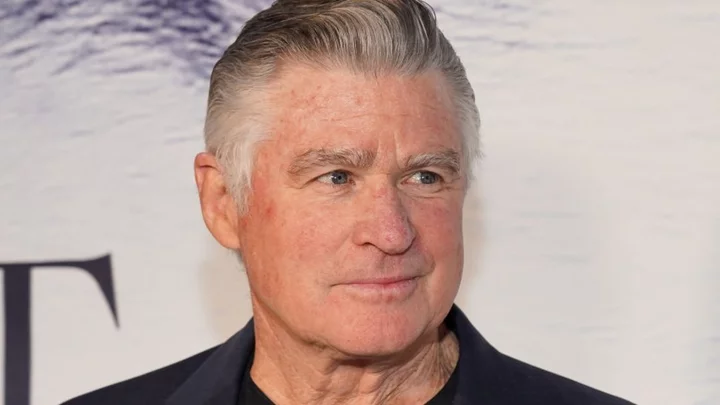
Treat Williams: Everwood and Hair actor dies in road accident
The star of Hair and Everwood achieved over 130 acting credits in career that spanned 50 years.
1970-01-01 08:00
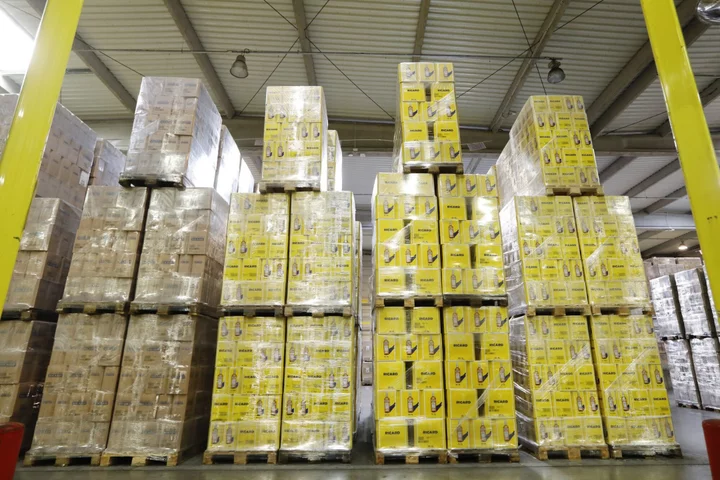
Pernod Ricard to Buy Majority Stake in Canada’s Ace Beverage
Pernod Ricard agreed to buy a majority stake in Canada’s Ace Beverage Group as the maker of Absolut
1970-01-01 08:00
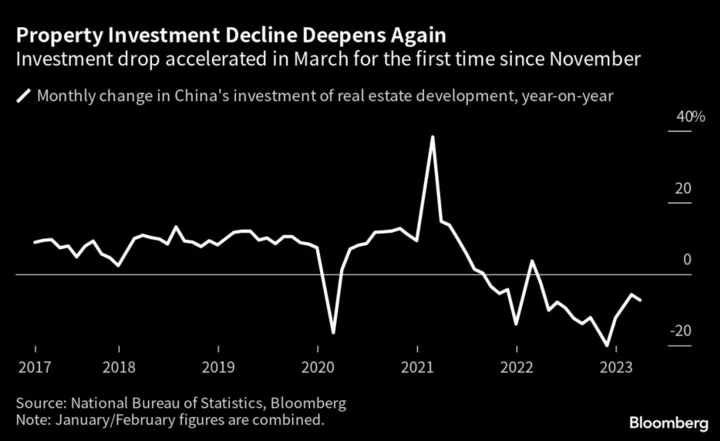
China Weighs Broad Stimulus With Property Support, Rate Cuts
China is considering a broad package of stimulus measures as pressure builds on Xi Jinping’s government to boost
1970-01-01 08:00
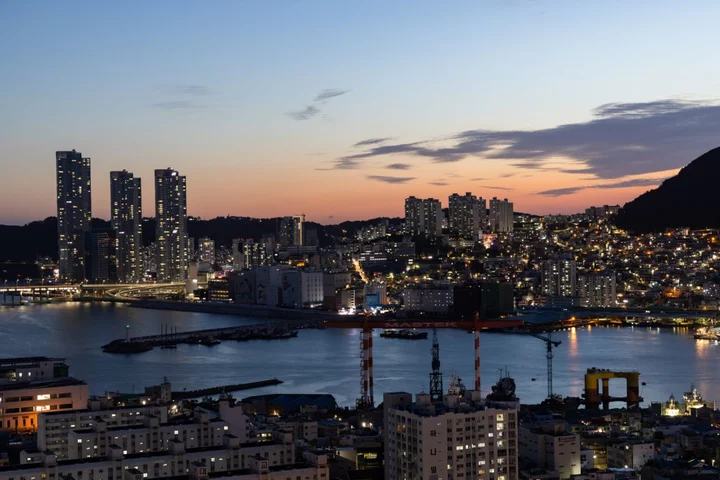
South Korea Pivots to ‘Hard-Line Stance’ With China, DongA Says
South Korea is pivoting to a “hard-line stance” in its relations with China following meetings between the two
1970-01-01 08:00