
Nigeria Plans Dollar Asset Listings to Ease Forex Woes
Nigeria’s stock exchange proposes allowing dollar-denominated bond listings and potentially expanding this to stocks, with the aim of
1970-01-01 08:00

Fukushima disaster: What happened at the nuclear plant?
A tsunami struck the Japanese plant in 2011, leading to the worst nuclear disaster since Chernobyl.
1970-01-01 08:00
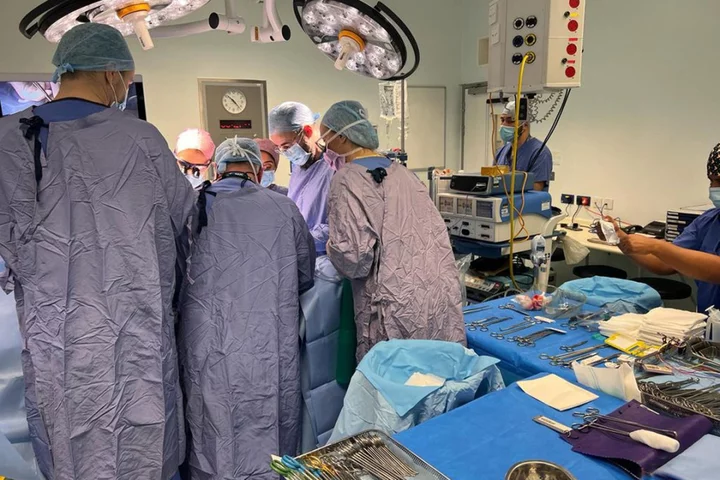
Everything you need to know about the UK’s first womb transplant
The UK’s first womb transplant means that, in future, dozens of women born without a functioning organ can carry babies of their own. – What has happened? Surgeons have performed the UK’s first womb transplant on a 34-year-old woman whose older sister donated the organ to her. In a complex procedure, the medical team removed the womb from the 40-year-old woman and implanted it directly into her sister. Both women have made a good recovery. – Have any babies been born? Not yet. Experts want to be sure the transplant is stable and the womb is functioning fully before the younger woman undergoes IVF. She has stored eight embryos and will have fertility treatment later this year in central London. The woman hopes to have more than one baby. Once she has completed her family, the womb will be removed to prevent her needing immunosuppressant drugs for the rest of her life. – Has the NHS paid for the operation? No. Each womb transplant costs around £25,000 and is fully funded by the charity Womb Transplant UK. This includes payment to the NHS for theatre time and the patient’s stay on a ward. The operations are only carried out at times when the NHS is not using the operating theatre, so they do not impact on usual NHS waiting lists. Surgeons and medical staff involved in the transplant have not been paid for the operation and have given their time freely. – Have other womb transplants been carried out around the world? More than 90 womb transplants have been carried out internationally, with most operations involving a living donor. The first successful womb transplant took place in Sweden in 2014, with the baby – Vincent – born to a 36-year-old woman who described him as “perfect”. In 2000, a transplant was performed on a 26-year-old woman in Saudi Arabia but the donor womb survived for only 99 days due to problems with its blood supply. To date, womb transplants have been carried out in more than 10 countries, including Saudi Arabia, Turkey, Sweden, the US, China, Czech Republic, Brazil, Germany, Serbia and India. – How successful is the operation? Data from the US shows that more than half of women who received a womb through a transplant in the US went on to have successful pregnancies. Between 2016 and 2021, 33 women received womb transplants in the US and, as of last summer, 19 of them (58%) had delivered a total of 21 babies. In 74% of those receiving a womb, the organ was still functioning one year after transplant and 83% of this group had live-born children. – Will there be more transplants in the UK? Yes. The second British womb transplant is scheduled to take place this autumn and experts believe a maximum of 20 to 30 per year could be carried out in the UK in the future. Transplants could help women born without a functioning womb and those who lose their organ to cancer or other conditions. Estimates suggest there are 15,000 women in the UK of childbearing age who do not have a functioning womb. – Will there be a shortage of donor wombs? Womb Transplant UK is running two programmes, one involving living donors and another with organs from people who have died. The living donor programme in the UK has so far focused on women with relatives who are willing to give their wombs. However, the team believes that in the future, the living donor programme will expand to include friends or altruistic living donors. This is currently more common in the US. The use of deceased donors is assessed by the team on a case-by-case basis. Read More Charity boss speaks out over ‘traumatic’ encounter with royal aide Ukraine war’s heaviest fight rages in east - follow live Why are wellbeing experts concerned about the ‘lazy girl job’ trend? How to check for cancer, as Morrisons puts NHS cancer advice in underwear labels Prostate screening ‘could save lives’ – the symptoms and risk factors you need to know
1970-01-01 08:00

Margot Robbie: Some fans weirdly thought Barbie was a horror film
Margot Robbie revealed the "weirdest" 'Barbie' fan theory she heard.
1970-01-01 08:00

Thunderbolts movie is 'not what people are expecting'
The 'Thunderbolts' movie will be different from other films in the Marvel Cinematic Universe (MCU), according to director Jake Schreier.
1970-01-01 08:00

Investors Say They’ll Stick With Gold as Fed Cycle Nears End
Gold isn’t losing its allure, according to a dozen money managers who all told Bloomberg News they expect
1970-01-01 08:00

Snap Appoints India Head, Announces Revamp in Growth Push
Snap Inc. is appointing a former Google executive to lead its India operations as it strives to become
1970-01-01 08:00

Sweden’s Recession Seen Lasting Longer With Households Pressured
Sweden’s economy is facing two years of contraction — more than previously thought — as rising costs force
1970-01-01 08:00

Swiss Tunnel Partially Reopens for Freight Traffic
Switzerland’s Gotthard tunnel partially reopened for freight traffic, easing the bottleneck on a critical trade route across the
1970-01-01 08:00
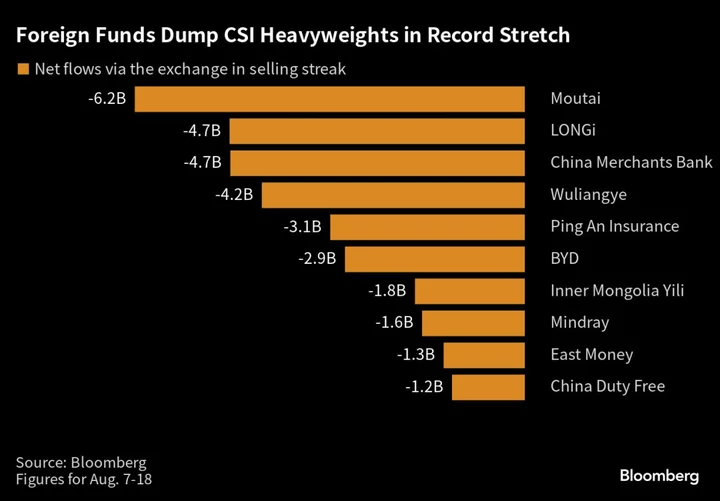
Global Funds Abandon China Blue Chips in $9.3 Billion Selloff
Global investors have been shedding China’s blue-chip stocks in what’s been a record-selling streak, showing even the nation’s
1970-01-01 08:00

Analysis-US bond yields surge despite muted inflation as investors look beyond Fed
By Davide Barbuscia NEW YORK A recent spike in U.S. bond yields has come alongside muted expectations for
1970-01-01 08:00

Hollywood Studios Release Details of Latest Proposal to Writers
Hollywood studios released the details of their contract proposal to film industry’s screenwriters, the latest salvo in their
1970-01-01 08:00