
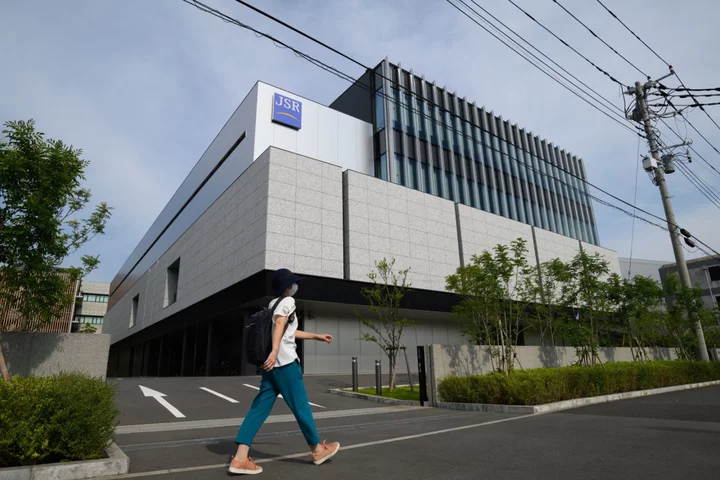
Japan Unveils $6 Billion Deal to Buy Out Chip Linchpin JSR
Japan’s government unveiled a $6.3 billion deal to buy out and privatize JSR Corp., taking direct control of
1970-01-01 08:00

Barcelona complete signing of Man City captain Ilkay Gundogan
Ilkay Gundogan has joined Barcelona on a two-year contract after opting against renewing his Manchester City contract.
1970-01-01 08:00
Japan's top currency diplomat escalates warning against weak yen
By Tetsushi Kajimoto TOKYO (Reuters) -Japan is not ruling out any options in responding appropriately to excessive currency moves, its
1970-01-01 08:00
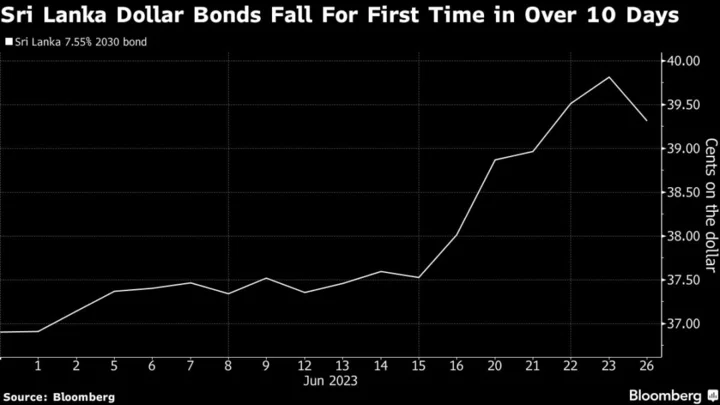
Sri Lanka to Unveil Domestic Debt Restructuring Plan This Week
Cash-strapped Sri Lanka will announce its domestic debt restructuring strategy this week, in a crucial step toward striking
1970-01-01 08:00
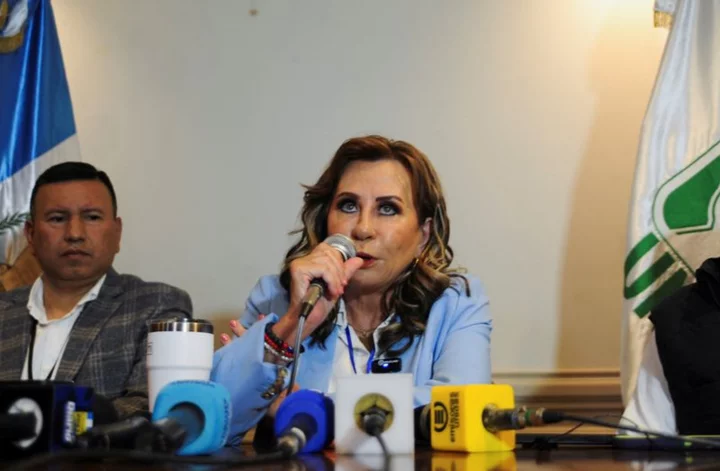
Ex-first lady, anti-graft candidate poised for Guatemala run-off
By Sofia Menchu and Diego Oré GUATEMALA CITY (Reuters) -Former first lady Sandra Torres was headed for an August run-off
1970-01-01 08:00

Sarah, Duchess of York has operation for breast cancer: What to know about mammograms
Sarah, Duchess of York has revealed she is recovering from an operation after being diagnosed with breast cancer during a routine mammogram. Here, the PA news agency looks into who can get a mammogram and what happens. What is a mammogram? A mammogram is a breast x-ray which looks for signs of cancer, according to the charity Breast Cancer Now. How can I get a mammogram? Patients can receive a mammogram to look for cancer that may be too small to see or feel as part of breast screening. Women aged between 50 and 71 are automatically invited for breast screening through their GP practice every three years. Those over the age of 71 can continue to have breast screening every three years by contacting their local screening unit through the NHS website or through their GP. The sooner breast cancer is diagnosed, the more effective treatment is likely to be, reducing the risk of more extensive surgery. Women may also be referred to a breast clinic for a mammogram by their GP if they have symptoms or a breast change that requires investigating. What are the symptoms of breast cancer? The first symptom of breast cancer that most women notice is a lump or an area of thickened tissue in their breast, the NHS website states. Women are advised to see their GP if they experience a new lump or area of thickened tissue in either breast, a change in the size or shape of one or both breasts or fluid discharge from either nipple. Other symptoms include a lump in either armpit or a change in the skin of the breasts, including puckering, scaly or itchy skin, crusting or a rash. How can women check their own breasts? As it is possible for breast cancer to develop in the three years between each mammogram, it is important for women to check their breasts regularly for any signs of cancer, according to the charity Breast Cancer Now. The NHS Breast Screening Programme recommends that women know what is normal for them, to look at their breasts and feel them, to know what symptoms to look for and to report any changes to a GP without delay. To check the breasts, the NHS website recommends looking at them and feeling each breast and armpit up to the collarbone. It may be easier to do this in the shower or bath. Women can also look at their breasts in the mirror both with their arms raised and by their sides. What happens during a mammogram? During a mammogram, a female doctor asks the patient to remove their clothes from the waist up and stand in front of the mammogram machine. The breasts are placed one at a time on the x-ray machine and images of each breast are taken. The scan itself should only take a few minutes, while the whole appointment should take about half an hour, according to the NHS website. The results of the mammogram are sent by post to the patient and their GP. According to Breast Cancer Now, around 4% of women are called back to a breast clinic after routine screening for more tests. While most women recalled will not have breast cancer, the follow-up appointment may involve a breast examination, further scans – such as a mammogram or an ultrasound – or a biopsy – where a small sample of tissue is taken. Breast cancer facts and figures Breast cancer is the most common type of cancer in the UK, and about one in seven women are diagnosed with the disease in their lifetime, according to the NHS website. More than 80% of breast cancers occur in women over 50 and the risk continues to increase with age. Mammograms are not often used in women under 40 as younger women have denser breast tissue, which can make the x-ray image less clear and changes harder to identify, according to Breast Cancer Now. However, for women with a family history of breast cancer, UK guidelines recommend they should start having screening mammograms every year in their forties. Screening prevents an estimated 1,300 deaths from breast cancer each year in the UK, according to Breast Cancer Now.
1970-01-01 08:00
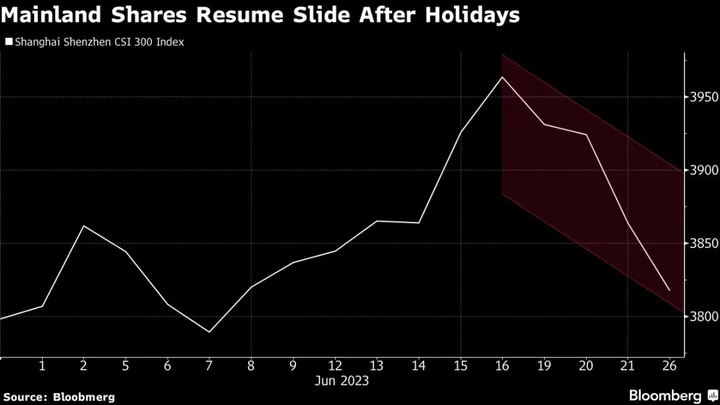
Onshore Chinese Stocks Slide, Playing Catch-Up After Holidays
Chinese stocks declined in catch-up trade as weak holiday spending data added to concerns that the recovery has
1970-01-01 08:00

China Smartphone Shipments Back to Double-Digit Growth in May
China’s smartphone shipments jumped 22.6% in May, accelerating sharply from previous months in a positive sign for the
1970-01-01 08:00
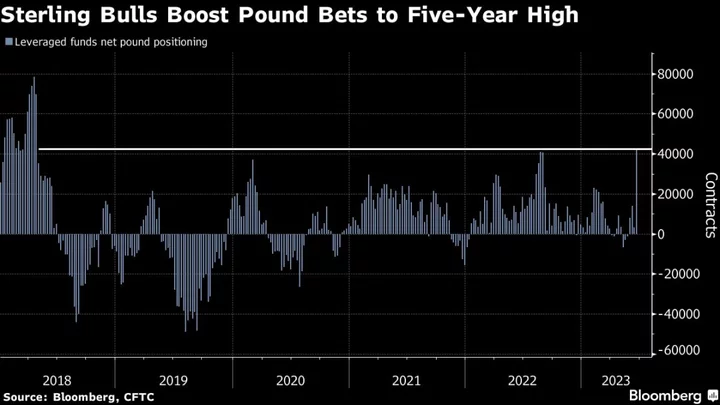
Pound Traders Upped Bullish Bets Ahead of BOE’s Surprise Hike
Speculative traders boosted bullish wagers on the pound to the strongest in more than five years in the
1970-01-01 08:00
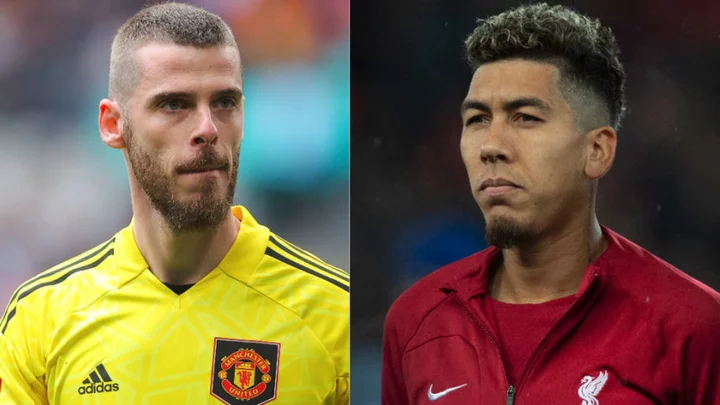
Football transfer rumours: De Gea to lead Man Utd mass exodus; Firmino in Saudi talks
Monday's football transfer rumours include Man Utd manager Erik ten Hag agreeing the departure of up to 11 players, Roberto Firmino, Adrien Rabiot, Lucas Hernandez, Kai Havertz, Luka Modric, Marcelo Brozovic & more.
1970-01-01 08:00

Morgan Stanley’s Wilson Says Stock Risks Have Rarely Been Higher
One of Wall Street’s most bearish strategists said US equities are facing a wall of worry, which could
1970-01-01 08:00

Pro-reform Mitsotakis wins second term in Greek election that sees surge by small far-right parties
Greece's center-right leader Kyriakos Mitsotakis is to be sworn in as prime minister on Monday, hours after easily winning a second term with a record-high margin over the leftwing opposition in an election that also ushered new far-right parties into Parliament. With 99.67% of the vote counted, Mitsotakis' New Democracy party had 40.55% of the vote — more than twice the main opposition Syriza's 17.84%. It was the largest margin of victory in half a century, and slightly expanded ND's 20-percentage-point lead in previous election five weeks before. Held under a new electoral law that boosts the first party, Sunday's vote gives ND a comfortable majority of 158 seats in the 300-member Parliament, with Syriza getting 48. Center-left PASOK elected 32 lawmakers and the Stalinist-rooted Communist Party 20. The remaining 42 seats will be shared between three far-right parties — including one endorsed by a jailed former leader of the defunct, Nazi-inspired Golden Dawn party — and one representing the far-left. Voter turnout was just under 53%, compared to just over 61% in the May vote. Mitsotakis, 55, campaigned on a platform of securing economic growth and political stability as Greece gradually recovers from a nearly decade-long financial crisis. Greek President Katerina Sakellaropoulou is set to formally hand him the mandate to form a government on Monday, after which he will be sworn in and announce his new Cabinet. His main rival, 48-year-old Alexis Tsipras, served as prime minister from 2015 to 2019 during some of the most turbulent years of Greece’s financial crisis. Despite Syriza's dismal performance, Tsipras has shown no inclination to resign, and there have been no open calls from within his party for him to do so. After Sunday's result, Tsipras said Syriza would move on to focus on next year's European parliamentary elections. Mitsotakis, a Harvard graduate, comes from one of Greece’s most prominent political families. His late father, Constantine Mitsotakis, served as prime minister in the 1990s, his sister served as foreign minister and his nephew is the current mayor of Athens. The younger Mitsotakis has vowed to rebrand Greece as a pro-business and fiscally responsible eurozone member. The strategy, so far, has worked. New Democracy won in all but one of the country's 59 electoral regions, capturing traditional Socialist and leftwing strongholds, some for the first time. Despite scandals that hit the Mitsotakis government late in its term, including revelations of wiretapping targeting senior politicians and journalists and a deadly Feb. 28 train crash that exposed poor safety measures in public transport, voters appeared happy to return to power a prime minister who delivered economic growth and lowered unemployment. Read More Ukraine war’s heaviest fight rages in east - follow live Charity boss speaks out over ‘traumatic’ encounter with royal aide
1970-01-01 08:00