
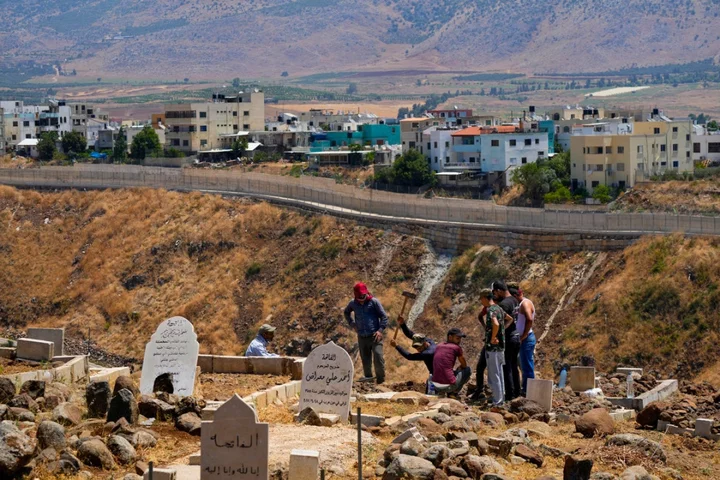
Moves at a small border village hike Israel-Hezbollah tensions at a time of regional jitters
The little village of Ghajar has been a sore point between Israel and Lebanon for years, split in two by the border between Lebanon and the Israeli-occupied Golan Heights. But after a long period of calm, the dispute has begun to heat up again. Israel has been building a wall around the half of the village in Lebanese territory, triggering condemnation from the Lebanese militiant force Hezbollah, accusing Israel of moving to annex the site. A recent exchange of fire in the area raised alarm that the dispute could trigger violence. The growing tensions over Ghajar add to the jitters along the Lebanese-Israeli border, where Israel and Iranian-backed Hezbollah fought a destructive 34-day war in the summer of 2006. The two sides have studiously avoided outright battle ever since, despite frequent flare-ups of tension -- but each constantly says a new conflict could erupt at any time. The dispute over a small village in the green hills where Lebanon, Israel and Syria meet brings a new point of worry amid broader unrest. The West Bank has seen increased bloodshed the past week, with a major two-day offensive that Israel says targeted Palestinian militants. Within Israel, moves by the hard-right government to overhaul the judicial system have sparked large anti-government protests. “This is Lebanese land, not Israeli,” said Lebanese shepherd Ali Yassin Diab, pointing to the half of Ghajar being enclosed by the Israeli wall as he grazed his sheep and goats nearby. Members of the U.N. peacekeeping force UNIFIL watched from a distance. Yassin used to take his herds to drink at a pond there. He now has to buy water for his sheep. The village’s division is an unusual byproduct of the decades of conflict between Israel and its neighbors. Ghajar was once part of Syria but was captured by Israel in the 1967 Mideast war as part of Syria’s Golan Heights, which Israel occupied and later annexed, with little world recognition. In the 1980s and 1990s, Ghajar’s population expanded north into nearby Lebanese territory, held by Israel in its 18-year occupation of southern Lebanon. When Israel withdrew from Lebanon in May 2000, U.N. surveyors delineating temporary borders ruled that Ghajar’s northern part was in Lebanon, its southern part in the Golan, dividing it in two. Six years later, Israeli troops moved into the northern part of Ghajar during the Israel-Hezbollah war. They have occupied it since, preventing people from entering it from Lebanon. Under the truce that ended the 2006 fighting, Israel agreed to withdraw from Ghajar, but it wanted to clinch an arrangement to keep Hezbollah from entering the village. Most of Ghajar’s around 3,000 residents hold Israeli nationality — some of them alongside Lebanese — and they largely identify as Syrians. Last year, Israel started erecting a concrete wall around the northern part of the village. It also began encouraging Israeli tourism to the village. In apparent reply to the near finishing of the wall, Hezbollah set up two tents nearby, including one in the area of Chebaa Farms, which both Israel and Lebanon claim as its territory. It is not clear what is inside the tents. Israel filed a complaint with the United Nations, claiming the tents were several dozen meters (yards) inside of Israeli territory. Hezbollah says the tents are in Lebanese territory. Israeli Foreign Ministry spokesman Lior Haiat told the AP that Israel has turned to UNIFIL and “other countries” to resolve the situation but did not identify the countries and did not immediately comment on the wall in Ghajar. On Monday, UNIFIL’s commander relayed an Israeli request to Lebanon’s caretaker prime minister and parliament speaker to remove the tent. They responded that Israel should withdraw its troops from the Lebanese part of Ghajar, according to Lebanese Foreign Minister Abdallah Bouhabib. Hezbollah leader Sayyed Hassan Nasrallah said in a speech Wednesday night that Israel cordoned off Ghajar before Hezbollah set up its tents. “Over the past days, it became clear that they (Israel) have annexed it,” Nasrallah said. He added: “The land of Ghajar will not be left for Israel, and certainly not Chebaa Farms and Kfar Chouba,” another border area claimed by both countries. A female resident of Ghajar, speaking to the AP on condition of anonymity due to security concerns, said the villagers consider themselves Syrian but their main concern “is to stay in Ghajar, in this village, living in peace and security. No matter under who rules.” “There is a (border) line that was drawn by the United Nations. Why are they allowed to cross it while we as Lebanese citizens cannot?” Mohammed Rammal, the mayor of the nearby Lebanese border village of Oddeissi, said of Israel’s presence in Ghajar. Last week, an anti-tank missile was fired from Lebanon near Ghajar, with some fragments landing in Lebanon and others inside Israeli territory. Israel fired shells on the outskirts of the nearby village of Kfar Chouba. On Wednesday, an explosion elsewhere near the border slightly wounded at least three Hezbollah members. Nasrallah said the case is still under investigation. Late last month, Hezbollah said it shot down an Israel drone flying over a village in southern Lebanon. On Monday, Prime Minister Benjamin Netanyahu met with President Joe Biden’s special envoy for energy, Amos Hochstein, during which they discussed “regional issues,” according to the Israeli prime minister’s office. Some Israeli media said Netanyahu and Hochstein, who helped last year broker a maritime border deal between Israel and Lebanon, discussed tensions along the border with Lebanon. “We continue to monitor and engage with authorities in Lebanon and Israel on the issue of Ghajar,” UNIFIL spokeswoman Kandice Ardiel said. She added that UNFIL has repeatedly called on Israel to stop its works north of the line and that Israel’s occupation of northern Ghajar violates the U.N. Security council resolution that ended the 2006 war. Israel considers Hezbollah its most serious immediate threat, estimating it has some 150,000 rockets and missiles aimed at Israel. During a tour by an Associated Press team near Ghajar this week, more patrols by U.N. peacekeepers and Lebanese army along the border were visible. Residents in nearby villages appeared defiant and going on with life as usual during the summer season, when many expatriates come to spend time with their families. In Lebanese media, many analysts say neither side wants a new war. But Lebanese political analyst Faisal Abdul-Sater warned that the situation is very dangerous as Israel and Hezbollah are on alert. “Whoever fires the first shot will bear the responsibility for the consequences,” he said. ___ AP correspondent Josef Federman contributed to this report. Read More Ukraine war’s heaviest fight rages in east - follow live Charity boss speaks out over ‘traumatic’ encounter with royal aide AP Week in Pictures: Europe and Africa Stock market today: Asian shares buoyed by Wall Street's winning week as inflation eases For a group of Ukrainian women, painting is a form of therapy to help them cope with loss
1970-01-01 08:00

Fed's rate hike lags are about to bite: McGeever
By Jamie McGeever ORLANDO, Florida (Reuters) -For the Fed and the U.S. economy, the hard bit starts now. Depending on
1970-01-01 08:00

Russia's Putin snubs Prigozhin, Biden quips about poison
By Guy Faulconbridge MOSCOW (Reuters) -Russian President Vladimir Putin offered Wagner mercenaries the opportunity to keep fighting at a meeting
1970-01-01 08:00
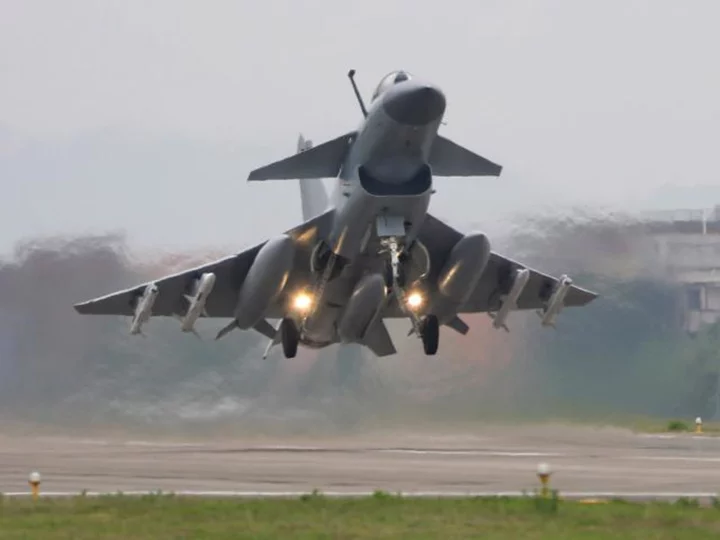
Chinese military's three-day show of force increases headache for Taiwan
China's military has been on a surge of activity around Taiwan this week, sending dozens of warplanes past the median line of the Taiwan Strait and into the key regions of the island's air defense identification zone (ADIZ).
1970-01-01 08:00
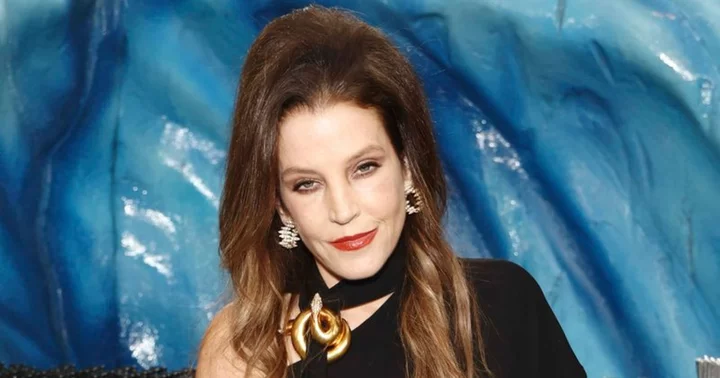
What are Buprenorphine and Quetiapine? Medical examiner reveals cocktail of drugs found in Lisa Marie Presley’s system when she died
Lisa Marie Presley died at 54 years of age due to medical complications that arose from a weight-loss surgery she had years ago
1970-01-01 08:00
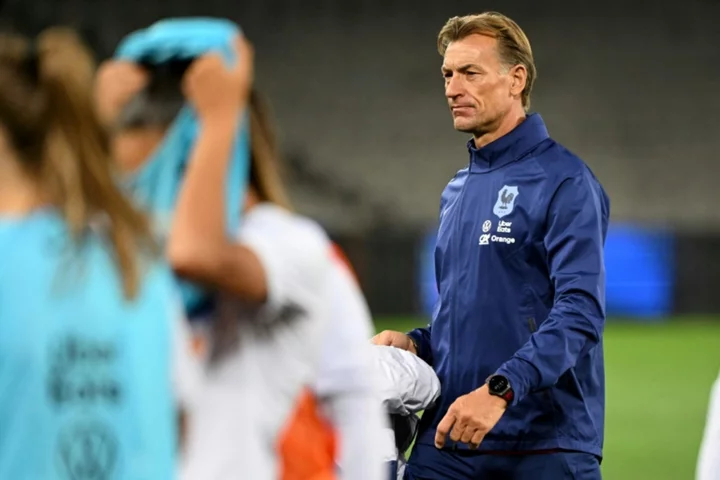
France emerge from turbulent times with World Cup hopes renewed
The great underachievers in women's international football, France are hoping a late move to appoint Herve Renard as coach can make them genuine contenders at the World Cup after a turbulent few...
1970-01-01 08:00

Football: Women's World Cup Group F
The FIFA Women's World Cup in Australia and New Zealand kicks off...
1970-01-01 08:00
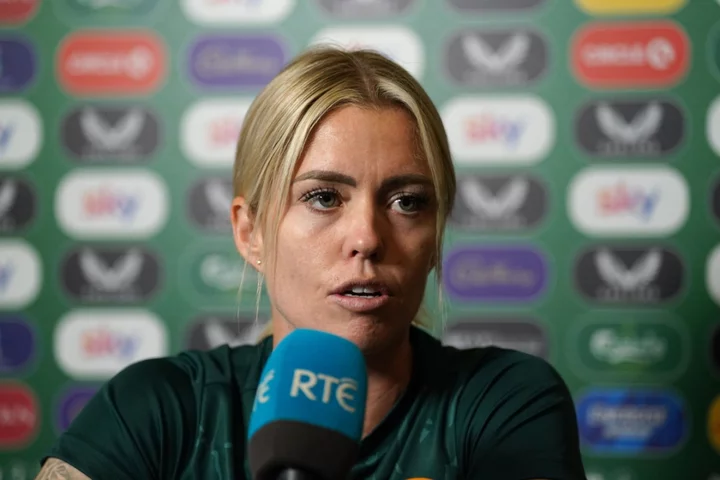
Denise O’Sullivan not shying away from Republic’s momentous World Cup debut
Republic of Ireland midfielder Denise O’Sullivan is less than a week away from making her World Cup debut in front of more than 80,000 people – but confesses it was perhaps the fanfare-filled Knocknaheeny farewell in front of far fewer that will ultimately prove the more intimidating atmosphere. O’Sullivan’s name will go down in history as one of the 23 women who were chosen to represent the Girls in Green at their maiden World Cup in Australia and New Zealand, where they will take on the Matildas in their July 20th tournament opener at Sydney’s sold-out Stadium Australia. When the North Carolina Courage captain steps onto the pitch in front of that cauldron of Aussie support she will particularly feel the absence of a few familiar faces in the crowd. Though her family was unable to make the trip, they did their best to compensate with a spectacular home send-off in front of the hundreds who descended on her mum’s house and decorated the neighbourhood to wish her luck. O’Sullivan said: “I was mortified, but it was class to be fair. A few weeks before that I got permission from (manager) Vera (Pauw) just to go home to see the family because unfortunately, they weren’t coming over here to the World Cup. “The minute I told them that, they were organising something and I knew it! But I didn’t know they were organising to that extent, to be quite honest – band and everything. “Rappers, bands, oh my goodness. It was mad. My family have always been a great support and you can see what football does. It just brought the whole community and everyone together that night to support me. It was a great send off.” O’Sullivan, 29, was speaking at Brisbane’s Meakin Park a few days before the Republic’s final friendly against Colombia. Group B encounters with Olympic champions Canada and Nigeria follow the opener against FIFA world no 10 Australia, with the top two from each group advancing to the last-16 knockout round. The long journey is now behind Vera Pauw’s squad, who have been adjusting to the nine-hour time difference through a strict training regimen of shifting start times. On Wednesday, they hosted an open session and invited local Irish fans to watch the team in action. Those kids in the crowd sporting tiny green kit – whether in Queensland or Cork – are what motivate O’Sullivan to keep going. She said: “In that field where I was that night with my family and everyone, that’s where I grew up playing football. That’s where I played street football with my brothers and all the boys. That night, I was there signing autographs for kids sitting in that same field, so just to look forward and look how far I’ve come and what I’m doing now. “Look, I have a platform to inspire people and I think that’s what this team is doing. I want to leave this green shirt in the best condition I can for when I’m about to retire – not anytime soon [laughs], but that’s definitely what it’s all about. It’s about inspiring the next generation.” O’Sullivan was just a young girl herself when father John brought her to a bar early in the morning to watch the Republic face Germany in the 2002 World Cup, when Robbie Keane scored his historic equaliser in the second minute of stoppage time. In 2016, O’Sullivan, who was preparing to move to America to play for Houston Dash, lost her beloved dad just five weeks after he was diagnosed with cancer. Her World Cup debut is the realisation of a long-held dream shared by them both. She added: “He was the biggest supporter for me in my journey to get to where I am. Obviously, to have him here would be a dream but I know he’s looking down. He’s proud anyway. He pushed me along the way to get to where I am today.” Read More Charity boss speaks out over ‘traumatic’ encounter with royal aide Ukraine war’s heaviest fight rages in east - follow live Rory McIlroy returns to Hoylake looking to end nine-year major drought at Open From Lauren James to Sam Kerr – Players set to light up Women’s World Cup 5 talking points ahead of the Women’s World Cup
1970-01-01 08:00
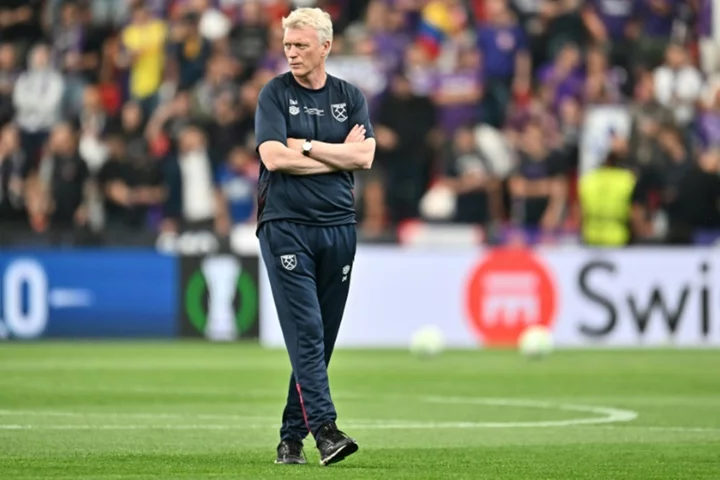
Moyes says West Ham 'can't plan anything' as Rice move drags on
Frustrated West Ham coach David Moyes has lamented Declan Rice's drawn-out move to Arsenal, saying Friday he "can't plan anything" until...
1970-01-01 08:00
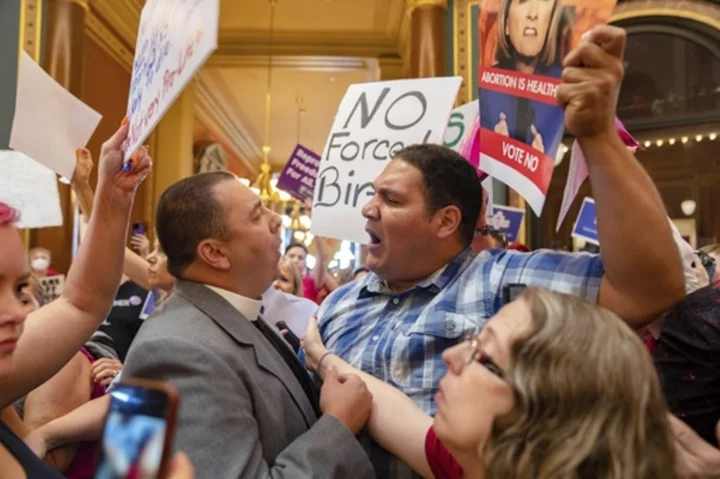
Iowa's restrictive abortion measure faces legal challenge as governor prepares to sign it into law
An Iowa judge will consider a request to postpone the state’s new ban on most abortions after about six weeks of pregnancy, just as Gov. Kim Reynolds is scheduled to sign the measure into law
1970-01-01 08:00
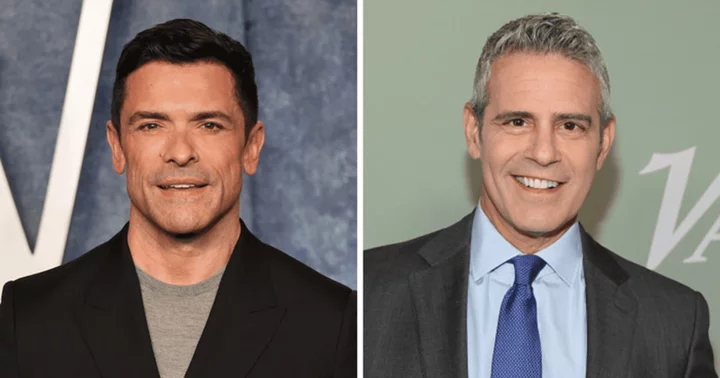
Andy Cohen wants to know if it's OK to bathe with his daughter in bizarre conversation with Live's Mark Consuelos
Andy Cohen turns to 'Live' host Mark Consuelos for parenting advice, asks if bathing with his one-year-old daughter, Lucy, is 'weird'
1970-01-01 08:00
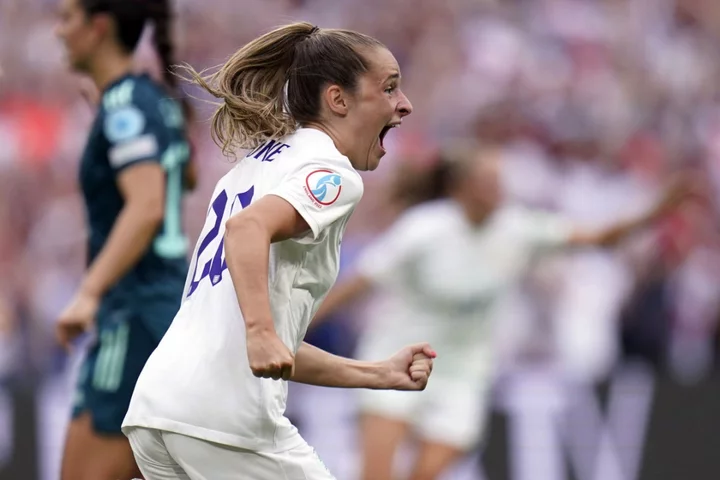
England’s Ella Toone chasing winning feeling after Euro 2022 ‘pinch-me moment’
Ella Toone says her superb goal helping England triumph in the Euro 2022 final is “still a pinch-me moment” – and the kind of feeling she wants more of as she heads into her first World Cup nearly a year on. Substitute Toone opened the scoring in the Wembley showdown against Germany with a wonderful lofted effort en route to the 2-1 victory that gave the Lionesses their first ever major trophy. The 23-year-old Manchester United midfielder told the PA news agency: “It’s still a pinch-me moment – I still sometimes don’t think it’s sunk in. “But the best feeling I’ve had in football, and one that I want to make sure I have over and over again. “I’ve had that feeling of what winning is like and I definitely want to make sure that throughout my career I make sure I win more trophies.” Toone is now preparing for the World Cup in Australia and New Zealand that gets under way next Thursday, with Sarina Wiegman’s team opening their campaign two days later by facing Haiti in Brisbane. Having come off the bench in each match during the Euros – most often for Fran Kirby, who has been ruled out of the World Cup by a knee injury – Toone has started 10 of 12 England fixtures since, and been a key member of a United outfit that achieved club-best finishes as runners-up in the Women’s Super League and FA Cup. On her potential role at this tournament, Toone said: “I’m not putting too much pressure on myself and I’ll make sure whatever role Sarina asks of me I give 100 per cent, whether that’s starting or coming off the bench, I’ll make sure I’m ready for that. “I think since the Euros I’ve just wanted to keep improving as a player and keep working hard. “I know I have a lot of stuff that I need to keep working hard on, but I’m definitely ready to get out onto the world stage. It’s something I’ve dreamed of as a little girl, so I need to make sure I enjoy every minute of it.” Somebody Toone has had alongside her for the highs of the past year at international and club level, and many experiences prior to that, is Alessia Russo, the player she describes as her “best friend”. I'm definitely ready to get out onto the world stage. It's something I've dreamed of as a little girl. Ella Toone Striker Russo, another effective England substitute last summer that has been a regular starter since, is no longer Toone’s United team-mate, having left to join Arsenal earlier this month. Regarding Russo’s departure from United, Toone said: “I think for both of us our focus is on the World Cup and stepping out there together, hopefully playing there together. “It is what it is. It’s football and people move on. No matter what, I know we will be friends for life. Whatever Alessia does I want her to do the best in.” The pair have known each other for some time, with Toone saying: “We started our journeys off aged 14 at England camps, we went through all the age groups together, and then we stepped out at the Euros together and won that. “We lived together for a bit, it was more in Covid times. We couldn’t get rid of each other! “It makes it 100 per cent better – not many people can say they’ve achieved some of the best things in life with their best friends. “So it’s definitely been nice to share all those special memories together, and to see where we were and where we’re at now and what we’ve achieved is amazing.” After starting their bid for World Cup glory with the Haiti match, England – also without skipper Leah Williamson and Beth Mead at the tournament due to ACL injuries – will face Denmark and then China in Group D. “I think for us it’s going out there, inspiring the next generation and making the nation proud,” Toone said. “We know we have a big target on our backs after the summer but we thrive off that pressure and we’ll just make sure we go out there, enjoy ourselves and believe in ourselves and see what happens.” Read More Charity boss speaks out over ‘traumatic’ encounter with royal aide Ukraine war’s heaviest fight rages in east - follow live Novak Djokovic looks to hold off new generation on men’s semi-final day Ireland’s Kathryn Dane happy to ‘see all the light’ after recovering from stroke England seamer Ollie Robinson says he is ‘100 per cent fit’ for fourth Test
1970-01-01 08:00