

Danish Regulator Orders Saxo Bank to Stop Own Trading in Crypto
Denmark’s financial watchdog ordered Saxo Bank to dispose of its own holdings of cryptoassets, saying banks aren’t allowed
1970-01-01 08:00
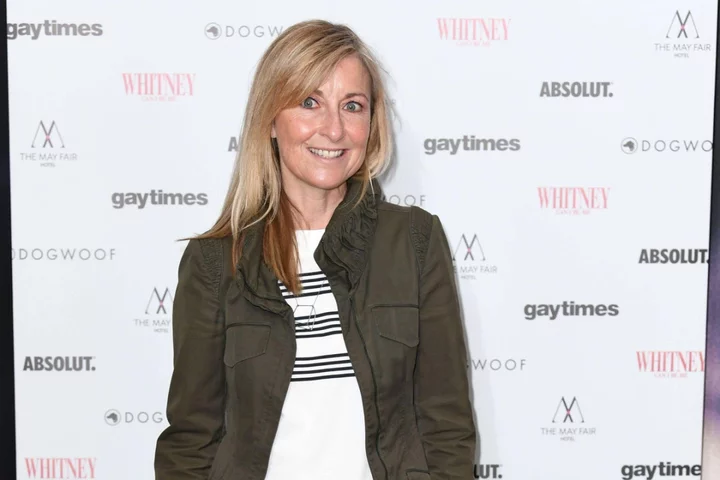
Fiona Phillips Alzheimer’s diagnosis at 62: 7 ways to reduce your risk
TV presenter Fiona Phillips has revealed she has been diagnosed with Alzheimer’s disease at the age of 62. The presenter and Daily Mirror columnist said the disease has “ravaged” her family and she had long feared being given the diagnosis. According to the Mirror, Phillips was diagnosed more than a year ago and is undergoing trials for a new drug that could slow the effects of the disease. Phillips, who is an Alzheimer’s Society ambassador, told the Mirror: “This disease has ravaged my family and now it has come for me. “And all over the country there are people of all different ages whose lives are being affected by it – it’s heartbreaking. “I just hope I can help find a cure which might make things better for others in the future.” As well as her column in the national newspaper, Phillips anchored GMTV for more than a decade from 1997. She also competed in the BBC’s Strictly Come Dancing in 2005. She is married to Martin Frizell, editor of ITV’s flagship programme Good Morning Britain. Phillips told the Mirror that, despite fearing she would one day be diagnosed with Alzheimer’s, the news was still a “gut-punching, shuddering shock”. The presenter said she feels “more angry than anything else” due to the disease having already affected her family life. “My poor mum was crippled with it, then my dad, my grandparents, my uncle. It just keeps coming back for us,” she said. Though she previously kept the news private, Phillips said she has decided to share her story to help end the stigma around Alzheimer’s. “There is still an issue with this disease that the public thinks of old people, bending over a stick, talking to themselves,” she said. “But I’m still here, getting out and about, meeting friends for coffee, going for dinner with Martin and walking every day.” She is taking part in clinical trials at University College Hospital in London, which aim to revolutionise future treatment. Hilary Evans, chief executive of Alzheimer’s Research UK, said: “We’re sending our love and support to Fiona and her family following her announcement that she’s living with Alzheimer’s disease. “Fiona’s been a friend of Alzheimer’s Research UK for well over a decade, and her support has shone such a valuable spotlight on the importance of research in overcoming the diseases that cause dementia. “There are around 70,800 people with dementia in the UK who, like Fiona, are under 65 and we’re determined to find a cure to end the heartbreak it causes.” It is thought at least five in every 100 people with Alzheimer’s are under 65. Though this figure may be higher, as it can be more difficult to get an accurate diagnosis at a younger age. So, is there anything you can actually do to help prevent dementia? 1. Stop drinking fizzy drinks Drinking too much coke or lemonade could increase your chances of developing dementia. People who consume the highest amounts of ultra-processed foods, like fizzy drinks and chocolate, may have a higher risk of developing dementia than those who eat the lowest amounts, a study by Huiping Li, of Tianjin Medical University in China, published in the Neurology journal, has indicated. 2. Say no to UPFs Sadly, lots of our go-to ingredients like sausages, ketchup and baked beans are highly processed, making them a risk-factor if consumed too frequently. Li, the author of the study, said: “These foods may also contain food additives, or molecules from packaging or produced during heating, all of which have been shown in other studies to have negative effects on thinking and memory skills. “Our research not only found that ultra-processed foods are associated with an increased risk of dementia, it found replacing them with healthy options may decrease dementia risk.” 3. Reduce your treats Too much chocolate and things like biscuits aren’t good for you, because they are highly processed and sugary. In fact, according to the study, for every 10% increase in daily intake of ultra-processed foods, people had a 25% higher risk of dementia. So, even just having a few extra biscuits or chocolates at work each day can heighten your risk. 4. Keep moving We all know being slumped at a desk, staring at a screen all day, isn’t great for your health, but it turns out sedentary jobs actually increase your risk of getting dementia. Dr Sara Imarisio, head of strategic initiatives at Alzheimer’s Research UK, said: “Our brains are incredibly complex, responsible for our memory, as well as what we think, feel and do. “Keeping our brains healthy as we age can help stave off diseases like Alzheimer’s, which physically attack brain cells, tearing away at the very essence of who we are. “We know that being physically and socially active can help us feel happier, healthier and more positive in general. “Lifting weights and running marathons aren’t for everyone, but there are many ways that we can stay physically active in our lives.” Noting more research published in the Neurology Journal, by Huan Song of Sichuan University in China, Imarisio continued: “This self-reported study adds to evidence that finding something you can stick to, that keeps you physically and socially active, is likely to have the greatest benefit to your health, rather than the activity itself. “The researchers found that even people with a high genetic risk for Alzheimer’s, the most common cause of dementia, could benefit from keeping physically active.” 5. Make an effort to see family and friends Social interaction is a really important way to keep your brain sharp and reduce your risk of dementia. If you avoid it, you are risking your health. According to Song’s research, people who were highly engaged in activity patterns, including frequent exercise and daily visits of family and friends, had 35% and 15% lower risk respectively, compared with people who were the least engaged. 6. Do the chores According to the same study, carrying out household chores is associated with a 21% reduced risk of dementia. Perhaps just increasing your brain activity a little, even just by washing up or changing your sheets, can help keep your mind active. 7. Play an instrument According to several studies, musicians are 64% less likely to develop mild cognitive impairment or dementia. So, if you’ve ever fancied playing the piano, guitar or ukulele, now’s the time – it’s never too late to learn something new. Read More Charity boss speaks out over ‘traumatic’ encounter with royal aide Ukraine war’s heaviest fight rages in east - follow live 7 popular destinations that will soon be in London’s ULEZ Kate’s best Wimbledon looks, as she steps out in retro outfit for the tennis How tennis could be harming your body – and why it does you good
1970-01-01 08:00

Man Utd complete signing of Mason Mount from Chelsea
Manchester United have confirmed the signing of Mason Mount from Chelsea. The England midfielder joins for an initial £55m that could rise to £60m if add-ons are met.
1970-01-01 08:00

McKinsey Adds to Warnings of Clean-Energy Metals Shortages
McKinsey & Co. joined the growing chorus warning that metals considered key to the clean-energy transition face shortages
1970-01-01 08:00

UPS Drivers Head Toward Possible Strike After Labor Talks Fail
More than 300,000 United Parcel Service Inc. workers hurtled toward a strike after the company failed to reach
1970-01-01 08:00
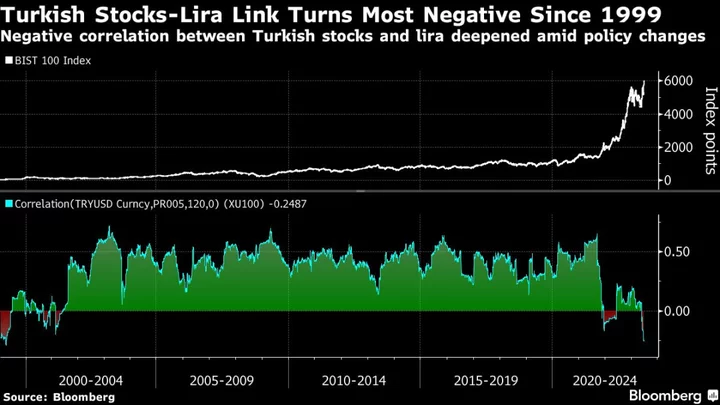
Turkey Lira, Stocks Decouple as Orthodoxy Turns Double-Edged
Turkey’s currency and stocks have decoupled from each other by the most in a quarter century as local
1970-01-01 08:00

Ransomware Attack Hits Japan’s Biggest Port, Delaying Cargo
Japan’s biggest maritime port was crippled by an alleged Russian cyberattack, disrupting cargo as operators rushed to prevent
1970-01-01 08:00

OBS Group Nearing Deal for Bayer Pharma Assets in Pakistan, Sources Say
Pakistan’s OBS Group is nearing a deal to acquire pharmaceutical assets in the country from Bayer AG, according
1970-01-01 08:00

Tesla Tests the Limits of Elon Musk’s Minimal Model Strategy
There was a lot to like in Tesla Inc.’s latest quarterly numbers. The carmaker delivered roughly 18,000 more
1970-01-01 08:00
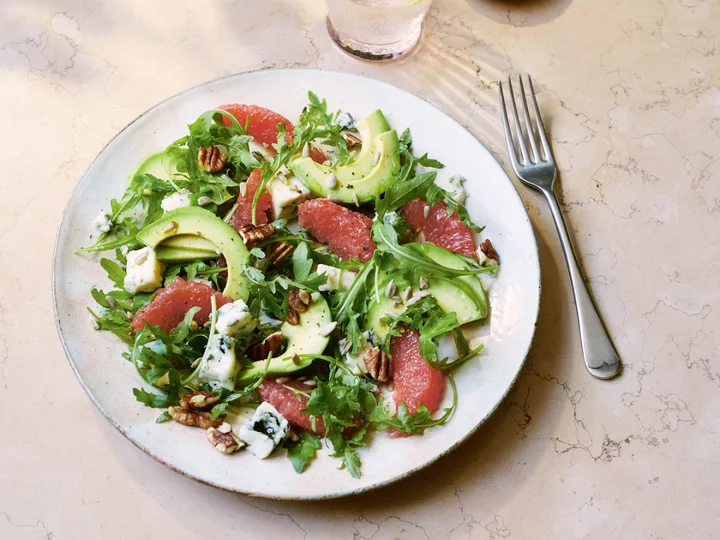
Simple summer salads: Roquefort, rocket and pink grapefruit
As colourful in nutrients as it is in appearance, this easy-to-construct salad is a powerhouse of goodness!” says functional nutritionist Pauline Cox. Roquefort, rocket and pink grapefruit salad Makes: one salad Ingredients: 90g rocket 100g Roquefort (ideally raw), cut into chunks 1 ripe avocado, peeled, stoned and sliced 2 pink grapefruits, segmented A drizzle of raspberry blush vinaigrette A handful of chopped fresh coriander A handful of pecans, chopped A handful of sunflower seeds For the vinaigrette: 100g raspberries (10-12 juicy raspberries) 60ml extra virgin olive oil Juice of 1 lime 20ml balsamic vinegar 20ml beet kvass (optional, but ideal) 1 tsp salt (ideally beetroot salt) Method: 1. To make the vinaigrette, add all of the ingredients to a blender and combine. Transfer to a clean glass jar with a lid, keep in the fridge and use within three days. 2. Lay the rocket leaves onto two plates, adding chunks of Roquefort, slices of avocado and pink grapefruit segments, and drizzle over the raspberry blush vinaigrette. 3. Sprinkle over the chopped coriander, pecans and sunflower seeds. ‘Hungry Woman’ by Pauline Cox (Ebury Press, £27). Read More Ditch Deliveroo – make these healthy, 30-minute pizzas instead Three quick and easy vegan fakeaway recipes The dish that defines me: Eddie Huang’s Taiwanese beef noodle soup Nutritionist explains how women can eat to help balance hormones How to make protein pancakes without flour The only three recipes you need to seize the summer
1970-01-01 08:00

Exxon’s Meager Bonuses Make Attracting More Traders Difficult
Exxon Mobil Corp.’s ambitious expansion in trading is running into a thorny issue: whether or not to pay
1970-01-01 08:00

Yellen China Visit Seeks to Usher In More Talks Amid Tensions
US Treasury Secretary Janet Yellen visits China this week with the goal of finding areas of common economic
1970-01-01 08:00