

Regular napping could be good for brain health, research suggests
Regular daytime naps could be good for brain health, new research suggests. Daytime napping could slow the rate at which brains shrink as we age, the study led by researchers at UCL and the University of the Republic in Uruguay found. The researchers hope their findings into the health benefits of sleeping during the day will reduce any stigma that still exists around daytime napping. The study suggests the average difference in brain volume between people programmed to be habitual nappers and those who were not was equivalent to 2.6 to 6.5 years of ageing. Our findings suggest that, for some people, short daytime naps may be a part of the puzzle that could help preserve the health of the brain as we get older Dr Victoria Garfield, UCL Senior author Dr Victoria Garfield, MRC Unit for Lifelong Health & Ageing at UCL, said: “Our findings suggest that, for some people, short daytime naps may be a part of the puzzle that could help preserve the health of the brain as we get older.” The study, published in the journal Sleep Health, analysed data from people aged 40 to 69. Past research has suggested people who have had a short nap perform better in cognitive tests in the hours afterwards than those who did not nap. The new study looked at whether there was a causal relationship between daytime napping and brain health. Researchers looked at 97 snippets of DNA thought to determine people’s likelihood of habitual napping. They compared measures of brain health and cognition of people who are more genetically programmed to nap with people who did not have these changes in DNA, using data from 378,932 people from the UK Biobank study. They found that, overall, people predetermined to nap had a larger total brain volume. The genetic variants – DNA changes – influencing the likelihood of someone to nap were identified in an earlier study looking at data from 452,633 UK Biobank participants. But the researchers did not find a difference in how well those programmed to be habitual nappers performed on three other measures of brain health and cognitive function. Lead author and PhD candidate Valentina Paz, University of the Republic (Uruguay) and MRC Unit for Lifelong Health & Ageing at UCL, said: “This is the first study to attempt to untangle the causal relationship between habitual daytime napping and cognitive and structural brain outcomes. “By looking at genes set at birth, Mendelian randomisation avoids confounding factors occurring throughout life that may influence associations between napping and health outcomes. “Our study points to a causal link between habitual napping and larger total brain volume.” Garfield added: “I hope studies such as this one showing the health benefits of short naps can help to reduce any stigma that still exists around daytime napping.” Read More Charity boss speaks out over ‘traumatic’ encounter with royal aide Ukraine war’s heaviest fight rages in east - follow live Dramatic rise in the number of women freezing their eggs 9 glorious gardens to visit this summer How to keep flying insects out of your home
1970-01-01 08:00

EU Climate Chief Fears Green Deal Risks Hit From ‘Culture Wars’
The European Union’s landmark green deal is at risk of being dragged into the “culture wars,” said the
1970-01-01 08:00

Morocco country profile
Provides an overview of Morocco, including key dates and facts about this north African country.
1970-01-01 08:00

Morocco media guide
An overview of the media in Morocco, including links to broadcasters and newspapers.
1970-01-01 08:00

Dramatic rise in the number of women freezing their eggs
There has been a dramatic rise in the number of women freezing their eggs in the UK, while more single people are now opting for IVF, new figures show. A report from the Human Fertilisation and Embryology Authority (HEFA) found that more people than ever before are undergoing procedures, with egg and embryo freezing now the fastest growing fertility treatments in the UK. Egg freezing and storage increased from 2,576 cycles in 2019 to 4,215 in 2021 (a 64% rise), while embryo storage also rose. Some experts have said the Covid-19 pandemic had a big impact on the numbers of women wanting to freeze their eggs in the hope of preserving their fertility. Restrictions on socialising may have prompted some women to think more about their fertile window, and decide to try to increase their reproductive choices Sarah Norcross, Progress Educational Trust Sarah Norcross, director of the Progress Educational Trust, said of the latest data: “The dramatic rise in the number of egg freezing cycles could be linked to the pandemic. “Restrictions on socialising may have prompted some women to think more about their fertile window, and decide to try to increase their reproductive choices.” The HFEA data also shows there was a 10% rise in IVF and donor insemination cycles between 2019 and 2021 (around 7,000 more cycles). Meanwhile, the average age at which women have fertility treatment with IVF has risen – to 36. This compares to an average age of almost 31 for women who conceive naturally. The regulator’s report shows that patients in heterosexual relationships accounted for around 90% of all IVF patients in 2021. Meanwhile, the number of IVF patients in female same-sex relationships increased from 1,649 in 2019 to 2,201 in 2021 (a 33% rise) and single parents rose from 2,001 in 2019 to 2,888 in 2021 (a 44% rise). This means that single patients and patients in female same-sex relationships had the biggest increase in IVF use from 2019 to 2021. When it comes to success in getting pregnant using own eggs, the average overall IVF pregnancy rate using fresh embryos increased from 10% per embryo transferred in 1991 to 29% in 2021. Patients aged 18 to 34 had the highest pregnancy rate per embryo transferred at 41% in 2021. Meanwhile, pregnancy rates per embryo transferred increased from 8% in 1991 to 33% for patients aged 35 to 37, and was 25% for patients aged 38 to 39 in 2021. For patients aged 40 to 42, the pregnancy rate per embryo transferred increased from 6% in 1991 to 16% in 2021. Our report shows that the average age of IVF patients has increased to 36, around five years older than mothers who get pregnant naturally and these aftershocks could mean that the average age of an IVF patient continues to rise Julia Chain, HFEA For patients aged 43 to 50, the pregnancy rate per embryo transferred increased from 1% in 1991 to 6% in 2021. Live birth rates per embryo transferred have increased from 7% in 1991 to 25% in 2021 for patients aged 35 to 37 and from 6% in 1991 to 17% in 2021 for patients aged 38 to 39. For those aged 40 to 42, the live birth rate per embryo stands at 10%, but plummets for women aged 43 and over. Meanwhile, the average IVF pregnancy rate using frozen embryo transfers has increased from around 7% in the 1990s to 36% in 2021. The average IVF birth rate using frozen embryo transfers also increased from around 6% in the 1990s to 27% in 2021. Julia Chain, chairwoman of the HFEA, said: “Overall, the new HFEA report paints a promising picture. It shows treatment numbers are back at pre-pandemic levels and thanks to improved clinical and laboratory practice, over time pregnancy rates are increasing. “Despite the pandemic being declared officially over, the aftershocks are still being felt as delays across other areas of healthcare prevent some patients accessing fertility services. “Our report shows that the average age of IVF patients has increased to 36, around five years older than mothers who get pregnant naturally and these aftershocks could mean that the average age of an IVF patient continues to rise. “Although pregnancy rates have increased, the likelihood of success decreases with age. “For some patients, this may mean they never get the baby they hoped for and that’s heartbreaking.” More patients than ever before are paying privately for IVF. The number of IVF cycles funded by the NHS continued to vary across the UK with an overall 16% decrease to 20,000 cycles in 2021 from around 24,000 in 2019.
1970-01-01 08:00
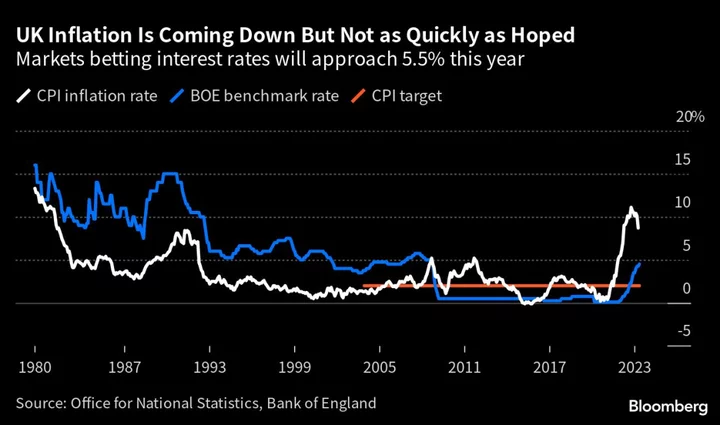
UK Food Price Inflation Shows Signs of Easing in Two Surveys
UK food price inflation may have passed its peak, with two separate surveys showing an improvement. The market
1970-01-01 08:00

Google Seeks Suppliers to Move Some Pixel Production to India
Alphabet Inc.’s Google is scouting for suppliers in India to assemble its Pixel smartphones as it borrows from
1970-01-01 08:00

UBS to Face Fresh Penalties Over Credit Suisse’s Archegos Fiasco
UBS Group AG faces hundreds of millions of dollars in regulatory fines over Credit Suisse Group AG’s dealings
1970-01-01 08:00

Australia minister calls on end-consumers to underpin critical minerals investment
By Melanie Burton MELBOURNE Automakers and other consumers of critical minerals should invest in Australia's materials processing industry
1970-01-01 08:00

Puntland media guide
An overview of the media in Puntland, as well as links to broadcasters and newspapers.
1970-01-01 08:00

German shares lead falls in Europe as Lanxess plunges
German stocks led the decline among European peers on Tuesday as shares of speciality chemicals maker Lanxess plunged
1970-01-01 08:00

Busted are working on a new song
'What I Go To School For' pop rockers Busted are working on brand new music ahead of their 20th anniversary tour.
1970-01-01 08:00