Vitamin D intake ‘may reduce cancer mortality in the population by 15%’ – study
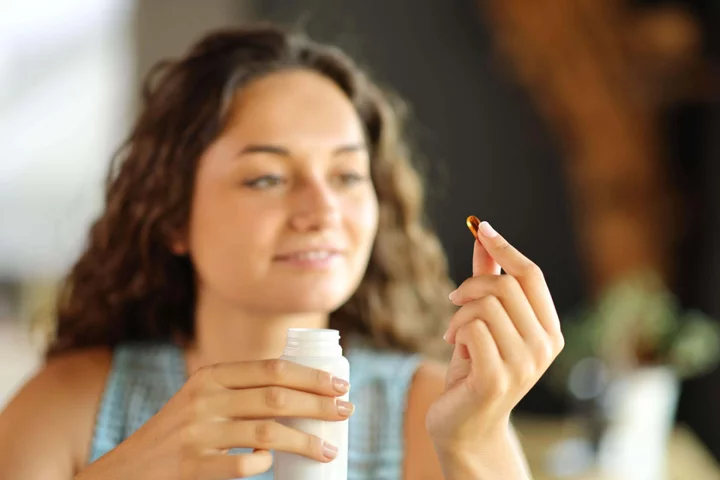
Taking regular Vitamin D supplements may reduce cancer deaths in the population by 15%, according to scientists. Data gathered from the UK Biobank, an online database of medical and lifestyle records of around 500,000 Britons, indicates vitamin D deficiency is linked to an increased cancer mortality risk – particularly in relation to bowel, stomach, prostate, and lung cancers. The researchers said their work, published in Elsevier’s European Journal of Cancer, adds to evidence that vitamin D may have a protective effect against cancer. While the findings do not explain why this happens, the team said one possibility is that vitamin D supplements may induce anti-inflammatory, antioxidant, and DNA damage repair mechanisms, which can thwart mutations that allows tumours to grow. Study author Ben Schottker, an epidemiologist at the German Cancer Research Centre, said: “Our findings identified a statistically significant relationship between vitamin D deficiency and increased mortality among several cancers. “These results can be explained by other studies, which found mechanisms by which vitamin D inhibits cancer growth and metastasis.” The NHS advice is that adults and children over four take a daily supplement containing 10 micrograms of vitamin D throughout the year. According to the Department of Health and Social Care, around one in six adults and almost 20% of children in the UK have vitamin D levels lower than government recommendations. Older people, the housebound and people from black and South Asian communities are more likely to have lower levels of vitamin D. Our findings identified a statistically significant relationship between vitamin D deficiency and increased mortality among several cancers Ben Schottker For the study, the researchers looked at data from more than 400,000 people aged 40–69. In-depth medical information was gathered through blood, urine and saliva samples. A short interview and a questionnaire as used to assess vitamin D consumption as well as lifestyle factors such as alcohol consumption, smoking. Follow-up data on health outcomes were gathered through NHS links as well as care data, cancer screening data, and disease-specific registers. Over a period of nearly 13 years, close to 13,000 people died of cancer. Results showed a majority of the study population had either vitamin D deficiency (21.1%) or insufficiency (34.4%) – used to describe low levels of vitamin D. Of the people involved in the study, only 4.1% regularly took a vitamin D supplement and 20.3% regularly took a multivitamin. Results showed that vitamin D supplement users had 15% lower total cancer mortality and 25% lower lung cancer mortality compared to those who did not take the supplement. The also found researchers found that those with vitamin D deficiency had 42% increased mortality for stomach, 27% for bowel, 24% for lung, and 36% for prostate cancers. Meanwhile those with vitamin D insufficiency were found to have 14% increased bowel cancer mortality and 19% increased lung cancer mortality. The scientists said that the potential to reduce cancer mortality by vitamin D supplementation in populations with low levels should be further explored in new research. Commenting on the study, Dr Jenna Macciochi, senior lecturer in immunology at the University of Sussex, said: “This study adds to the growing body of evidence on vitamin D and cancer. “Vitamin D plays multiple key roles in immune health and the immune system is part of the body’s cancer defence system. “With cancer rates rising and presenting a serious public health issue, its useful to have further insight into the role of vitamin D in the prevention of cancer.” But Dr Macciochi also cautioned that the Biobank data might not be diverse and representative of the whole of the UK population. Alex Ruani, doctoral researcher at University College London and chief science educator at The Health Sciences Academy – who was not involved in the study, said that the exact dosage taken by participants was not ascertained and the risk reduction was not the same for all cancers. She said: “This research doesn’t imply that taking vitamin D3 supplements will for sure lower your risk of death from cancer. “Supplementation may help with consistent vitamin D levels, whereas production from sunlight can be variable and dependent on weather, time of the day, exposure duration, being outdoors or indoors, protective UV wear or sunblock, and many other factors.” She added: “Common food sources of vitamin D3 include full-fat dairy, egg yolks, and fish. “Although toxicity is rare, there is an upper tolerable limit set in the UK, where vitamin D3 supplementation shouldn’t exceed 100 micrograms a day.”
1970-01-01 08:00
Men who cycle, jog or swim could cut risk of nine cancers – study
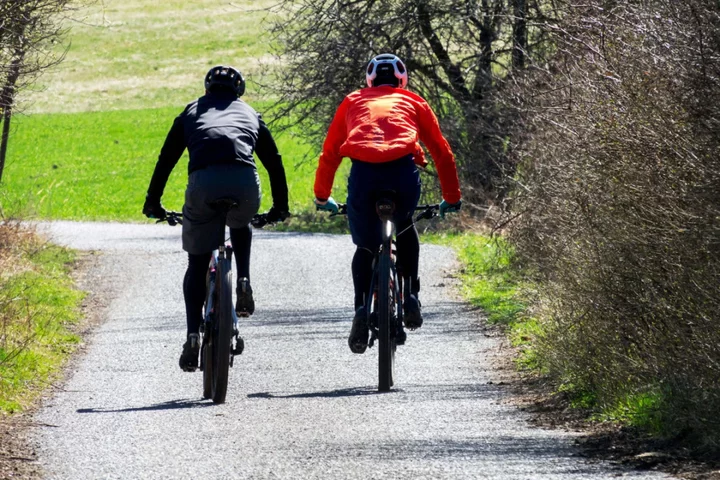
Male joggers, swimmers and cyclists could be cutting their risk of nine cancers, a new study suggests. Researchers found that men with good cardiorespiratory fitness are far less likely to go on to develop cancers of the head and neck, stomach, pancreas, liver, bowel, rectum, kidney, lung and oesophagus. Cardiorespiratory fitness refers to a person’s ability to do aerobic exercise, such as running, cycling and swimming for sustained periods, or even to climb stairs. The new study, published in the British Journal of Sports Medicine, saw experts from Sweden track just over a million men for an average of 33 years. The men involved in the study were conscripted to military service in Sweden between 1968 and 2005. At the start of their conscription the men underwent a battery of tests assessing a number of factors including their height, weight, blood pressure, muscle strength and cardiorespiratory fitness. During the follow-up period, about 84,000 developed cancer. Researchers found that, compared with those with low cardiorespiratory fitness, men with a higher level of cardiorespiratory fitness were: – 19% less likely to develop head and neck cancer.– 39% less likely to develop cancer of the oesophagus (food pipe).– 21% less likely to develop stomach cancer.– 40% less likely to have liver cancer.– 18% less likely to develop bowel cancer and 5% less likely to develop cancer of the rectum– 20% less likely to develop kidney cancer.– 42% less likely to develop lung cancer.– 12% less likely to develop pancreatic cancer. “These results could be used in public health policymaking, further strengthening the incentive for promoting interventions aimed at increasing [cardiorespiratory fitness] in youth,” the authors wrote. The researchers did find that higher cardiorespiratory fitness was linked to a slight (7%) increased risk of prostate cancer and a 31% increased risk of skin cancer. A previous study examining the same data set suggested the slight increase in risk for prostate cancer was not linked to a higher rate of aggressive prostate cancer or prostate cancer death, and could be attributable to increased screening. The authors suggested a higher skin cancer rate could be explained due to “higher UV exposure”. Read More Charity boss speaks out over ‘traumatic’ encounter with royal aide Ukraine war’s heaviest fight rages in east - follow live Why are wellbeing experts concerned about TikTok’s ‘lazy girl job’ trend? Red flags you might be missing about your child’s online safety Rumer Willis says she is ‘grateful’ to her body following birth of daughter
1970-01-01 08:00
Liverpool's plans for Mohamed Salah and Alisson amid Saudi Arabia interest
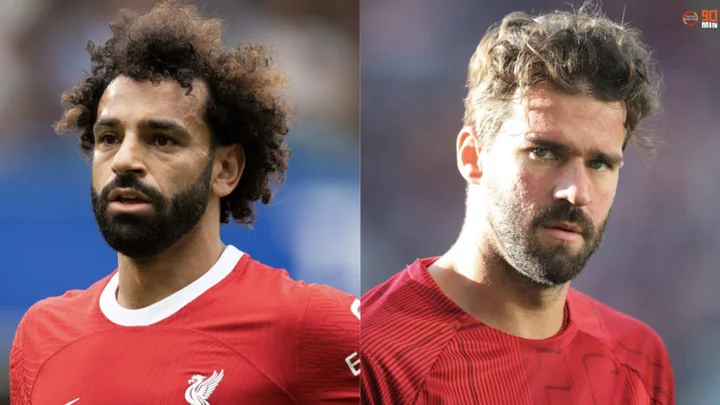
Liverpool duo Mohamed Salah and Alisson are subject to interest from clubs in the Saudi Pro League, but the Reds do not intend to sell either of them.
1970-01-01 08:00
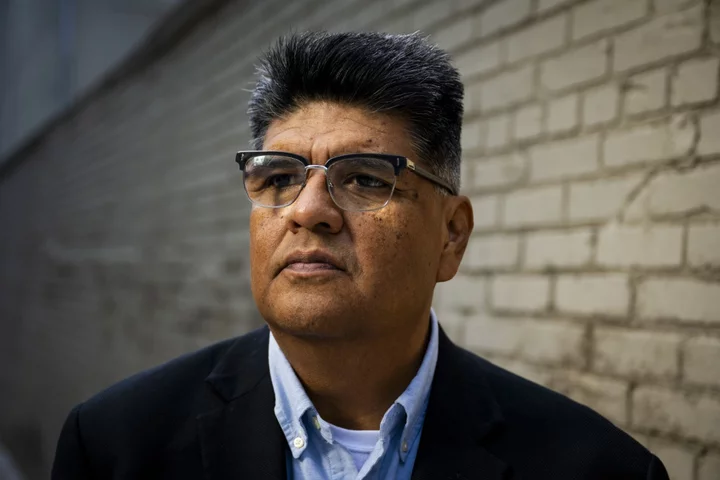
Clean Energy Could Rival Gaming as Economic Engine for US Tribes
Tribal lands have some of the best potential for solar and wind energy in the US, but it’s
1970-01-01 08:00

Why are wellbeing experts concerned about TikTok’s ‘lazy girl job’ trend?
Have you clocked TikTok’s ‘lazy girl job’ trend? It’s all about prioritising work-life balance over a job that drains you dry. A ‘lazy girl job’ is one that pays well enough for you to live comfortably – but doesn’t need to define your entire self-worth and consume too much of your time and energy. On the surface, this all sounds quite healthy, a backlash to the always-on ‘hustle culture’ that’s become ingrained in the modern world. So, why are wellbeing experts concerned? Work-life balance isn’t lazy “Turning your back on hustle culture shouldn’t be deemed ‘lazy’,” Tina Woods, CEO of Business for Health, a business-led coalition focused on improving workforce health, told PA Media. “A healthy work-life balance should be encouraged, rather than shamed, and employees shouldn’t feel guilty or ashamed for prioritising their wellbeing and mental health over their work duties and workload.” So, it’s not so much the concept behind ‘lazy girl jobs’ that’s problematic. Rather, it’s the use of the word ‘lazy’ to describe somebody who works a reasonable number of hours and values their wellbeing, and the reasons we got to this point in the first place. Have we normalised overworking? There may be times when people need or choose to hustle, or devote a larger chunk of their time towards a particular goal. That’s not something we need to sweepingly demonise necessarily. “Just as we shouldn’t shame employees who do set boundaries in the workplace and [want] a healthy work-life balance, there will be some employees who enjoy ‘hustle culture’,” Woods added. “Ultimately, employees should have the choice and flexibility to work how they choose to.” What isn’t good though is how “overworking” has become “expected” as part of modern working culture, she explained. We’re seeing a growing culture of overworking being celebrated... Tina Woods, Business for Health CEO “Hustle culture has grown in popularity since the pandemic, with side hustles on the rise amongst employees, especially Gen Z. However, the notion of pushing yourself and putting your all into your work can cause both physical and mental effects. It can lead to a toxic working pattern and trigger stress and burnout, as well as physical ailments such as disrupted sleep patterns and exhaustion,” said Woods. “More often, we’re seeing a growing culture of overworking being celebrated and, in many situations, expected. Whether this presents itself through staying at the office late, or not taking a lunch break or annual leave, working tirelessly is being rewarded by some seniors, and it shouldn’t become the norm.” What does this mean for young women? The fact the trend has been centred on ‘girls’ is another point of consideration. “Traditionally, women and especially mothers have faced stigma in the workplace. This includes stigma around personality traits, maternity leave and women’s health. As a result, many female employees will feel the need to push themselves harder or work longer hours than their male peers,” said Woods. “Women and parents are more likely to report lower mental health, putting them more at risk for mental health conditions such as anxiety and depression. This, coupled with the pressure women may already feel at work and stigma, such as the latest ‘lazy girl job’ trend, means employers need to ensure they’re creating a supportive work culture and healthy environment.” Culture shift According to Woods, there is a responsibility for employers to drive cultural shifts towards a healthier approach to work with a focus on preventative measures, rather than waiting until employees are encountering problems such as burnout or chronic stress, and then responding. “Setting boundaries that lead to a healthy work-life balance is something that should be encouraged in the workplace. It’s clear that post-pandemic, the boundaries have become blurred, with many adapting to hybrid and remote working. However, this is an issue employers need to make a priority,” said Woods. “By doing so, workplaces will see higher levels of presenteeism, alongside boosted morale, engagement and productivity. In a tight labour market, attracting and retaining employees is also vital. Wellbeing plays a big role in that. “Policies such as ‘Permission to Pause’ can be really powerful in encouraging a healthy work-life balance. They give employees autonomy and the ability to stop and take some time for their wellbeing within the working day, without feeling guilty,” she added. “Perhaps, most importantly of all, employers need to listen and respond to the needs of their own workforce and sector, recognising there is no ‘one size fits all’ solution to health and wellbeing, because everyone is uniquely human. Business leaders, HR managers and line managers can work to better understand the needs of their workforce through pulse surveys, interviews, and open forums.” Read More Charity boss speaks out over ‘traumatic’ encounter with royal aide Ukraine war’s heaviest fight rages in east - follow live Red flags you might be missing about your child’s online safety Rumer Willis says she is ‘grateful’ to her body following birth of daughter Sugary cereals and yoghurts must remove child-friendly packaging – health group
1970-01-01 08:00
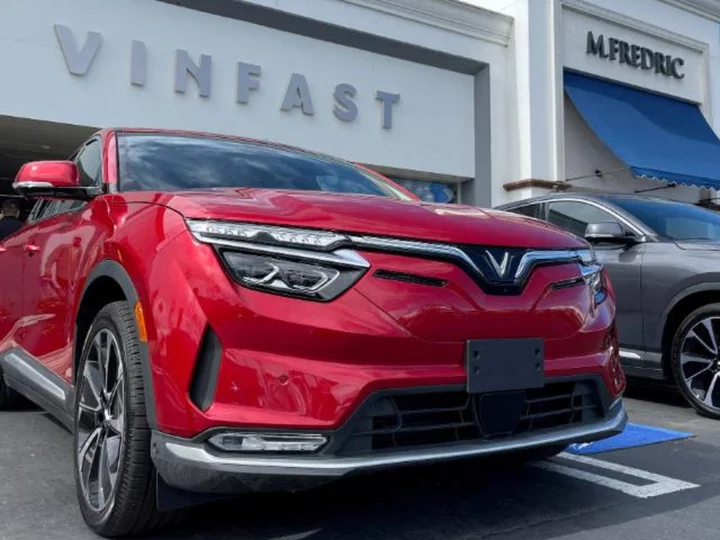
A Vietnamese electric carmaker is now worth more than Volkswagen and Ford
One of Vietnam's biggest automakers has made a big splash on its entry to Wall Street, pushing its market capitalization above that of industry giants such as Volkswagen and Ford.
1970-01-01 08:00
Ukraine Recap: Russian Drone Attack Causes Damage at Danube Port
Russia launched drone attacks in Odesa in southern Ukraine overnight in which warehouses and grain storage facilities at
1970-01-01 08:00

Blue Beetle aims to make all feel 'welcome to our Latino heritage stories', says director
The director of 'Blue Beetle' has insisted it's not just a movie for Latinos.
1970-01-01 08:00
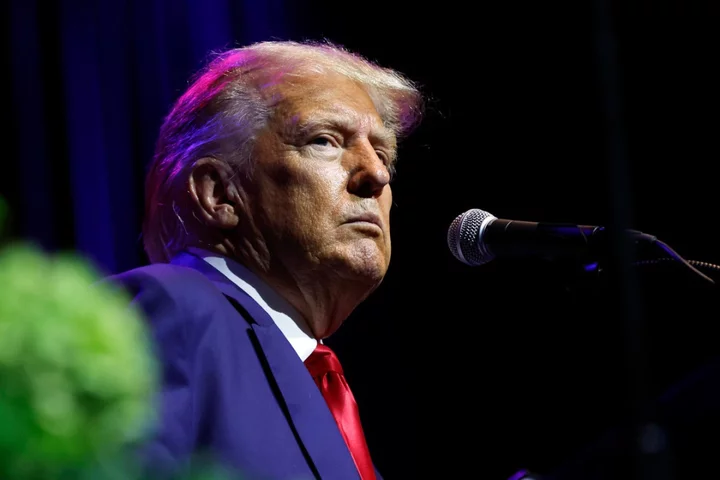
How did a Trump charge sheet get published hours before grand jury vote?
It was the URL heard around the world. On Monday, a document seemingly announcing 13 counts against Donald Trump was briefly published online on a Fulton County web system – before being deleted just as quickly – kicking off rampant speculation about the looming indictment and instantly fuelling claims of foul play from the former president. The initial charge sheet seemed to show an extensive list of criminal charges against Mr Trump stemming from the long-running Georgia investigation into his attempts to overturn the state’s 2020 election results, according to Reuters, which first reported the document. It was published hours before the grand jury eventually voted to indict the former president and a group of his closest allies for running a criminal enterprise to overturn the 2020 election in the state and keep Mr Trump in power. The document, which can still be viewed on the Reuters website, was quickly taken down. Hours later, when the indictment was handed down, it appeared under a different case code. It also included Mr Trump’s 18 co-defendants – something the original document did not. But there were some similarities between the initial posting and the final charge sheet, with both including the exact same 13 charges against the former president. In a statement to The Independent on Tuesday, the Fulton County clerk’s office explained in greater detail what prompted the confusion. It said Ché Alexander, Fulton County Clerk of Superior and Magistrate Courts, used an online document system to conduct a “trial run” of posting a large indictment to test for potential issues. “Unfortunately, the sample working document led to the docketing of what appeared to be an indictment, but which was, in fact, only a fictitious docket sheet,” they explained. “Because the media has access to documents before they are published, and while it may have appeared that something official had occurred because the document bore a case number and filing date, it did not include a signed ‘true’ or ‘no’ bill nor an official stamp with Clerk Alexander’s name, thereby making the document unofficial and a test sample only.” The office, once it was aware of the mixup, said it “immediately removed the document and issued correspondence notifying the media that a fictitious document was in circulation and that no indictment had been returned by the Grand Jury,” the statement added. However, this explanation was only available after the fact. Throughout Monday, little was known about what prompted the initial document to appear then disappear. Officials only said it was “fictitious.” The lack of information was quickly exploited by Mr Trump. In an email to his supporters asking for donations to his campaign, the former president claimed the document was another sign of the “Witch Hunt” against him and asked his supporters for more money. “This is an absolute DISGRACE. These rabid left-wing prosecutors don’t care about uncovering the truth. They don’t care about administering justice or upholding the rule of law,” he wrote to his donors in an email with the subject line “LEAKED CHARGES AGAINST ME.” “The Grand Jury testimony has not even FINISHED – but it’s clear the District Attorney has already decided how this case will end.” Online commentators also began speculating that the document was a hack or maybe a leak; after all, the unthinkable and unexpected already happened once in recent months, with the 2022 leak of a draft opinion of the Supreme Court’s eventual decision overturning Roe v Wade. Republican lawmakers meanwhile flew into a rage. "This is OUTRAGEOUS government conduct and is a very legitimate basis to deem the entire Grand Jury process tainted & corrupted,” Florida Representative Matt Gaetz wrote on social media. “MOTION TO DISMISS!!!" The overarching political narratives – judgment day for Mr Trump, or a political prosecution gone too far – had for a time outrun the verifiable facts on the ground. All the while, the actual grand jury process, the body that eventually recommended Mr Trump’s fourth major criminal indictment of the year, continued throughout Monday, extending into after-hours testimony from Georgia officials. Outside, police continued with a stepped-up security posture including K-9 dogs. Media organisations surrounded the court complex, with lines of tents and cameras that heightened the atmosphere of anticipation. When the indictment was unsealed it emerged that there were 13 felony charges against Mr Trump, including RICO, conspiracy to commit forgery, filing false documents, Solicitation of Violation of Oath by Public Officer and more. In addition, 18 Trump associates have also been indicted, including former White House chief of staff Mark Meadows and former New York City mayor Rudy Giuliani. The document drama was the latest bizarre twist in a high-profile investigation that began shortly after an infamous 2021 phone call, in which Mr Trump was recorded giving explicit requests for top state officials to “find” him enough votes to reverse Joe Biden’s victory in Georgia. Most recently, Mr Trump has falsely claimed Fulton County District Attorney Fani Willis had an affair with a rapper who was the target of a racketeering probe by her office. Read More Trump indictment live: Trump and 18 allies ordered to surrender on RICO charges for Georgia election plot What is Georgia’s RICO law? Why a law created to prosecute the Mafia is being leveled against Trump All the bombshell charges against Trump and his allies in Georgia RICO case How did a Trump charge sheet get published hours before grand jury vote? Truth Social are doxxing grand jurors who indicted Trump in Georgia Trump claims mystery press conference report clears him of Georgia election charges
1970-01-01 08:00
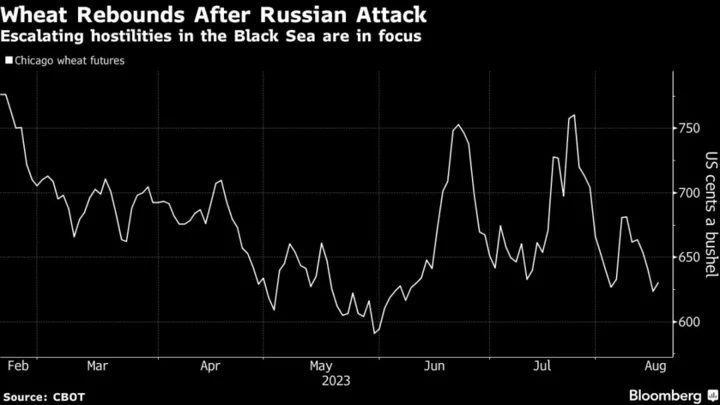
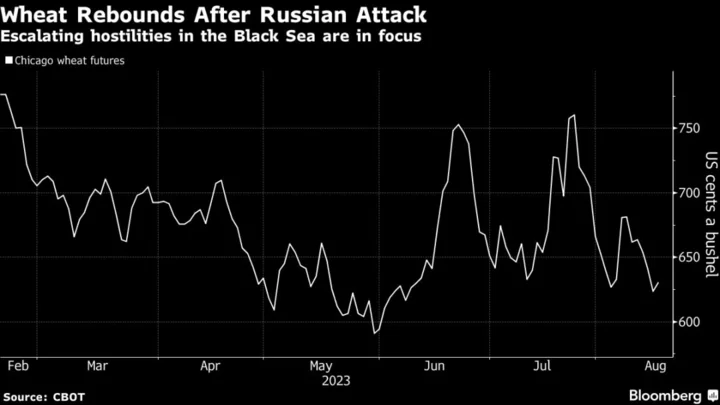
Wheat Rebounds After Russia Attacks Ukrainian Port on Danube
Wheat advanced from the lowest level since early June after Russia attacked a Ukrainian port on the Danube
1970-01-01 08:00
Who are the 30 ‘unindicted co-conspirators’ in Georgia’s massive criminal case against Trump?
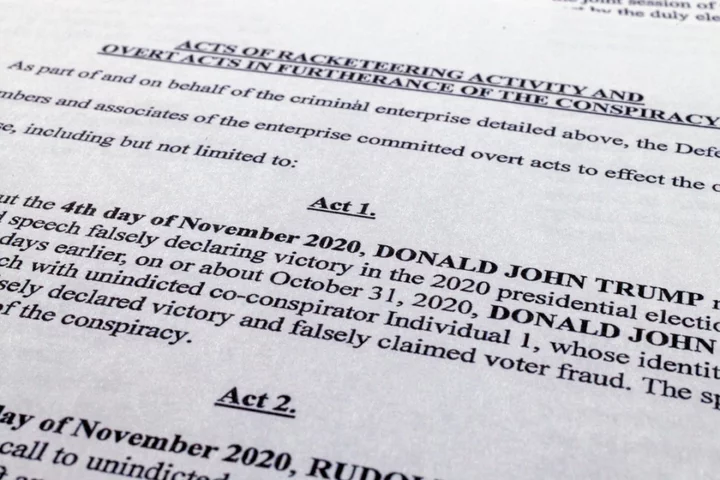
A sweeping criminal indictment targeting Donald Trump and 18 co-defendants – including members of his former legal team, White House chief of staff and government officials – also lists 30 unnamed co-conspirators who are accused of supporting the former president’s alleged criminal enterprise to overturn the 2020 presidential election in the state of Georgia. The identities of those unnamed (and, as of now, uncharged) co-conspirators were not immediately clear following a state grand jury’s indictment on 14 August. But many of the details of their alleged actions bear similarities to Trumpworld figures who were identified in previously-reported events described in the indictment. In all, the sweeping charging document outlines a vast criminal conspiracy case connecting the actions of more than 50 people accused of trying to undermine and subvert the outcome of the 2020 election, including attempts to appoint a fraudulent slate of electors loyal to the former president, a harassment campaign targeting election workers, and efforts to copy and distribute sensitive voting machine data from a state elections office. Typically, prosecutors include “unindicted co-conspirators” who are believed to have conspired with the named defendants to commit a crime or multiple crimes, as indicated in the massive RICO case against Mr Trump and his allies. But prosecutors have either provided them some immunity from prosecution in exchange for their testimony or have reached another arrangement. As with the federal indictment targeting Mr Trump’s efforts to subvert the 2020 election, many of the alleged actions outlined in the Georgia case echo those uncovered by the House select committee investigating January 6. Many of the unindicted co-conspirators in the Georgia case are known to the grand jury, the document states. Unindicted co-conspirators nine through 19 are likely the other fake electors who have not been charged in the indictment, while unindicted co-conspirators 24 through 29 are among those likely involved in a scheme to hijack voting machine software in Coffee County. Several people allegedly involved in an effort to seize voting machine software and share files with other election deniers were charged with several crimes in the indictment. One key unindicted co-conspirator – No 20 – allegedly joined a White House meeting on 18 December 2020 involving Mr Trump and attorney Rudy Giuliani and Sidney Powell to discuss “certain strategies and theories intended to influence the outcome” of the 2020 election, “including seizing voting equipment” and appointing Ms Powell “as special counsel with broad authority to investigate allegations of voter fraud in Georgia and elsewhere,” according to the indictment. The first unindicted co-conspirator listed in the indictment is accused of discussing a draft speech with Mr Trump on 31 October 2020, days before Election Day, to falsely declare victory and make baseless allegations of widespread voter fraud and manipulation. The House select committee previously reported that then-President Trump consulted with Tom Fitton of right-wing activist group Judicial Watch on that same day. An email sent to Mr Fitton and obtained by the National Archives includes Mr Trump’s false declarations of voter fraud and a statement claiming that “we had an election today and I won” – a message that January 6 committee member Zoe Lofgren said amounted to instructions for an “intentional” and “premeditated” effort to subvert the democratic process. A second unindicted co-conspirator allegedly received a voice message about voter fraud from Mr Giuliani on 3 November 2020 as well as messages about organizing a fraudulent slate of electors loyal to Mr Trump – including a key meeting on 14 December 2020, when the 16 so-called “alternate” electors convened at the state capitol. The third unindicted co-conspirator referenced in the indictment joined Mr Giuliani and former Trump campaign attorneys Jenna Ellis and Sidney Powell at a now-infamous 90-minute press briefing at the Republican National Committee headquarters bloated with false claims and wild accusations about election fraud and manipulation on 19 November 2020. Ms Powell and Ms Ellis – among members of the so-called “strike force” behind a spurious and failed legal campaign to challenge election results – are now among the 19 co-defendants in the Georgia indictment. The other three people who stood behind the lectern at that press conference were GOP operatives Joseph diGenova, Victoria Toensing and Boris Epshteyn. Robert Sinners – the head of Mr Trump’s Georgia campaign operations whose role in the alleged scheme to subvert the state’s election results – is likely the fourth unnamed and unindicted co-conspirator in the indictment. The indictment outlines several events in the days after Election Day previously uncovered by the House select committee, including correspondence surrounding the fake elector scheme, that match descriptions in the Georgia case. The indictment also notes a White House meeting on 25 November 2020, when Mark Meadows, Trump campaign attorneys and two unindicted co-conspirators met with Pennsylvania state lawmakers to discuss holding a special legislative session to contest election results. Georgia’s current Lt Governor Burt Jones, a former state senator, is likely the eighth unnamed and unindicted co-conspirator in the indictment. The indictment quotes a post from his Twitter account on 7 December, 2020, in which he calls on supporters to “sign the petition” for a special legislative session to review the outcome of the 2020 election, a message shared by Mr Giuliani. That same co-conspirator also was involved with correspondence about the fake elector plot with other co-defendants in the case, according to the indictment. Read More Trump claims mystery press conference report clears him of Georgia election charges: Live updates Mob boss law, 30 mystery co-conspirators and an unmasked plot: Key takeaways Trump’s Georgia indictment Four indictments, 91 criminal charges, up to 700 years in jail: Trump’s legal woes in numbers Meadows, Giuliani, Jenna Ellis and Sidney Powell: The 18 defendants charged with Trump in Georgia RICO case
1970-01-01 08:00
Utah man arrested for posing as doctor and selling fake Covid cure after three years on the run
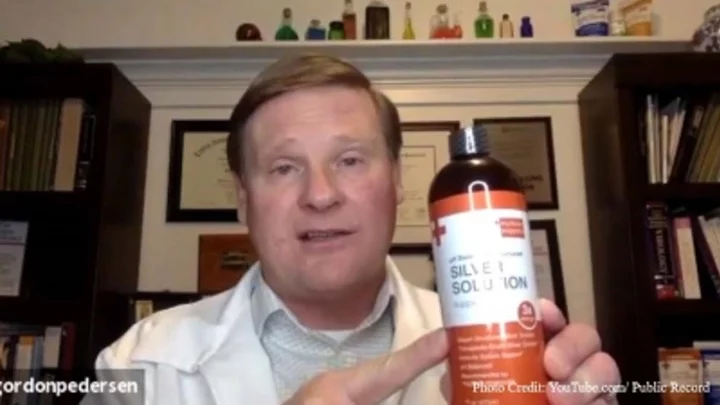
A man in Utah has been arrested after allegedly posing as a doctor and making at least $2m by selling a fake cure for Covid-19. He evaded arrest for almost three years. Gordon Hunter Pedersen, 63, who lives in Cedar Hills, Utah, was arrested last week on Wednesday after he was charged in 2020 with seven felonies, including mail and wire fraud, selling of misbranded drugs with intent to defraud and mislead, the US attorney’s office in the state said on Monday. He allegedly sold a "structural alkaline silver" online and claimed that the drug "resonates or vibrates at a frequency that destroys the membrane of the (COVID-19) virus, making the virus incapable" of infecting humans, court documents said. He posed to his customers as an "anti-ageing medical doctor" with PhD degrees in immunology and naturopathic medicine, it said. A warrant for Mr Padersen was issued in August 2020 when he failed to appear in a court for the indictment, leading to a three-year manhunt. The arrest in the case comes a month after he was spotted on surveillance camera footage at a gas station around 40 miles south of Salt Lake City. Mr Padersen promoted his fake cure through YouTube videos, Facebook posts, podcasts and websites, wearing a white lab coat with “Dr” monogrammed on it. “There is no drug that man has made that can do the same,” he said in his podcast interview in March 2020. “If you have the silver in you, when the virus arrives, the silver can isolate and eliminate the virus,” he added. He maintained that his silver product can destroy Covid-19 virus in an interview with federal agents but acknowledged that his credentials were exaggerated. He had been promoting a cure for diseases such as arthritis, diabetes and pneumonia, since 2014. But he substantially profited between January and April 2020 when he made approximately $2m in sales from the company he co-owned, My Doctor Suggests, according to court records. The US District Court for Utah filed a restraining order against Mr Pedersen to stop him from selling the products by labelling them cure-alls, the Justice Department said at that time. Following three years of evading authorities, Mr Pedersen was identified by a Food and Drug Administration special agent on 5 July, while he was in a vehicle registered under his wife’s name, Julia Currey, according to prosecutors. The agent tracked the vehicle to a gas station, where Mr Pedersen was captured on a surveillance camera, as stated by prosecutors. His indictment was part of a task force created by attorney general Merric Garland in 2021 to prosecute businesses and entities that tried to “profit unlawfully from the pandemic. His lawyer is yet to comment on the development. Read More Marjorie Taylor Greene addresses online conspiracy theory linking her to Jan 6 pipe bomber Trump claims mystery press conference report clears him of Georgia election charges – live updates Trump shares moody new video with poem voiceover about ‘suffering to win’
1970-01-01 08:00