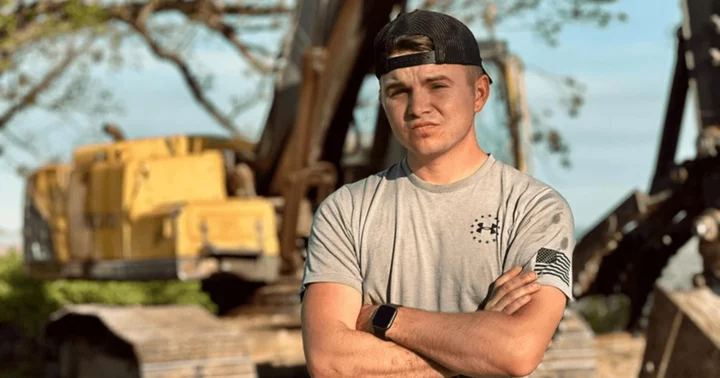
What does James Duggar do for a living? 'Counting On' alum visits Australia as Internet wonders how he can afford trip
'Counting On' alum James Duggar has recently been vacationing in Grassmere, Victoria
1970-01-01 08:00
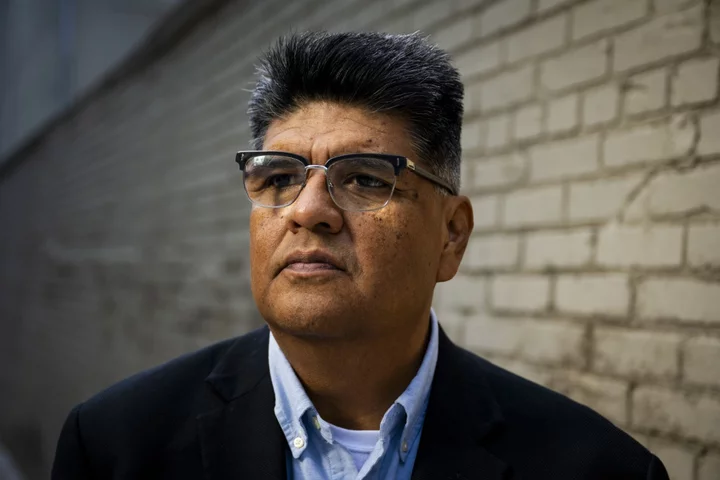
Clean Energy Could Rival Gaming as Economic Engine for US Tribes
Tribal lands have some of the best potential for solar and wind energy in the US, but it’s
1970-01-01 08:00

Why are wellbeing experts concerned about TikTok’s ‘lazy girl job’ trend?
Have you clocked TikTok’s ‘lazy girl job’ trend? It’s all about prioritising work-life balance over a job that drains you dry. A ‘lazy girl job’ is one that pays well enough for you to live comfortably – but doesn’t need to define your entire self-worth and consume too much of your time and energy. On the surface, this all sounds quite healthy, a backlash to the always-on ‘hustle culture’ that’s become ingrained in the modern world. So, why are wellbeing experts concerned? Work-life balance isn’t lazy “Turning your back on hustle culture shouldn’t be deemed ‘lazy’,” Tina Woods, CEO of Business for Health, a business-led coalition focused on improving workforce health, told PA Media. “A healthy work-life balance should be encouraged, rather than shamed, and employees shouldn’t feel guilty or ashamed for prioritising their wellbeing and mental health over their work duties and workload.” So, it’s not so much the concept behind ‘lazy girl jobs’ that’s problematic. Rather, it’s the use of the word ‘lazy’ to describe somebody who works a reasonable number of hours and values their wellbeing, and the reasons we got to this point in the first place. Have we normalised overworking? There may be times when people need or choose to hustle, or devote a larger chunk of their time towards a particular goal. That’s not something we need to sweepingly demonise necessarily. “Just as we shouldn’t shame employees who do set boundaries in the workplace and [want] a healthy work-life balance, there will be some employees who enjoy ‘hustle culture’,” Woods added. “Ultimately, employees should have the choice and flexibility to work how they choose to.” What isn’t good though is how “overworking” has become “expected” as part of modern working culture, she explained. We’re seeing a growing culture of overworking being celebrated... Tina Woods, Business for Health CEO “Hustle culture has grown in popularity since the pandemic, with side hustles on the rise amongst employees, especially Gen Z. However, the notion of pushing yourself and putting your all into your work can cause both physical and mental effects. It can lead to a toxic working pattern and trigger stress and burnout, as well as physical ailments such as disrupted sleep patterns and exhaustion,” said Woods. “More often, we’re seeing a growing culture of overworking being celebrated and, in many situations, expected. Whether this presents itself through staying at the office late, or not taking a lunch break or annual leave, working tirelessly is being rewarded by some seniors, and it shouldn’t become the norm.” What does this mean for young women? The fact the trend has been centred on ‘girls’ is another point of consideration. “Traditionally, women and especially mothers have faced stigma in the workplace. This includes stigma around personality traits, maternity leave and women’s health. As a result, many female employees will feel the need to push themselves harder or work longer hours than their male peers,” said Woods. “Women and parents are more likely to report lower mental health, putting them more at risk for mental health conditions such as anxiety and depression. This, coupled with the pressure women may already feel at work and stigma, such as the latest ‘lazy girl job’ trend, means employers need to ensure they’re creating a supportive work culture and healthy environment.” Culture shift According to Woods, there is a responsibility for employers to drive cultural shifts towards a healthier approach to work with a focus on preventative measures, rather than waiting until employees are encountering problems such as burnout or chronic stress, and then responding. “Setting boundaries that lead to a healthy work-life balance is something that should be encouraged in the workplace. It’s clear that post-pandemic, the boundaries have become blurred, with many adapting to hybrid and remote working. However, this is an issue employers need to make a priority,” said Woods. “By doing so, workplaces will see higher levels of presenteeism, alongside boosted morale, engagement and productivity. In a tight labour market, attracting and retaining employees is also vital. Wellbeing plays a big role in that. “Policies such as ‘Permission to Pause’ can be really powerful in encouraging a healthy work-life balance. They give employees autonomy and the ability to stop and take some time for their wellbeing within the working day, without feeling guilty,” she added. “Perhaps, most importantly of all, employers need to listen and respond to the needs of their own workforce and sector, recognising there is no ‘one size fits all’ solution to health and wellbeing, because everyone is uniquely human. Business leaders, HR managers and line managers can work to better understand the needs of their workforce through pulse surveys, interviews, and open forums.” Read More Charity boss speaks out over ‘traumatic’ encounter with royal aide Ukraine war’s heaviest fight rages in east - follow live Red flags you might be missing about your child’s online safety Rumer Willis says she is ‘grateful’ to her body following birth of daughter Sugary cereals and yoghurts must remove child-friendly packaging – health group
1970-01-01 08:00
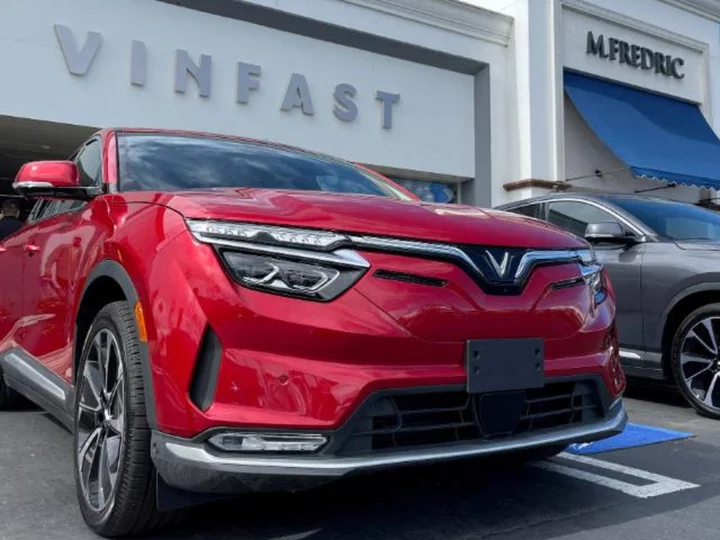
A Vietnamese electric carmaker is now worth more than Volkswagen and Ford
One of Vietnam's biggest automakers has made a big splash on its entry to Wall Street, pushing its market capitalization above that of industry giants such as Volkswagen and Ford.
1970-01-01 08:00

Tourist Arrivals to Japan Recover to 78% of Pre-Pandemic Levels
The number of foreign visitors to Japan topped 2 million for a second consecutive month in July, recovering
1970-01-01 08:00
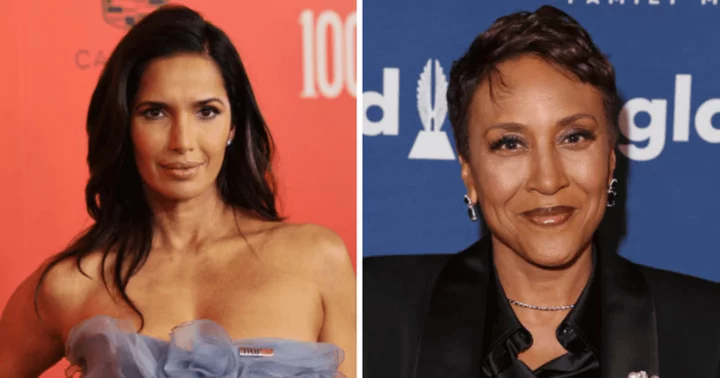
'GMA' host Robin Roberts 'can't even look at' Padma Lakshmi after learning about Emmy nominated star's decision to quit 'Top Chef'
The best-selling author and award-winning television host Padma Lakshmi says she will not miss the 'copious amount of food' after leaving 'Top Chef'
1970-01-01 08:00
Israeli tech startups flock to US amid uncertainty at home
By Steven Scheer and Emily Rose JERUSALEM A growing number of Israel's tech startups are incorporating in the
1970-01-01 08:00
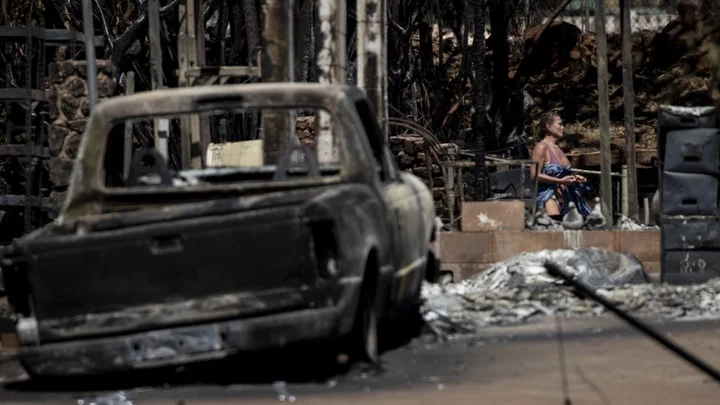
Hawaii fires: First victims named as death toll reaches 106
They have been named as Lahaina residents Robert Dyckman and Buddy Jantoc, both in their seventies.
1970-01-01 08:00
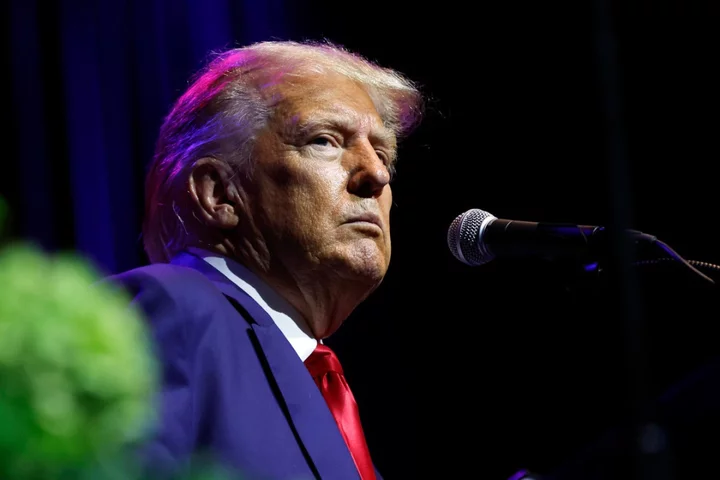
How did a Trump charge sheet get published hours before grand jury vote?
It was the URL heard around the world. On Monday, a document seemingly announcing 13 counts against Donald Trump was briefly published online on a Fulton County web system – before being deleted just as quickly – kicking off rampant speculation about the looming indictment and instantly fuelling claims of foul play from the former president. The initial charge sheet seemed to show an extensive list of criminal charges against Mr Trump stemming from the long-running Georgia investigation into his attempts to overturn the state’s 2020 election results, according to Reuters, which first reported the document. It was published hours before the grand jury eventually voted to indict the former president and a group of his closest allies for running a criminal enterprise to overturn the 2020 election in the state and keep Mr Trump in power. The document, which can still be viewed on the Reuters website, was quickly taken down. Hours later, when the indictment was handed down, it appeared under a different case code. It also included Mr Trump’s 18 co-defendants – something the original document did not. But there were some similarities between the initial posting and the final charge sheet, with both including the exact same 13 charges against the former president. In a statement to The Independent on Tuesday, the Fulton County clerk’s office explained in greater detail what prompted the confusion. It said Ché Alexander, Fulton County Clerk of Superior and Magistrate Courts, used an online document system to conduct a “trial run” of posting a large indictment to test for potential issues. “Unfortunately, the sample working document led to the docketing of what appeared to be an indictment, but which was, in fact, only a fictitious docket sheet,” they explained. “Because the media has access to documents before they are published, and while it may have appeared that something official had occurred because the document bore a case number and filing date, it did not include a signed ‘true’ or ‘no’ bill nor an official stamp with Clerk Alexander’s name, thereby making the document unofficial and a test sample only.” The office, once it was aware of the mixup, said it “immediately removed the document and issued correspondence notifying the media that a fictitious document was in circulation and that no indictment had been returned by the Grand Jury,” the statement added. However, this explanation was only available after the fact. Throughout Monday, little was known about what prompted the initial document to appear then disappear. Officials only said it was “fictitious.” The lack of information was quickly exploited by Mr Trump. In an email to his supporters asking for donations to his campaign, the former president claimed the document was another sign of the “Witch Hunt” against him and asked his supporters for more money. “This is an absolute DISGRACE. These rabid left-wing prosecutors don’t care about uncovering the truth. They don’t care about administering justice or upholding the rule of law,” he wrote to his donors in an email with the subject line “LEAKED CHARGES AGAINST ME.” “The Grand Jury testimony has not even FINISHED – but it’s clear the District Attorney has already decided how this case will end.” Online commentators also began speculating that the document was a hack or maybe a leak; after all, the unthinkable and unexpected already happened once in recent months, with the 2022 leak of a draft opinion of the Supreme Court’s eventual decision overturning Roe v Wade. Republican lawmakers meanwhile flew into a rage. "This is OUTRAGEOUS government conduct and is a very legitimate basis to deem the entire Grand Jury process tainted & corrupted,” Florida Representative Matt Gaetz wrote on social media. “MOTION TO DISMISS!!!" The overarching political narratives – judgment day for Mr Trump, or a political prosecution gone too far – had for a time outrun the verifiable facts on the ground. All the while, the actual grand jury process, the body that eventually recommended Mr Trump’s fourth major criminal indictment of the year, continued throughout Monday, extending into after-hours testimony from Georgia officials. Outside, police continued with a stepped-up security posture including K-9 dogs. Media organisations surrounded the court complex, with lines of tents and cameras that heightened the atmosphere of anticipation. When the indictment was unsealed it emerged that there were 13 felony charges against Mr Trump, including RICO, conspiracy to commit forgery, filing false documents, Solicitation of Violation of Oath by Public Officer and more. In addition, 18 Trump associates have also been indicted, including former White House chief of staff Mark Meadows and former New York City mayor Rudy Giuliani. The document drama was the latest bizarre twist in a high-profile investigation that began shortly after an infamous 2021 phone call, in which Mr Trump was recorded giving explicit requests for top state officials to “find” him enough votes to reverse Joe Biden’s victory in Georgia. Most recently, Mr Trump has falsely claimed Fulton County District Attorney Fani Willis had an affair with a rapper who was the target of a racketeering probe by her office. Read More Trump indictment live: Trump and 18 allies ordered to surrender on RICO charges for Georgia election plot What is Georgia’s RICO law? Why a law created to prosecute the Mafia is being leveled against Trump All the bombshell charges against Trump and his allies in Georgia RICO case How did a Trump charge sheet get published hours before grand jury vote? Truth Social are doxxing grand jurors who indicted Trump in Georgia Trump claims mystery press conference report clears him of Georgia election charges
1970-01-01 08:00
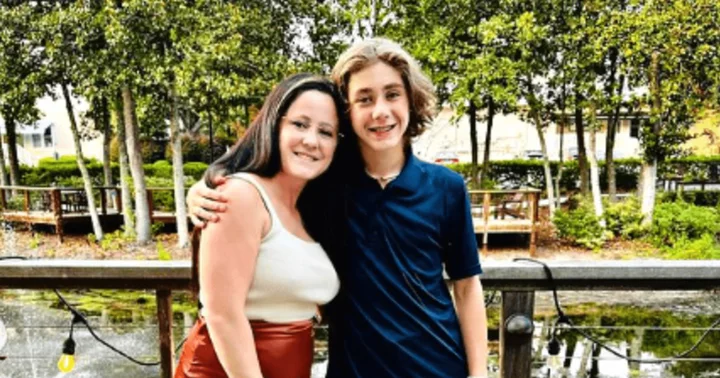
Has Jace Evans been found? 'Teen Mom' star Jenelle Evans’ son, 14, ran away from home after mom confiscated phone
A runaway alert concerning Jace Evans was issued by the Brunswick County Sheriff’s Department on Tuesday, August 15
1970-01-01 08:00
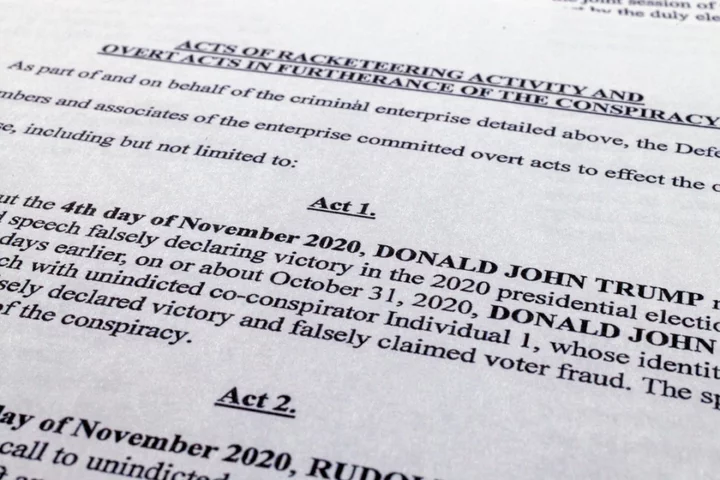
Who are the 30 ‘unindicted co-conspirators’ in Georgia’s massive criminal case against Trump?
A sweeping criminal indictment targeting Donald Trump and 18 co-defendants – including members of his former legal team, White House chief of staff and government officials – also lists 30 unnamed co-conspirators who are accused of supporting the former president’s alleged criminal enterprise to overturn the 2020 presidential election in the state of Georgia. The identities of those unnamed (and, as of now, uncharged) co-conspirators were not immediately clear following a state grand jury’s indictment on 14 August. But many of the details of their alleged actions bear similarities to Trumpworld figures who were identified in previously-reported events described in the indictment. In all, the sweeping charging document outlines a vast criminal conspiracy case connecting the actions of more than 50 people accused of trying to undermine and subvert the outcome of the 2020 election, including attempts to appoint a fraudulent slate of electors loyal to the former president, a harassment campaign targeting election workers, and efforts to copy and distribute sensitive voting machine data from a state elections office. Typically, prosecutors include “unindicted co-conspirators” who are believed to have conspired with the named defendants to commit a crime or multiple crimes, as indicated in the massive RICO case against Mr Trump and his allies. But prosecutors have either provided them some immunity from prosecution in exchange for their testimony or have reached another arrangement. As with the federal indictment targeting Mr Trump’s efforts to subvert the 2020 election, many of the alleged actions outlined in the Georgia case echo those uncovered by the House select committee investigating January 6. Many of the unindicted co-conspirators in the Georgia case are known to the grand jury, the document states. Unindicted co-conspirators nine through 19 are likely the other fake electors who have not been charged in the indictment, while unindicted co-conspirators 24 through 29 are among those likely involved in a scheme to hijack voting machine software in Coffee County. Several people allegedly involved in an effort to seize voting machine software and share files with other election deniers were charged with several crimes in the indictment. One key unindicted co-conspirator – No 20 – allegedly joined a White House meeting on 18 December 2020 involving Mr Trump and attorney Rudy Giuliani and Sidney Powell to discuss “certain strategies and theories intended to influence the outcome” of the 2020 election, “including seizing voting equipment” and appointing Ms Powell “as special counsel with broad authority to investigate allegations of voter fraud in Georgia and elsewhere,” according to the indictment. The first unindicted co-conspirator listed in the indictment is accused of discussing a draft speech with Mr Trump on 31 October 2020, days before Election Day, to falsely declare victory and make baseless allegations of widespread voter fraud and manipulation. The House select committee previously reported that then-President Trump consulted with Tom Fitton of right-wing activist group Judicial Watch on that same day. An email sent to Mr Fitton and obtained by the National Archives includes Mr Trump’s false declarations of voter fraud and a statement claiming that “we had an election today and I won” – a message that January 6 committee member Zoe Lofgren said amounted to instructions for an “intentional” and “premeditated” effort to subvert the democratic process. A second unindicted co-conspirator allegedly received a voice message about voter fraud from Mr Giuliani on 3 November 2020 as well as messages about organizing a fraudulent slate of electors loyal to Mr Trump – including a key meeting on 14 December 2020, when the 16 so-called “alternate” electors convened at the state capitol. The third unindicted co-conspirator referenced in the indictment joined Mr Giuliani and former Trump campaign attorneys Jenna Ellis and Sidney Powell at a now-infamous 90-minute press briefing at the Republican National Committee headquarters bloated with false claims and wild accusations about election fraud and manipulation on 19 November 2020. Ms Powell and Ms Ellis – among members of the so-called “strike force” behind a spurious and failed legal campaign to challenge election results – are now among the 19 co-defendants in the Georgia indictment. The other three people who stood behind the lectern at that press conference were GOP operatives Joseph diGenova, Victoria Toensing and Boris Epshteyn. Robert Sinners – the head of Mr Trump’s Georgia campaign operations whose role in the alleged scheme to subvert the state’s election results – is likely the fourth unnamed and unindicted co-conspirator in the indictment. The indictment outlines several events in the days after Election Day previously uncovered by the House select committee, including correspondence surrounding the fake elector scheme, that match descriptions in the Georgia case. The indictment also notes a White House meeting on 25 November 2020, when Mark Meadows, Trump campaign attorneys and two unindicted co-conspirators met with Pennsylvania state lawmakers to discuss holding a special legislative session to contest election results. Georgia’s current Lt Governor Burt Jones, a former state senator, is likely the eighth unnamed and unindicted co-conspirator in the indictment. The indictment quotes a post from his Twitter account on 7 December, 2020, in which he calls on supporters to “sign the petition” for a special legislative session to review the outcome of the 2020 election, a message shared by Mr Giuliani. That same co-conspirator also was involved with correspondence about the fake elector plot with other co-defendants in the case, according to the indictment. Read More Trump claims mystery press conference report clears him of Georgia election charges: Live updates Mob boss law, 30 mystery co-conspirators and an unmasked plot: Key takeaways Trump’s Georgia indictment Four indictments, 91 criminal charges, up to 700 years in jail: Trump’s legal woes in numbers Meadows, Giuliani, Jenna Ellis and Sidney Powell: The 18 defendants charged with Trump in Georgia RICO case
1970-01-01 08:00

Indonesia Delays Investment Plan for $20 Billion Climate Deal
Indonesia has delayed the launch of a much-anticipated investment plan to support a landmark $20 billion climate financing
1970-01-01 08:00